
Companion Plants
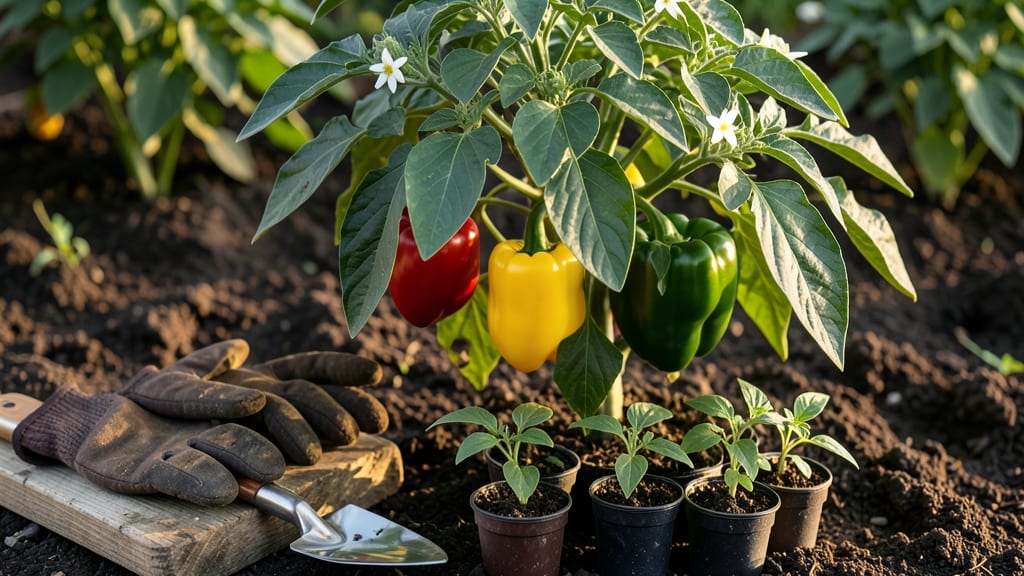
Timing your 🌶️ bell pepper planting in Arizona is the difference between a bountiful harvest and a sad, wilted garden. Skip the guesswork—plant too early, and frost will nip your seedlings; too late, and the scorching summer sun will turn your peppers into shriveled husks.
The secret lies in knowing exactly when to start seeds indoors or transplant seedlings, depending on your microclimate, whether you're in the low desert heat of Phoenix or the cooler high desert of Flagstaff.
Most Arizona gardeners swear by two key windows: late January to early March for spring planting, or September to October for a fall harvest. But here’s the catch—soil temperature matters more than the calendar.
Your 🌶️ bell peppers need the ground to be at least 65°F before they’ll thrive, and that’s when the real magic happens.
I’ll break down the exact steps to prep your beds, choose the right heat-tolerant varieties, and keep your peppers happy through Arizona’s infamous monsoon season and brutal summer heat.
You might think Arizona’s long growing season means you can plant anytime, but that’s a recipe for disappointment. The wrong timing leads to bolting peppers (yes, they’ll flower too soon) or sunscald from relentless sun. What if I told you there’s a way to stretch your harvest beyond summer?
We’ll cover shade tricks, mulching hacks, and companion plants that protect your peppers from pests and heat stress—so you can enjoy fresh, homegrown 🌶️ bell peppers from spring through fall.
Ready to ditch the trial-and-error? I’ll walk you through the step-by-step schedule for your specific Arizona zone, plus the top 5 heat-proof varieties that actually survive our climate. No more wasted seeds or melted peppers—just a garden bursting with flavor.
Let’s get your planting calendar locked in for a harvest that’ll make your neighbors green with envy.
Optimal planting windows for Arizona bell peppers by region
Arizona’s diverse microclimates mean Phoenix and Yuma can plant bell peppers months earlier than Flagstaff or Tucson’s high desert areas. The key is aligning your schedule with soil temperatures (65°F+) and frost-free periods.
In low desert regions, start as early as February, while high elevations wait until May to avoid late frosts. Miss these windows, and you risk premature flowering from heat stress or stunted growth from cold snaps.
Each Arizona region has unique USDA zone adjustments and heat tolerance thresholds. For example, Yuma’s Zone 9b allows year-round planting with shade cloth, while Flagstaff’s Zone 7a demands fall planting for a spring harvest.
Below, I’ve broken down the exact planting windows, soil prep timing, and heat management strategies tailored to your location to avoid common pitfalls like sunscald or blossom end rot.
🌱 Pro Tip: Use a soil thermometer to confirm temperatures before planting—bell peppers won’t germinate below 60°F, and roots struggle in 100°F+ soil. In Phoenix, this often means waiting until mid-March for spring planting, while Tucson’s slightly cooler nights allow late February starts.
In Phoenix, where spring temperatures can spike to 100°F by May, I recommend starting seeds indoors in January and transplanting hardened-off seedlings by mid-March. This gives peppers time to establish roots before the monsoon season arrives.
For Tucson’s high desert areas, wait until April 15 to plant outdoors—earlier starts risk cold soil and slow germination.
For Yuma, the early bird gets the pepper! Plant January 15 for a spring harvest by March, then repeat in July for fall peppers. The secret? Drip irrigation and shade cloth during peak afternoon heat (2 PM–5 PM).
I’ve grown NuMex Sandia successfully here with 50% shade during June–August, preventing sunscald on exposed fruits.
Flagstaff gardeners face the biggest challenge: short growing seasons and late frosts. Plant after May 1 for a summer harvest before the first frost hits in October. Use black plastic mulch to raise soil temps by 5–10°F and extend the season. I’ve had success with ‘Carmen’ peppers here, which tolerate cooler nights better than other varieties.
Regardless of your region, avoid planting during monsoon season (July–August). Heavy rains can drown roots and spread fungal diseases like Phytophthora. Instead, focus on soil prep—amend beds with compost and well-rotted manure in February for spring planting or July for fall crops. This ensures <
Best heat-tolerant bell pepper varieties for Arizona gardens
Arizona’s 110°F+ summers can turn bell peppers into crispy snacks if you’re not careful. But with the right heat-tolerant varieties, you can enjoy a bountiful harvest even when temps soar.
These five top performers are bred to handle Arizona’s climate while resisting common pests like aphids and spider mites. Let’s dive into their unique traits and why they’re perfect for your garden.
First on the list is ‘NuMex Sandia’, a New Mexico-chile hybrid that thrives in extreme heat. It matures in just 60 days and produces sweet, blocky peppers that turn from green to red. This variety is also disease-resistant, making it ideal for Arizona’s monsoon season.
Pair it with ‘Carmen’, another fast-maturing option (ready in 65 days) that delivers bold, sweet flavors even in scorching conditions.
| Variety | Days to Maturity | Color Progression | Pest Resistance | Best For |
|---|---|---|---|---|
| NuMex Sandia | 60 | Green → Red | Aphids, Spider Mites | Early Harvests |
| Carmen | 65 | Green → Red/Yellow | Blossom End Rot | Sweet Flavor |
| Jupiter | 70 | Green → Purple | Heat Stress | Large Fruits |
| Aristotle | 65 | Green → Yellow/Red | Viruses | Drought Tolerance |
| Big Jim | 75 | Green → Red | Fungal Diseases | Giant Peppers |
‘Jupiter’ is a standout for its vibrant purple peppers that mature in 70 days. This variety is heat-stress resistant and produces large, blocky fruits that are perfect for stuffing or grilling. If you’re after drought tolerance, ‘Aristotle’ is your best bet—it matures in 65 days and resists viruses and pests while delivering sweet, yellow-red peppers.
For those who love giant bell peppers, ‘Big Jim’ is a 75-day variety that produces huge, glossy red peppers. It’s also fungal-disease resistant, making it ideal for Arizona’s humid monsoon season.
All five varieties thrive in full sun and well-draining soil, but mulching is key to retain moisture during 100°F+ days.
When selecting seeds, look for open-pollinated varieties to ensure consistent flavor and size year after year. Start seeds indoors 8-10 weeks before your last frost date (or direct-sow in late March for low desert areas).
Transplant seedlings after soil temps hit 65°F and space them 18 inches apart to allow airflow and reduce pest pressure.
With these heat-tolerant varieties, you’ll enjoy a longer harvest season and fewer struggles with Arizona’s extreme conditions. Happy planting—and may your peppers be plentiful and sweet! 🌶️🌡️