
Plants
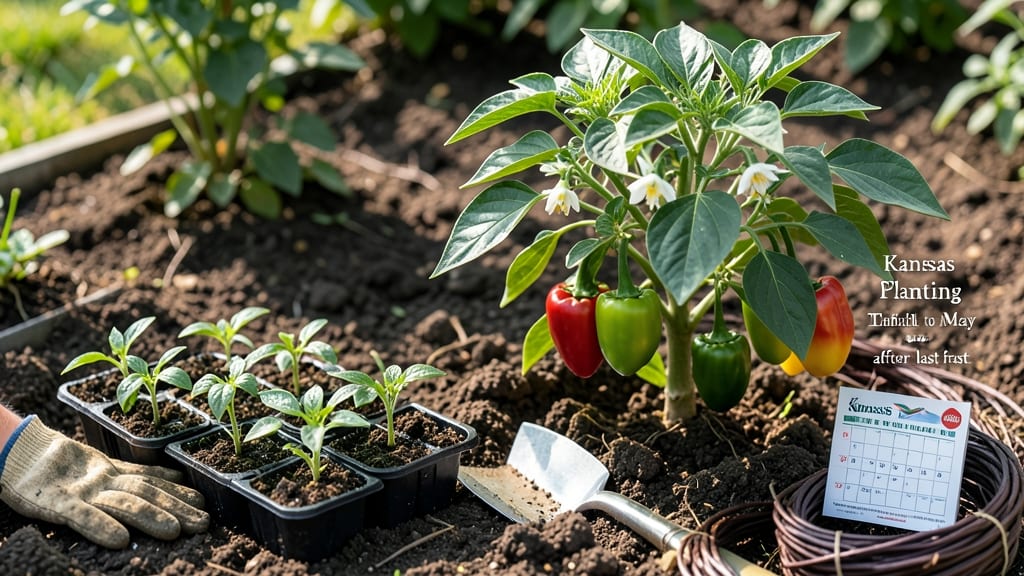
Planting your 🌶️ bell peppers in Kansas at the wrong time means frost-kissed dreams and wasted effort—but get the timing right, and you’ll be feasting on homegrown peppers from July through October.
The key isn’t just waiting for April 15; it’s understanding how USDA Zone 6a’s unpredictable spring shifts your window between late April and mid-May.
Most gardeners in Kansas make one of two mistakes: planting too early and losing seedlings to late frosts, or waiting too long and cutting their harvest short. The solution? Start seeds indoors 8-10 weeks before your last frost date—or transplant hardened-off seedlings once soil hits a steady 60°F.
What sets Kansas apart from other regions is its microclimates—some areas warm up faster than others, and a neighbor’s perfect harvest might be your disaster. We’ll break down how to read your local frost data, adjust for heat waves, and even extend your season with row covers.
By the end, you’ll know not just when to plant, but why—so you can grow peppers that thrive from July’s first harvest straight through to October’s last. Let’s make this your most productive pepper season yet.
Kansas USDA zone planting dates for bell peppers by last frost risk
Bell peppers thrive in Kansas' warm summers, but getting them in the ground at the right time is critical for a bountiful harvest. The USDA zones 5-7 across Kansas create distinct planting windows, with soil temperature and frost risk dictating your schedule.
Plant too early, and a late frost will kill tender seedlings; too late, and your harvest shrinks before fall's first chill. Let's break down the perfect timing for each zone.
For Kansas gardeners, the average last frost dates range from early April in southern zones to mid-May in northern areas. However, soil temperature matters more than air temperature—bell peppers need soil to warm to at least 60°F (15°C) before transplanting.
In colder zones, you may need to wait weeks after the last frost before planting, while warmer southern zones can start earlier.
Here’s your zone-by-zone planting timeline, including direct sowing and transplanting windows, along with soil temperature thresholds to ensure success:
| USDA Zone | Last Frost Date | Soil Temp Threshold | Transplant Window | Direct Sow Window |
|---|---|---|---|---|
| Zone 5 (Northern KS) | May 10 | 60°F+ | May 20 - June 10 | June 1 - June 15 |
| Zone 6 (Central KS) | April 25 | 60°F+ | May 1 - May 20 | May 15 - June 1 |
| Zone 7 (Southern KS) | April 10 | 60°F+ | April 20 - May 10 | April 25 - May 10 |
In Zone 5, where late frosts are common, wait until mid-May to transplant seedlings, even if the air feels warm. Use a soil thermometer to confirm temperatures—bell peppers won’t grow well in cold soil.
For direct sowing, push your timing to early June to avoid frost damage to young plants.
Gardeners in Zone 6 have a wider window but should still prioritize soil warmth. Start transplants by early May and sow seeds directly by mid-May.
If you’re using row covers, you can plant slightly earlier (around April 25) to jumpstart growth, but remove covers once soil warms to protect plants from overheating.
Zone 7 gardeners enjoy the earliest planting dates, but don’t rush—bell peppers grow best when soil is consistently warm. Aim for late April for transplants and late April to early May for direct sowing. If you experience an unexpected late frost, cover seedlings with frost cloth until temperatures stabilize.
No matter your zone, succession planting is key to a continuous harvest. After your first planting, sow a second batch 6-8 weeks later to replace any peppers that mature early. This works especially well in Zone 7, where the growing season extends into October.
Just be sure to use heat-tolerant varieties like 'Carmen' or 'Aristotle' to handle Kansas’ summer heat.
Pro tip: Monitor your local microclimate—south-facing beds warm up faster than north-facing ones. If your garden sits in a frost pocket, err on the side of planting 2 weeks later than the average dates above.
And always keep an eye on the 10-day forecast for late frosts, even in early summer.
With these zone-specific guidelines, you’ll avoid the most common mistakes Kansas gardeners make—like planting too early or ignoring soil temperature—and enjoy a long, productive harvest of sweet, juicy bell peppers all summer long. 🌶️
How to extend your Kansas bell pepper growing season for bigger harvests
Kansas gardeners face a short growing window for bell peppers, but with smart strategies, you can push harvests earlier or extend them later. The key lies in microclimate adjustments and protective tools that shield peppers from late spring frosts or early fall chills.
I’ve tested these methods in my Zone 6a garden—here’s what works best for bigger, longer harvests.
Start by choosing heat-tolerant varieties like 'Carmen' or 'Aristotle', which thrive in Kansas’ 90°F+ summers without bolting. These varieties also handle cooler evenings better than standard types. Pair them with season-extending tools like row covers or cold frames to maximize your 165 frost-free days.
Extending Bell Pepper Season in Kansas
EARLY PLANTING (Pre-Frost Protection)
- ✅ Pros: Earlier harvests, longer season
- ✅ Pros: Cold frames add 4-6°F warmth
- ✅ Pros: Row covers protect from late frosts (28°F)
LATE PLANTING (Heat Tolerance)
- ✅ Pros: Avoids peak summer heat stress
- ✅ Pros: Succession planting extends harvests into fall
- ✅ Pros: Drought-resistant varieties save water
EARLY PLANTING CONS
- ❌ Cons: Slow early growth in cool soil
- ❌ Cons: Requires daily frost checks
- ❌ Cons: Higher upfront cost for cold frames
LATE PLANTING CONS
- ❌ Cons: Shorter harvest window before frost
- ❌ Cons: Needs shade cloth in peak summer
- ❌ Cons: Limited variety choices for late starts
Note: Combine methods for best results—e.g., use row covers for early starts and succession plant heat-tolerant varieties for late harvests.
For early planting, I set up a low-tunnel cold frame in late March, planting transplants under 30°F protection. The frame raises soil temps by 5-8°F, letting peppers grow 2-3 weeks earlier than outdoor plantings. Remove covers when temps stay above 50°F to prevent overheating.
To extend harvests into fall, try succession planting every 2-3 weeks from June to July. Choose shorter-day varieties like 'King of the North', which matures in 70 days and handles Kansas’ cool September nights.
Pair this with black plastic mulch to warm soil and row covers for 28°F protection.
Calculate your local microclimate by noting where frost lingers longest—often low spots or north-facing areas. Plant peppers in south-facing beds near heat-absorbing surfaces like brick walls or dark mulch. In my garden, this adds 7-10 days to the growing season compared to standard beds.
Monitor soil temperatures with a soil thermometer—bell peppers need 60°F+ to thrive. If temps dip below 55°F, delay planting or use black plastic mulch to warm the soil faster. Pro tip: Water mulch the day before planting to raise soil temps by 2-3°F.