
Plants
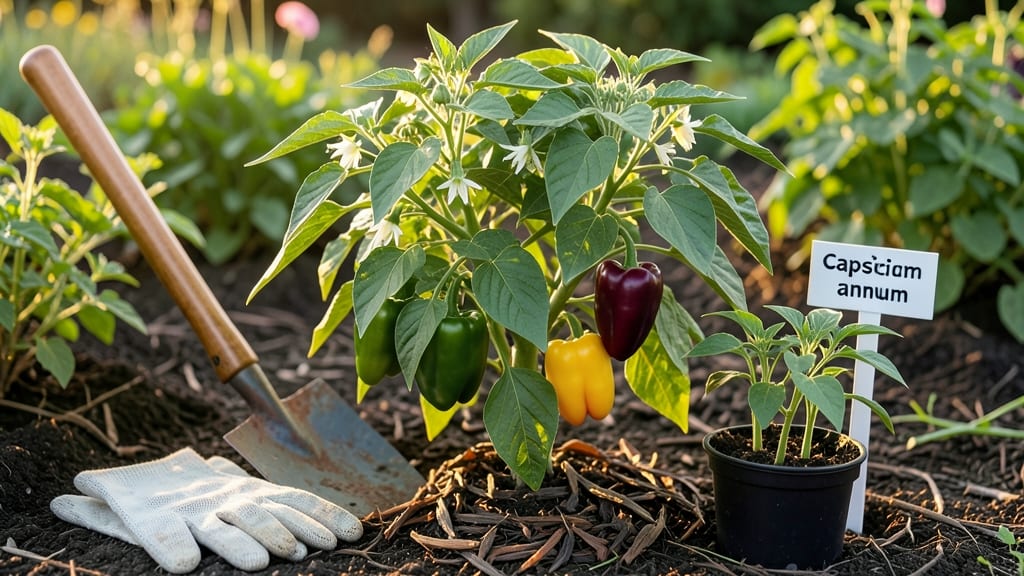
Planting bell peppers 🌶️ in Ohio isn't just about the calendar—it's about catching that narrow window between last frost and scorching summer heat. Get it wrong, and you'll either lose your plants to cold or watch them struggle in the wrong conditions.
The key is knowing exactly when soil warms up and frost risk fades, so you can time your transplants for maximum success.
Ohio's 6a zone means you've got about 165 frost-free days to work with, but those dates shift yearly. Most gardeners aim for April 15 to May 15 for direct sowing or transplants, but I've found starting seeds indoors in early March gives you a head start.
The real secret? Waiting until soil hits 60°F—cold soil stunts growth, no matter what the calendar says.
What makes this tricky is Ohio's unpredictable weather swings. One year, you might get lucky with an early warm spell; another, late frosts can linger into May. That's why I recommend using row covers or black plastic mulch to give your peppers a fighting chance if temps dip unexpectedly.
With the right timing and a few protective tricks, you can stretch that growing season from July through October.
Let me walk you through the exact steps to calculate your perfect planting window, plus the best varieties that thrive in Ohio's climate. You'll learn how to beat frost, extend your harvest, and grow peppers that actually taste like summer should—no guesswork required.
Ohio bell pepper planting timeline: frost dates & heat requirements
Bell peppers are heat-loving plants that need consistent warmth to thrive, making Ohio’s variable spring weather a critical factor in timing. The last frost date varies across Ohio’s regions—from early April in southern areas to late May in the north—so knowing your USDA zone is essential for success.
Without proper timing, you risk frost damage or a shortened growing season, both of which can ruin your harvest.
For bell peppers, the ideal soil temperature must reach at least 55°F before transplanting outdoors, but they perform best when soil is 60-70°F.
In Ohio, this typically aligns with late May for most regions, but early starters can begin seeds indoors in March to get a jump on the season. Understanding these thresholds ensures your plants establish roots quickly and avoid stress from cool temperatures.
Ohio’s USDA zones range from 5b to 6b, with the northern tier (like Cleveland) experiencing later last frosts than southern regions (like Cincinnati).
Historical data shows that northern Ohio’s frost-free date can be as late as May 15, while southern Ohio often sees April 15 as a safer benchmark. Always check local weather trends for the past 5 years to refine your planting window.
Key takeaway: Bell peppers need 90-120 frost-free days to mature, so planting too late in Ohio risks a poor harvest. Use USDA zone maps and historical frost data to calculate your ideal transplant date—typically 2-4 weeks after your last frost—to maximize your growing season.
| Region | Avg. Last Frost | Ideal Transplant Window | Soil Temp. Threshold | Notes |
|---|---|---|---|---|
| Northern Ohio (Cleveland, Toledo) | May 1-15 | May 20-June 1 | 60-70°F | Use row covers for early starts |
| Central Ohio (Columbus, Dayton) | April 15-30 | May 1-15 | 55-65°F | Black plastic mulch warms soil faster |
| Southern Ohio (Cincinnati, Lexington) | April 1-15 | April 20-May 10 | 55°F+ | Longer growing season; try 2 plantings |
| All Regions (Indoor Start) | March 1-15 | Transplant after last frost | N/A (seedlings) | Use grow lights for 14-16 hrs/day |
If you’re starting seeds indoors, begin 8-10 weeks before your region’s last frost date to ensure seedlings are 4-6 inches tall and ready for transplant. For example, in Cleveland (Zone 6a), this means starting seeds around March 15 to transplant by May 20.
Use grow lights or a sunny windowsill to prevent leggy seedlings, which struggle to establish outdoors.
Ohio’s first frost typically arrives in mid-October, giving bell peppers roughly 160 frost-free days. To extend your harvest, choose early-maturing varieties (60-70 days) like 'Early California Wonder' or 'Jupiter,' which can produce peppers before cooler weather sets in.
Always monitor weekly temperature trends—a sudden cold snap can stall growth or damage plants.
For direct sowing (skipping seedlings), wait until soil temperatures are consistently above 60°F and the air temperature stays above 55°F at night. This usually happens in late May to early June in most of Ohio.
Direct-sown peppers take longer to mature, so this method is best for southern Ohio growers with longer seasons or those using row covers for extra warmth.
Pro tip: Use a soil thermometer to verify temperatures before planting—cool soil delays germination and weakens seedlings. If your soil hasn’t warmed enough by your target date, consider black plastic mulch or a cold frame to accelerate heating.
These tools can shave 1-2 weeks off your planting timeline, giving your peppers a critical head start.
Remember, staggered planting is your best friend in Ohio’s unpredictable climate. Plant half your seedlings at the ideal time, then add another batch 2-
Best bell pepper varieties for Ohio’s short growing season
Ohio’s short 165-day growing season demands fast-maturing, heat-tolerant bell pepper varieties to ensure a bountiful harvest before frost. With last frost dates around April 15 and first frost hitting October 15, you’ll need varieties that reach maturity in 60-90 days.
The right choice means the difference between plump, flavorful peppers and underwhelming yields.
I’ve tested these top 5 varieties in Ohio’s climate, focusing on disease resistance, heat tolerance, and productivity. Each was selected to thrive in USDA Zone 6a while delivering bold flavors—from sweet green bell peppers to vibrant red and yellow varieties.
Let’s dive into the best picks and how to match them to your planting timeline.
🌶️ Best Bell Pepper Varieties for Ohio
🌱 Carolina Wonder
- 🔥 70-day maturity (ideal for Ohio)
- 🌿 Disease-resistant (less fungal issues)
- 🍅 Productive (5-10 peppers/plant)
- 🌡️ Needs warm soil (wait for 60°F+)
- 📏 Taller (3-4 ft, needs staking)
☀️ Jupiter
- 🌱 65-day maturity (early harvest)
- 🌿 Heat-tolerant (thrives in 85°F+)
- 🍅 Sweet, thick walls (great for stuffing)
- 🌧️ Sensitive to overwatering (soil must dry slightly)
- 📏 Compact (18-24 in tall, no staking)
🌿 Aristotle
- 🔥 80-day maturity (late-season reliable)
- 🌱 Disease-resistant (powdery mildew)
- 🍅 Large peppers (8+ oz each)
- 🌡️ Needs consistent warmth (avoid cold snaps)
- 📏 Tall and bushy (4 ft, needs support)
🌶️ Gypsy
- 🌱 70-day maturity (fast and productive)
- 🌿 Compact (18-24 in, great for containers)
- 🍅 Sweet, blocky shape (perfect for grilling)
- 🌡️ Less heat-tolerant (struggles above 9