
Plants
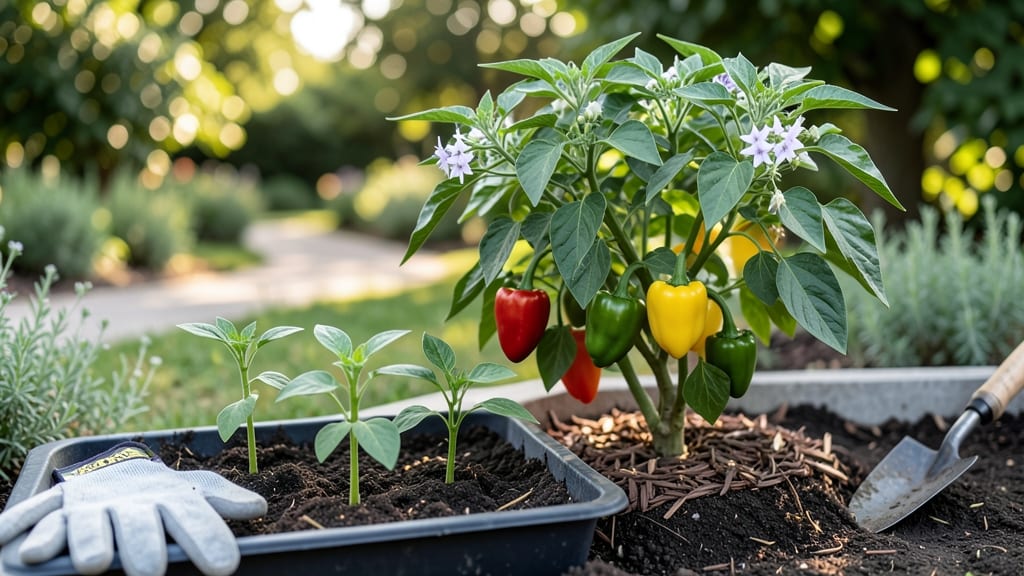
Planting your bell peppers 🌶️ at the wrong time in California could mean watching your garden struggle—or worse, losing your entire crop before it even ripens. Unlike many crops, bell peppers are finicky about warmth, and getting the timing right means the difference between a thriving harvest and wasted effort.
Most gardeners in California’s 9a-10b zones start seeds indoors in February or March, but the exact window depends on where you live—coastal fog delays planting, while inland areas can jumpstart growth weeks earlier.
The key isn’t just avoiding frost (which is rare here) but waiting for soil to warm to at least 60°F before transplanting.
In this guide, I’ll break down the exact planting deadlines for your region, whether you’re in the Central Valley, San Francisco Bay Area, or desert zones.
You’ll also learn how to adjust for microclimates, extend your growing season, and avoid common mistakes that kill bell pepper plants before they bear fruit.
Ready to grow a garden full of sweet, crisp peppers? Let’s get started with the must-know timing that’ll set you up for success—no guesswork required.
California bell pepper planting deadlines by USDA zone (soil temp & frost risk)
California’s bell peppers thrive when planted at the right time, but the state’s diverse microclimates make timing tricky. Unlike many regions, California rarely sees frost, but soil temperature and heat tolerance vary dramatically from coastal foggy zones to inland deserts.
Understanding your USDA zone and local frost-free dates ensures your peppers grow strong and productive.
Most of California falls within USDA zones 7b to 10b, but even within these zones, coastal areas (like San Francisco) can be 5–10°F cooler than inland valleys (like Sacramento). Bell peppers need warm soil (60°F+) and consistent warmth (70°F+) to germinate and flourish.
Planting too early in cooler zones risks stunted growth, while waiting too long in hot desert areas can lead to bolting (premature flowering).
Below is your zone-by-zone planting guide, including last frost dates, ideal soil temperatures, and recommended planting windows for both seeds and transplants. Use this to align your planting with California’s unique climate patterns.
🌱
| USDA Zone | Last Frost Date | Soil Temp for Planting | Seed Start Indoors | Transplant Outdoors | Direct Sow Outdoors |
|---|---|---|---|---|---|
| Zone 7b (High Desert) | March 15–April 1 | 60°F+ (minimum) | February 1–15 | April 15–May 1 | May 1–15 |
| Zone 8a (Central Valley) | February 1–March 15 | 65°F+ (optimal) | January 15–February 15 | March 1–April 15 | April 1–May 1 |
| Zone 8b (Sacramento) | January 15–February 1 | 65°F+ (optimal) | December 15–January 15 | February 15–March 15 | March 15–April 1 |
| Zone 9a (Los Angeles) | December 1–January 15 | 70°F+ (ideal) | November 1–December 15 | January 15–February 15 | February 15–March 15 |
| Zone 9b (San Diego) | November 15–December 1 | 70°F+ (ideal) | October 1–November 15 | January 1–February 1 | February 15–March 1 |
| Zone 10a (Coastal) | October 15–November 1 | 70°F+ (ideal) | September 1–October 15 | December 1–January 15 | January 15–February 15 |
| Zone 10b (Palm Springs) | September 1–October 1 | 75°F+ (optimal) | August 1–September 15 | November 1–December 1 | December 15–January 15 |
For most of California, bell pepper seeds can be started indoors 8–10 weeks before your last frost date. In cooler zones (7b–8a), like the high desert or foothills, begin indoors in February to transplant outdoors by April 15.
In warmer zones (9b–10b), like coastal areas or deserts, you can start seeds as early as September for a winter harvest or January for a spring harvest.
Direct sowing outdoors works best when soil temperatures consistently stay above 60°F. Use a soil thermometer to check—if temps dip below this, wait or use row covers to
How to adjust planting time for coastal vs. inland California microclimates
California’s microclimates create dramatic differences in planting windows for bell peppers. Coastal areas like San Francisco enjoy mild winters and longer growing seasons, while inland valleys like the Central Valley experience hotter summers and earlier frost risks in high desert regions.
Understanding these variations helps you avoid common mistakes like planting too early in cold soil or missing the optimal window.
For coastal regions, where temperatures rarely drop below 40°F, you can start bell pepper seeds indoors as early as January and transplant outdoors by late February to early March.
The foggy marine layer protects young plants from extreme heat later in the season, giving you a longer harvest window through October or even November with protection.
In contrast, inland valleys like the Central Valley have warmer soils earlier—ideal for direct sowing by mid-March—but face intense summer heat that can stress plants.
Desert areas like Palm Springs (USDA Zone 10b) can plant outdoors year-round, but heat tolerance becomes critical for varieties like 'NuMex Sandia' or 'Jalapeño M'.
| Microclimate | Optimal Planting Window | Soil Temp Requirement | Season Extension Tips |
|---|---|---|---|
| Coastal (SF, LA) | Indoors: Jan-Feb | Outdoors: Late Feb-Mar | 60-65°F (use row covers for cooler nights) | Floating row covers for early starts, shade cloth in summer |
| Valley (Central Valley) | Indoors: Feb-Mar | Outdoors: Mid-Mar-Apr | 65-70°F (warmer soils speed germination) | Drip irrigation for heat stress, black plastic mulch |
| Desert (Palm Springs) | Outdoors: Year-round (avoid peak summer) | 70-75°F (heat-tolerant varieties only) | Shade cloth 30-50% for summer planting, evening watering |
To extend your harvest season in coastal areas, use floating row covers to protect young plants from chilly coastal winds and cold frames to overwinter peppers like 'Anaheim' varieties.
In the Central Valley, prioritize heat-tolerant varieties such as 'Carmen' or 'Aristotle' and plant in late winter to avoid blistering summer heat.
For desert gardeners, focus on shade and timing: plant in early spring (March) or fall (September-October) to avoid the 100°F+ temperatures of peak summer. Use 50% shade cloth and drip irrigation to maintain consistent moisture.
Even in these extreme climates, container gardening on patios or balconies can create microenvironments with better control over soil temperature.
Pro tip: Monitor your local agricultural extension office for frost alerts—even in Zone 10, unexpected cold snaps can occur in high desert areas. Adjust your planting schedule by 2-4 weeks based on these forecasts to ensure your bell peppers thrive year after year. 🌶️