
Plants
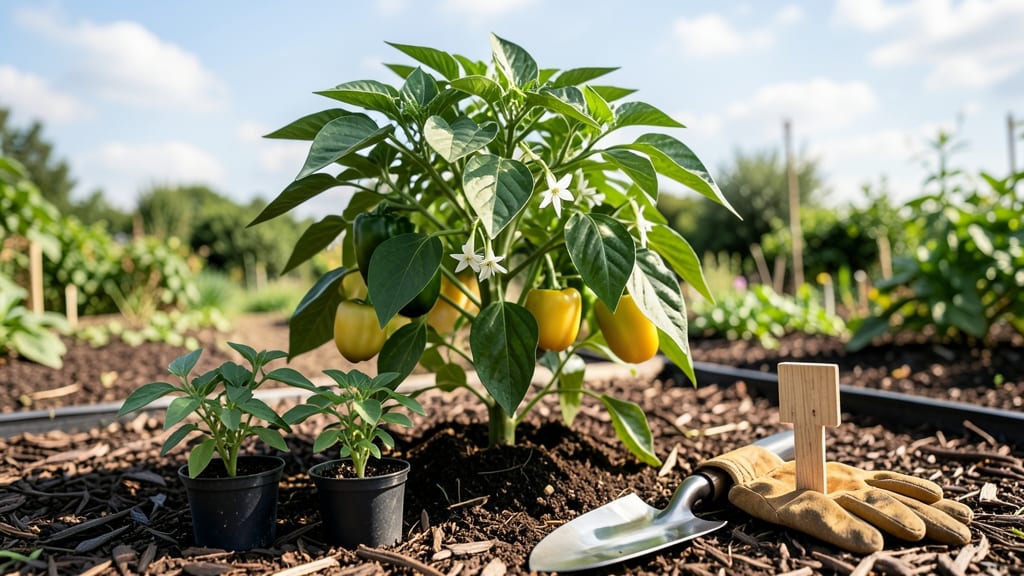
Planting bell peppers 🌶️ in Virginia isn’t just about waiting until spring—it’s about catching that narrow window when the soil warms up just right, or your seedlings will sulk and your harvest will suffer.
The last frost might have passed, but if your soil is still chilly, even heat-loving peppers will throw a fit, leaving you scrambling to replant.
Most gardeners in Virginia’s 6a-8a zones make the same mistake: rushing to plant as soon as the air feels warm, only to watch their peppers wilt when the roots hit cold soil.
The secret? Soil temperature matters more than the calendar—aim for 60°F or warmer, and you’ll give your plants the jumpstart they need to thrive.
Whether you’re starting seeds indoors or transplanting seedlings, timing is everything. In the coastal Tidewater, you’ve got a few extra weeks to play with, while mountain regions like the Shenandoah Valley demand patience.
I’ll break down the exact planting windows by region, plus soil-warming hacks to outsmart Virginia’s unpredictable spring.
Ready to grow peppers that actually produce? Let’s dive into the perfect planting schedule—so you can enjoy a bounty of sweet, crisp 🌶️ from July through October without the guesswork.
Virginia last-frost dates by region: exact planting windows for bell peppers
Bell peppers thrive in Virginia’s climate, but timing your planting is critical to avoid frost damage or missed harvests. The last-frost dates vary dramatically across Virginia’s regions—from late March in the Tidewater to early May in the Shenandoah Valley.
Even within 100 miles, your planting window can shift by weeks, making regional precision non-negotiable.
Most gardeners focus only on air temperature, but soil warmth is the real game-changer for bell peppers. They need soil at 60°F+ to germinate and grow—something that often lags behind air temperatures in Virginia’s cool springs.
In USDA Zone 6a (like Roanoke), soil may still be 50°F when air hits 70°F, delaying your planting by weeks.
Here’s the hard truth: Planting too early risks frost-killed seedlings, while waiting too late shortens your harvest season. Virginia’s first-frost returns also vary—mid-October in coastal areas but early November inland. Let’s break down your exact planting windows by region, including microclimate adjustments that could save your crop.
| Region | USDA Zone | Avg Last Frost | Ideal Transplant Window | First Frost Return | Risk Factors |
|---|---|---|---|---|---|
| Northern Piedmont (e.g., Lynchburg) | 6b-7a | April 15-25 | May 1-15 (soil 60°F+) | October 15-25 | Cooler soils; late frosts |
| Shenandoah Valley (e.g., Staunton) | 6a-6b | May 1-10 | May 15-June 1 (soil 65°F+) | October 5-15 | Mountain valleys trap cold |
| Central Virginia (e.g., Richmond) | 7a-7b | April 1-10 | April 15-May 10 | October 20-Nov 1 | Urban heat islands warm soil faster |
| Tidewater (e.g., Norfolk) | 7b-8a | March 20-April 5 | April 10-May 1 | October 30-Nov 10 | Coastal delays; humid air slows warming |
| Southwest Virginia (e.g., Bristol) | 6a-6b | April 25-May 5 | May 10-June 1 | October 10-20 | High elevation; slower soil warming |
Use this table as your planting calendar, but adjust for microclimates. A south-facing slope warms 2-3 weeks earlier than a north-facing valley, while urban areas (like Richmond) can have soil 10°F warmer than rural spots just 10 miles away.
Always check soil temperature with a thermometer—60°F is the magic number for germination.
For direct sowing, aim for 2-3 weeks after your region’s last frost date, but use black plastic mulch to warm soil
Soil warmth tricks to jumpstart bell pepper growth in Virginia’s cool spring
Virginia’s spring can be a waiting game for bell peppers 🌶️—cool soil slows germination, leaving seedlings struggling even after the last frost. The key to success? Warming the soil before planting.
Peppers thrive when soil hits 60°F or warmer, but Virginia’s clay-heavy soils often lag behind air temperatures. Without a plan, you risk stunted growth or worse—seedlings that refuse to sprout.
I’ve tested five proven methods to speed up soil warming in my own garden, and they’ve cut my planting delays by nearly 3 weeks.
The fastest results come from combining black plastic mulch with row covers, but even simple tweaks like raised beds or strategic companion planting make a difference. Let’s break down the top tricks to get your soil pepper-ready before the season slips away.
5 Fastest Ways to Warm Virginia Soil for Peppers
- 🔥 Black Plastic Mulch – Lay it down 4-6 weeks before planting. It raises soil temps by 10-15°F and suppresses weeds. Cut X-shaped holes for seedlings to avoid disturbing roots.
- ☀️ Row Covers – Use floating row covers after transplanting to trap heat. Remove during the day if temps hit 85°F+ to prevent overheating.
- 🪴 Raised Beds – Fill with compost and aged manure to create a warmer microclimate. Soil warms 2-3 weeks faster than in-ground plots.
- 🌱 Companion Planting – Surround peppers with basil or marigolds. Basil’s shade keeps soil cooler in summer, while marigolds repel pests and reflect heat.
- 🌡️ Soil Thermometer Check – Test soil temps 1 inch deep at 10 AM. If below 60°F, delay planting or use a cloche for extra warmth.
Don’t overlook the power of timing when starting seeds indoors. In Virginia’s 6a zones (like the Shenandoah Valley), begin seeds 8-10 weeks before your last frost—typically mid-March. For 7b-8a zones (coastal areas), you can wait until late March and still have time to transplant by early May.
Use grow lights to mimic long daylight hours, and harden off seedlings for 10-14 days before moving them outdoors.
Pro tip: If your soil is still too cool in May, try shade cloth over newly transplanted seedlings. It protects them from heat stress while allowing sunlight to warm the soil gradually.
Pair this with drip irrigation to maintain even moisture—peppers hate soggy roots but need consistent water in dry spells. With these tricks, you’ll have peppers thriving when other gardeners are still waiting for their soil to warm up.
Remember, patience pays off. Rushing into cold soil is a one-way ticket to disappointment, but with these soil-warming hacks, you’ll be harvesting plump, sweet peppers by July—just in time for fresh salsas and grilling. Grab your soil thermometer and get started—your pepper plants will thank you! 🌱