
Plants
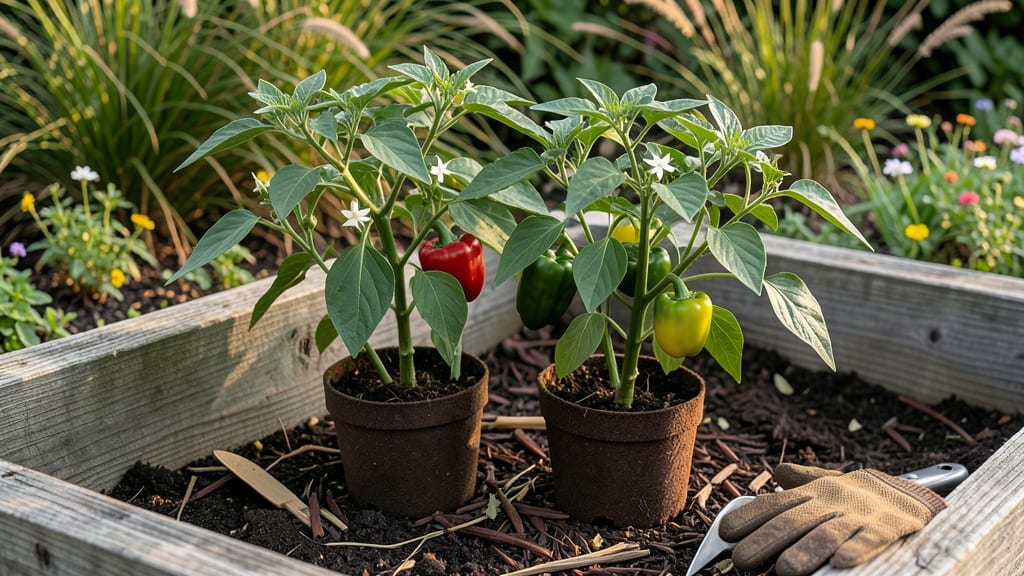
Planting bell peppers 🌶️ in Southern California’s mild winters and long summers isn’t just about avoiding frost—it’s about catching the two perfect windows when your plants will thrive without stress.
Skip the timing, and you might end up with stunted growth or wasted effort, especially when coastal breezes and inland heat play tricks on your schedule.
If you’ve ever wondered why some gardeners get bumper crops while others struggle, the answer lies in understanding Southern California’s unique microclimates.
From the cooler coastal zones to the hotter inland valleys, the right planting month can mean the difference between a harvest in June or a failed attempt in August. Let’s break down exactly when to start seeds or transplant seedlings for maximum success.
You don’t need a green thumb to grow bell peppers here—just the right strategy. Whether you’re a first-time gardener or a seasoned pro, knowing when to plant ensures your 🌶️ plants grow strong, produce fruit, and give you a harvest from spring through fall.
Ready to unlock the secrets to a thriving pepper patch?
In this guide, I’ll walk you through the optimal planting months for your specific region, plus pro tips to extend your growing season. No more guesswork—just a foolproof plan for Southern California’s climate.
Best planting months for bell peppers in Southern California by region
Southern California’s diverse microclimates mean your bell pepper planting schedule should depend on whether you live near the coast or inland. Coastal areas like Santa Barbara and San Diego enjoy milder winters, while inland valleys like the Inland Empire and San Fernando Valley experience hotter summers and cooler nights.
Even a 50-mile difference can shift your ideal planting window by 4-6 weeks.
Unlike northern climates, Southern California rarely faces frost, but unexpected cold snaps can still occur—especially in high-elevation areas like Big Bear or Mount Laguna. These rare events can damage young seedlings, so timing is everything.
The two primary planting windows—spring and fall—align with the region’s natural temperature shifts, but inland areas often benefit from an earlier start.
Here’s the breakdown you need to avoid common mistakes like overcrowding seedlings or planting too late for a full harvest. Whether you’re growing jalapeños, bell peppers, or hot peppers, these guidelines apply across the board.
🌶️ Pro Tip: Always check your local USDA Zone (typically 9b-11) and monitor soil temperatures—bell peppers thrive when soil reaches 60°F+.
| Region | Spring Planting Window | Fall Planting Window | Key Considerations |
|---|---|---|---|
| Coastal (e.g., San Diego, Santa Barbara) | March 15 - April 15 | September 1 - October 1 | Cooler nights, lower humidity, less heat stress. Start seeds indoors 8-10 weeks before transplanting. |
| Inland Valleys (e.g., Riverside, San Bernardino) | February 15 - March 30 | August 15 - September 15 | Hotter days, drier soil, earlier soil warming. Use shade cloth for seedlings in summer. |
| Desert (e.g., Palm Springs, Joshua Tree) | January 15 - February 15 | July 15 - August 15 | Extreme heat, low humidity, water restrictions. Plant in deep containers with mulch. |
| High Elevation (e.g., Big Bear, Mount Laguna) | April 1 - May 1 | September 15 - October 15 | Frost risk after October 15. Use row covers for early/late plantings. |
For coastal gardeners, the spring window starts later because cooler ocean breezes delay soil warming. In contrast, inland areas can plant as early as mid-February because the ground heats up faster.
If you’re in the desert, aim for January to avoid the brutal summer heat that can stunt pepper growth.
Fall planting is equally critical. Coastal regions can extend their season until early October, while inland areas should wrap up by mid-September to avoid heat stress. In high-elevation zones, watch for early frosts—even a 28°F night can kill young plants.
💡 Season Extension Hack: Use black plastic mulch to warm soil 5-10°F faster in spring or row covers to protect fall plantings from unexpected chills.
Transplanting seedlings is another key factor. Wait until nighttime temperatures stay above 55°F and soil reaches 60°F+. Inland gardeners can often transplant 2-3 weeks earlier than coastal growers. If you’re unsure, stick your finger 2 inches deep into the soil—it should feel warm, not cold.
🌱 Soil Prep Tip: Amend your soil with compost and a balanced fertilizer (10-10-10) 2 weeks before transplanting. Bell peppers are heavy feeders and need nutrient-rich soil to produce fruit.
Finally, don’t forget about succession planting. By staggering your plantings every 2-3 weeks within the recommended windows, you can enjoy a continuous harvest from <
How to extend your bell pepper growing season in Southern California
Southern California’s mild winters and long summers create a perfect opportunity to grow bell peppers year-round—but only if you know how to extend your natural growing season.
While most gardeners focus on spring and fall plantings, smart techniques like row covers and succession planting can give you peppers from early spring through late fall. The key is protecting your plants from unexpected cold snaps and heat stress while maximizing your harvest window.
Even in our frost-free climate, coastal breezes and inland heat can stress young plants. By using simple, cost-effective strategies, you can double your harvest without breaking the bank.
Whether you’re dealing with coastal fog or inland heatwaves, these methods will help you grow peppers when others can’t. Let’s dive into the best ways to extend your season and keep your pepper plants thriving all year.
- 🌱 Start seeds indoors 8-10 weeks before your target outdoor date. Use grow lights to simulate 14-16 hours of light daily for robust seedlings.
- 🌡️ Use row covers (floating or hoop-style) to protect seedlings from coastal winds and light frosts (rare but possible). Remove covers once plants are established.
- ☀️ Set up DIY cold frames with clear plastic lids over wooden boxes. Place them in sunny spots to trap heat and extend early spring or late fall growth by 4-6 weeks.
- 🌿 Practice succession planting every 2-3 weeks from March to October. Sow a new batch of seeds or transplant seedlings to ensure a continuous harvest.
- 💧 Mulch heavily with straw or wood chips to retain soil moisture and regulate temperature. This is especially critical during late summer heatwaves.
One of the easiest ways to extend your season is with row covers. These lightweight fabrics protect young plants from chilly coastal winds and even light frosts (yes, they happen in SoCal!).
I’ve used $20 floating row covers from garden centers to shield my seedlings in early spring, giving them a 2-3 week head start. Just remember to remove them once plants are flowering to allow pollination.
For a longer harvest window, try succession planting. Instead of planting all your seeds at once, stagger them every 2-3 weeks from March through October.
This ensures you always have mature plants producing peppers while others are just getting started. It’s a game-changer for continuous yields without extra space or effort.
If you’re looking for a low-cost, high-impact solution, build a DIY cold frame using wooden boxes and clear plastic sheeting. These simple structures can extend your growing season by 4-6 weeks in both spring and fall.
Place them in a sunny, sheltered spot and monitor soil temperature—aim for 60°F+ for optimal growth.
Don’t forget about heat tolerance. Southern California’s summer heat can stress pepper plants, leading to blossom drop or stunted growth. To combat this, mulch heavily and water deeply in the early morning.
Avoid wetting the leaves to prevent fungal diseases like powdery mildew, which thrive in hot, humid conditions.
With these strategies, you can enjoy bell peppers from spring through fall—even in our unpredictable climate. Start small, experiment with one or two techniques, and soon you’ll have a year-round pepper harvest that rivals any grocery store. Happy growing! 🌶️