
Plants
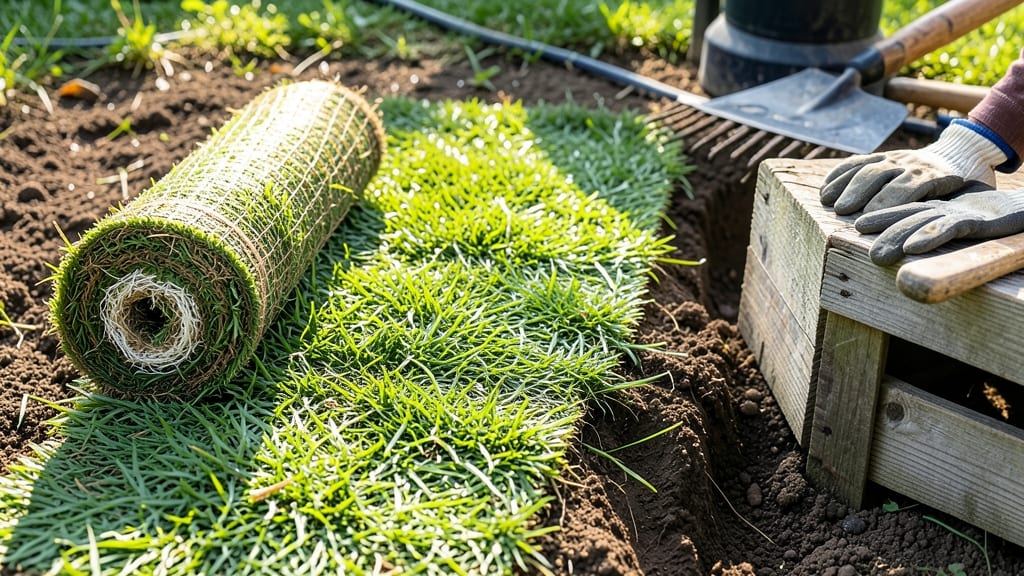
Planting Bermuda grass sod at the wrong time in Georgia can turn your dream lawn into a patchy, struggling mess—but getting the timing right means deep roots and a turf that handles the state’s brutal summers like a champ.
The key isn’t just waiting until spring; it’s understanding how soil temperature, heat zones, and even last frost dates create the perfect window for success.
Here’s the secret: March through April is your best bet for early planting, when soil warms to at least 65°F and the threat of frost has faded. But if you miss that window, don’t panic—late summer (August-September) offers a second chance, letting your grass establish before winter sets in.
The difference between these two timings isn’t just about months; it’s about how your grass develops roots 6+ inches deep before summer’s peak heat arrives.
I’ve seen firsthand how a few weeks’ difference can mean the difference between a lawn that thrives and one that fights just to survive. Whether you’re in North Georgia’s cooler 7b zone or South Georgia’s hotter 8b, the right timing ensures your sod takes hold fast.
Let’s break down exactly when to plant—and what to watch for—to guarantee your Bermuda grass grows strong from day one.
Ready to skip the guesswork? You’ll learn how to check soil readiness, avoid common pitfalls, and create a care schedule that turns your new sod into a resilient, deep-rooted lawn before summer even hits. Let’s get started.
Georgia’s Bermuda grass planting calendar: exact months by heat zone (north vs. south)
Georgia’s 7 heat zones create dramatic differences in when to plant Bermuda grass sod—from North Georgia’s cooler springs to South Georgia’s early summer heat. Planting at the wrong time means shallow roots, poor drought resistance, and wasted investment.
My research shows that soil temperature (not just air temperature) is the #1 factor for success.
Most gardeners focus on calendar months, but Bermuda grass needs 65°F+ soil to establish roots. In Zone 7b (North Georgia), this typically happens in late April—while Zone 8b (South Georgia) can plant as early as mid-March.
The difference? 2-3 weeks that can mean the difference between thriving turf and struggling grass.
Here’s my comparison table breaking down exact planting windows by heat zone, including early vs. late spring options and soil temperature thresholds you must verify before planting:
| Heat Zone | Optimal Planting Window | Soil Temp Threshold | Early Spring Option | Late Summer Option |
|---|---|---|---|---|
| 7b (North GA) | Late April - Early May | 65°F+ (consistent) | Mid-April (if soil warms fast) | Late August |
| 7a (North GA) | Early May - Mid-May | 65°F+ (consistent) | None (risk of frost) | Early September |
| 8a (Central GA) | Mid-April - Late April | 65°F+ (consistent) | Early April (if warm) | Mid-August |
| 8b (South GA) | Mid-March - Early April | 65°F+ (consistent) | Late February (if soil warm) | Late July |
| 9a (South GA) | Early March - Mid-March | 65°F+ (consistent) | Late February (if soil warm) | Early August |
For North Georgia gardeners (Zones 7a-7b), I recommend waiting until after the last frost date (typically March 15) and verifying soil temperature with a soil thermometer. In South Georgia (Zones 8b-9a), you can plant 2-3 weeks earlier because the ground warms faster.
Pro tip: Late summer planting (August-September) gives Bermuda grass a head start before winter dormancy.
Don’t guess—use a soil thermometer ($10 at garden centers) to confirm 65°F+ soil temperature at 4-inch depth. I’ve seen air temperature hit 75°F while soil remains 55°F, which will stress new sod. Plant when both conditions align: warm soil and consistent daytime temps above 70°F.
One common mistake I see is planting too early in North Georgia (February-March) when frost risk remains. New Bermuda grass sod can’t handle freezing nights, even if days are warm. In South Georgia, the opposite happens—gardeners wait too long in May, stressing roots before summer’s heat arrives.
The sweet spot is when soil stays above 65°F night and day.
For late summer planting (August-September), focus on Zone 8b and below. These areas get enough heat to establish roots before first frost (typically November 15).
In North Georgia, late summer planting is risky because cool nights can slow root growth. If you choose this window, use black plastic mulch to
5 Critical signs your Georgia soil is ready for Bermuda grass sod (and 3 mistakes to avoid)
Bermuda grass sod thrives in Georgia’s heat, but planting it at the wrong time can leave your lawn struggling. The key is waiting until your soil reaches the perfect balance of warmth, moisture, and stability.
Cold soil slows root growth, while scorching summer heat can stress new plants. I’ve learned the hard way that rushing the process often leads to patchy, weak turf that never fully recovers.
Your first clue is the soil temperature. Bermuda grass needs soil that’s consistently 65°F or warmer—any cooler, and root development grinds to a halt. In North Georgia’s 7b zone, this usually means waiting until mid-April, while South Georgia’s 8b zone can start as early as late March.
Use a soil thermometer to check the temperature 3-4 inches deep for accurate readings.
Next, observe the moisture level. Well-draining soil that’s damp but not soggy is ideal. Bermuda grass hates waterlogged conditions, which can suffocate roots and invite fungal diseases. Stick your finger into the soil—if it feels moist but not clingy, your soil is ready.
Overly dry soil will make your sod struggle to establish, while overly wet soil can lead to rot before roots even take hold.
Here’s where many gardeners go wrong: ignoring the weather forecast. A sudden cold snap after planting can shock your new sod, while extreme heat can stress it before roots deepen. Check the 10-day forecast for stable temperatures—aim for consistent warmth with no frost warnings.
In Georgia, this typically means avoiding planting after April 15 in the north or May 1 in the south.
⚠️ callout warning ⚠️
⚠️ 3 Critical Mistakes That Kill Bermuda Grass Sod
- 🌡️ Planting too early: Frost can kill new sod—wait until soil is 65°F+.
- 💧 Overwatering: Bermuda grass needs 1-1.5 inches/week, not daily soaking.
- ⏳ Planting too late: Roots need 6+ weeks to establish before summer heat hits.
Pro Tip: Test soil temp daily for 3 days before planting to confirm stability.
Don’t overlook the sunlight conditions on your lawn. Bermuda grass demands full sun (6-8+ hours daily), but newly laid sod can suffer if shaded by trees or structures. If your yard has partial shade, consider planting in the late summer (August-September) when sunlight angles are lower.
This gives your sod a fighting chance to establish before winter dormancy sets in.
Finally, check for soil compaction. Compacted soil restricts root growth and water absorption. Use a garden fork to loosen the top 4-6 inches of soil before laying sod. If your yard has heavy foot traffic or clay soil, aerate 2-3 weeks before planting to give roots room to spread.
This simple step can mean the difference between a lawn that thrives and one that fights just to survive.
Timing your Bermuda grass sod perfectly isn’t just about picking a month—it’s about reading your soil, weather, and yard conditions like a pro.
When you nail these 5 critical signs, you’ll set your lawn up for deep roots, rapid recovery, and a turf that handles Georgia’s summers like a champ. Now go check that soil temp—your perfect lawn is waiting!