
Plants
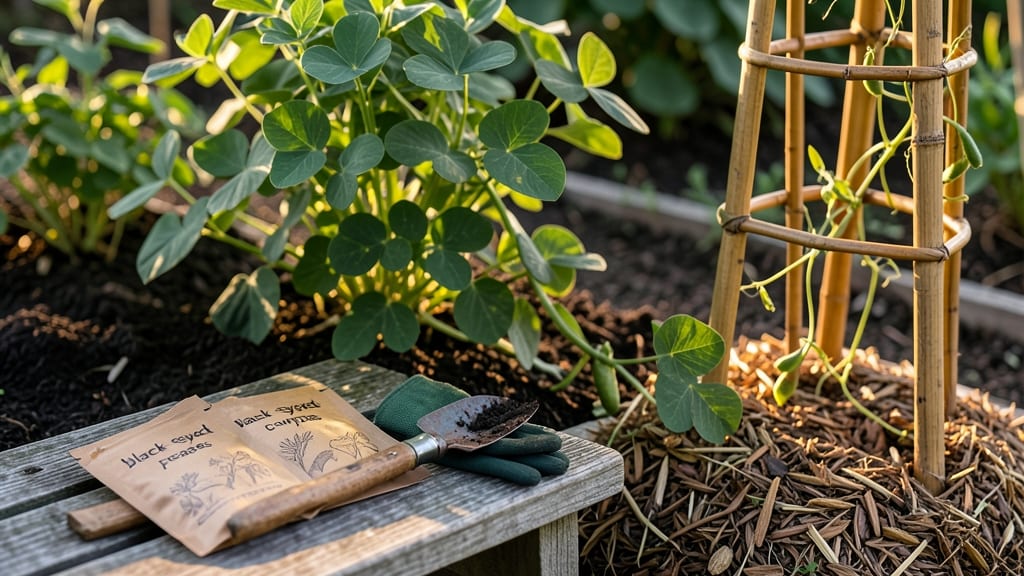
Planting black-eyed peas 🌱 in Texas isn’t just about dropping seeds in the dirt—it’s about timing them perfectly to dodge those sneaky late freezes or scorching summer heat.
If you miss the window, you’ll either watch your seedlings shrivel in a cold snap or struggle with leggy, unproductive plants when temperatures soar.
Most Texas gardeners swear by two ideal planting windows: late February through early March for spring harvests or September to early October for fall crops.
But here’s the catch—your exact deadline depends on whether you’re in North Texas (Zone 8a) or South Texas (Zone 10b), where frost dates can shift by weeks.
I’ve grown black-eyed peas across Texas for years, and the biggest mistake I see? Planting too early in cooler zones or too late in hotter areas. The result? Either wasted seeds or a harvest that never materializes.
Let me show you how to nail the timing—down to the week—so your pods are plump and ready by May or November.
We’ll cover soil prep, frost-free deadlines by heat zone, and even how to stretch your growing season with simple tricks. Ready to turn your Texas garden into a black-eyed pea powerhouse? Let’s get started.
Texas heat zones and black eyed pea planting deadlines by month
Texas gardeners know timing is everything—especially when planting black-eyed peas in USDA zones 8a-10a. These heat zones create dramatic differences in frost dates, soil warming, and peak growing conditions. Plant too early, and a late freeze will wipe out seedlings.
Plant too late, and your harvest shrinks under summer heat. The solution? Nail your planting deadlines based on your specific Texas heat zone.
Black-eyed peas thrive in cool-season windows, meaning your best bets are either late winter/early spring or early fall. In Zone 8a (North Texas), you’ll have a shorter window than Zone 10a (South Texas), where mild winters allow for extended growing seasons.
Let’s break down the exact months and temperature thresholds to maximize your harvest.
🌱 Key Rule: Always wait until soil temps hit 60°F and all frost risk has passed. Use a soil thermometer to avoid guessing—black-eyed peas won’t germinate well in cold soil. In Texas, this means late February to early March for spring plantings and September to early October for fall.
| Texas Heat Zone | Last Frost Date | Spring Planting Window | Fall Planting Window | Critical Temp Threshold |
|---|---|---|---|---|
| Zone 8a (North Texas) | February 15 | Late February–Early March | September 1–October 1 | Soil 60°F+ |
| Zone 8b (Central Texas) | February 1 | Mid-February–Mid-March | September 15–October 15 | Soil 60°F+ |
| Zone 9a (Austin/San Antonio) | January 15 | Early February–Early March | September 15–October 30 | Soil 60°F+ |
| Zone 9b (Coastal Texas) | January 1 | Late January–March | October 1–November 15 | Soil 60°F+ |
| Zone 10a (Deep South Texas) | December 15 | Late January–Early April | October 15–December 1 | Soil 60°F+ |
In Zone 8a, your spring planting deadline is firm: March 15. After that, the heat arrives, and black-eyed peas bolt (flower prematurely) or struggle to set pods.
For fall, aim to plant by October 1—any later, and your crop won’t mature before the first frost hits in early December. In contrast, Zone 10a gardeners enjoy flexibility, with a spring window stretching into early April and a fall window lasting until December 1.
Pro tip: Use row covers to push your spring planting 2-3 weeks earlier in cooler zones like 8a-9a. These lightweight fabrics shield seedlings from late frosts while allowing sunlight and water through.
I’ve used them to extend my Zone 9a spring window by nearly a month—just remove covers once true leaves appear to avoid overheating.
🌡️ Temperature Triage: Black-eyed peas hate heat above 85°F. If you’re in Zone 9b-10a and planting in late spring, opt for shade cloth (30-50%) during peak afternoon sun. This keeps pods from becoming tough or bitter. I’ve seen yields drop by 40% in unshaded beds during Texas summers—don’t let that happen to you!
For fall plantings, focus on soil prep 4-6 weeks before your zone’s first frost. Work in 2-3 inches of compost to warm the soil faster, and choose a south-facing bed to capture afternoon sun.
In Zone 8a, this means prepping by August 15—don’t wait until September, or your peas will play catch-up as temps drop.
One common mistake? Planting black-eyed peas in summer. Texas summers are brutal for these cool-season plants. If you crave summer peas, try yard-long beans or snap peas instead—they handle the heat far better.
Stick to the fall or spring windows, and you’ll enjoy a bountiful harvest without the stress.
🌱 Ready to plant? Grab your soil thermometer, mark your zone’s deadlines, and get those seeds in the ground—just in time to avoid the Texas heat or frost! For extra insurance, bookmark the Texas A&M AgriLife Extension frost maps to track real-time updates.
How to extend your black eyed pea growing season in Texas
Texas gardeners know the struggle: short growing seasons in USDA zones 8a-9a and sweltering summers in zones 9b-10a can make black-eyed peas tricky to grow. But with the right techniques, you can push harvests earlier or delay them longer—giving you fresh pods when standard planting windows fail.
The secret lies in controlling temperature extremes and staggering plantings. In cooler zones, row covers and soil warming can shave weeks off your wait time, while in hotter areas, shade cloth and succession planting keep your harvest going past the usual cutoff.
Let’s break down the best methods for your specific Texas climate zone.
- 1 Use row covers in zones 8a-9a to protect seedlings from late spring frosts (extend season by 3-4 weeks).
- 2 Warm soil with black plastic mulch in fall plantings to reach 60°F soil temps faster (critical for germination).
- 3 Plant in succession every 2 weeks for continuous harvests—start first batch in September, last in early October.
- 4 Use shade cloth (30-50%) in zones 9b-10a to block summer heat and prevent bolting (keep temps under 85°F).
- 5 Cold-hardy varieties like 'Purple Hull' or 'Crimson' tolerate 30°F temps—ideal for fall/winter harvests in cooler zones.
For cooler Texas zones (8a-9a), focus on early fall plantings combined with row covers. Start seeds indoors 6-8 weeks before your average last frost date (typically mid-October in North Texas).
Transplant seedlings outdoors when soil temps hit 60°F, then drape floating row covers over them to trap heat. This can delay frost damage by 2-3 weeks, giving you pods well into December.
In hotter zones (9b-10a), the goal shifts to avoiding summer heat. Use 30% shade cloth to keep soil temps below 85°F and water deeply every 2-3 days to prevent stress.
For extended harvests, make succession plantings every 2 weeks from September through November. This ensures fresh pods even as winter approaches.
Don’t overlook soil preparation—amend beds with compost and a balanced fertilizer (10-20-10) before planting. Well-draining soil prevents root rot, while mulching with straw keeps moisture consistent. With these adjustments, you’ll double your harvest window and enjoy black-eyed peas from late fall to early spring.
Pro tip: Monitor local frost dates using the Texas A&M AgriLife Extension tool—it’s your best guide for adjusting planting timelines each year. A little planning now means fresh pods on your table when others are still waiting for their first harvest! 🌱