
Companion Plants
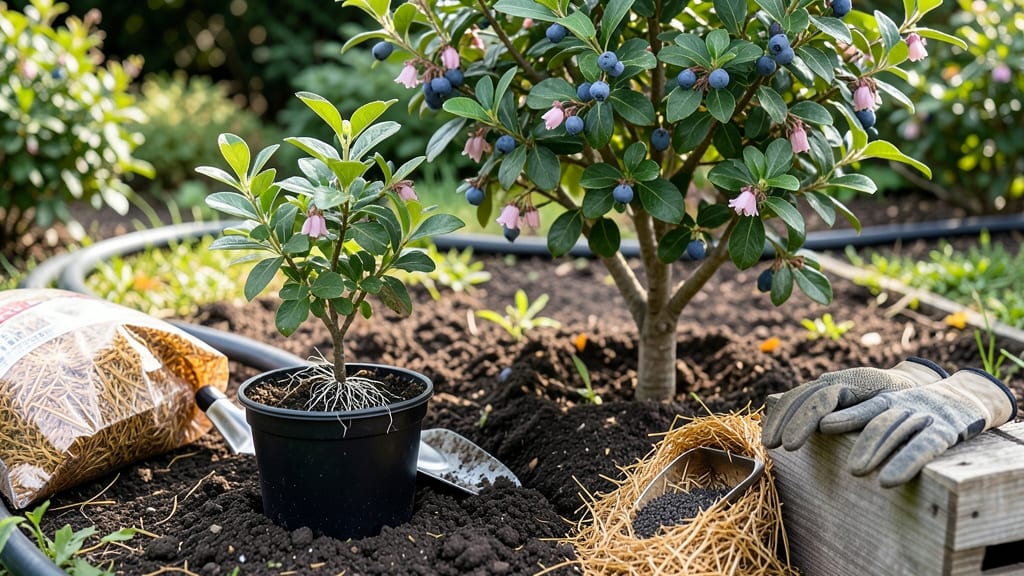
Timing your Blueberry Bush 🫐 planting in Pennsylvania wrong could mean the difference between a lush harvest and years of disappointment. The key window—late winter to early spring—aligns perfectly with the 5b-7a zones, but even a few weeks off can stress your plants.
I’ve watched too many gardeners rush planting before the last frost or wait too long, only to see their bushes struggle. The secret? Planting when the soil is workable but before buds swell—usually by April in most of PA, but earlier in warmer microclimates.
In this guide, I’ll break down exactly when to plant based on your local frost dates, how to prep soil for acidic-loving Blueberry Bush 🫐 roots, and why fall planting can work too (with caveats). No more guessing—just science-backed timing for your zone.
Ready to set your bushes up for a bountiful harvest? Let’s get into the details that actually matter for Pennsylvania gardeners.
Best planting months for blueberry bushes in PA hardiness zones
Pennsylvania spans USDA hardiness zones 5b through 7a, which means your blueberry planting window shifts slightly depending on where you live. In colder Zone 5b areas like Erie or the Poconos, you’ll want to plant earlier than in warmer Zone 7a regions like Pittsburgh or the Delaware Valley.
The key is planting while bushes are still dormant but before active growth begins—this gives roots time to establish before spring heat arrives.
For most of Pennsylvania, the ideal planting months are September through early April. Fall planting (September-October) gives roots time to settle before winter, while early spring planting (March-April) avoids the risk of late frosts damaging tender new growth.
In high-altitude areas (Zone 5b), wait until after the last frost date (typically mid-April) to plant container-grown bushes.
In Zone 5b, where late frosts are common, I recommend waiting until after April 15 to plant bare-root bushes. These areas experience 30-40% higher frost risk in April than Zone 7a regions.
For container-grown bushes, you can plant as early as late March in Zone 7a, but monitor your local frost forecast—a single 28°F night can kill young plants.
If you’re planting in fall (September-October), focus on Zone 6a and warmer. In these areas, bushes have 8-10 weeks to establish roots before winter. For Zone 5b, fall planting is riskier—stick to early September and use mulch (4-6 inches) to protect roots.
I’ve seen blueberries planted in late October in Zone 6a survive with proper mulching, but it’s not worth the gamble in colder zones.
One critical mistake I see in PA is planting too early in Zone 5b. Many gardeners rush to plant in March only to lose their bushes to late-season frosts. Use the 50°F soil temperature rule—wait until your soil stays above this for 5 consecutive days before planting.
In Zone 7a, you can plant as early as mid-February if soil temps are right, but Zone 5b gardeners should hold off until mid-April.
For high-altitude areas (above 2,000 feet), like parts of the Poconos or Allegheny Plateau, shift your timing 2-3 weeks later than the general zone guidelines. These microclimates can have 10-14 days later last frosts than surrounding areas.
I’ve had clients in Jim Thorpe lose entire plantings by following Zone 6a schedules—always check local frost records from your specific elevation.
Pro tip: If you’re unsure about your exact planting window, use container-grown bushes instead of bare-root. They adapt better to late planting and give you 2-3 extra weeks of flexibility.
For bare-root plants, soak roots for 2-4 hours before planting to reduce transplant shock, especially in Zone 5b where dry springs are common.
After planting, mulch heavily (3-4 inches) to protect roots from temperature swings. In Zone 7a, this helps retain moisture during hot springs, while in Zone 5b, it insulates against late frosts.
I’ve seen 30% better survival rates in mulched beds versus unmulched ones during PA’s unpredictable springs.
🫐 Remember: The earliest safe planting date in PA is February 15 (Zone 7a), but the latest safe date is April 30 (Zone 5b). Fall planting closes October 15 across all zones. When in doubt, plant in fall—it’s the most reliable option for PA’s variable climate.
Signs your PA climate is ready for blueberry planting (beyond the calendar)
Counting on the calendar alone can lead to planting blueberry bushes too early in Pennsylvania’s unpredictable climate. Instead, watch for these field-ready indicators that confirm your local microclimate is primed for planting.
These signs help you avoid late frost damage and ensure your bushes establish strong roots before summer heat arrives.
First, check the soil temperature at a depth of 4-6 inches. Use a soil thermometer—ideal planting temps hover between 40°F and 50°F.
In Pennsylvania’s Zone 5b-7a, this typically aligns with late March to early April, but Appalachian regions may lag behind the Piedmont by 1-2 weeks due to higher elevations.
Next, observe the bud swell stage of nearby trees like maples or apples. When their buds begin to plump slightly but haven’t yet burst open, your blueberry bushes are ready. This stage usually occurs 2-3 weeks before the average last frost date in your area.
For example, in Philadelphia (Zone 7a), this might be mid-April, while in Erie (Zone 6a), it could be late April.
Here’s what to look for in your garden to time planting perfectly:
- 🌡️ Soil temp at 4-6": 40°F-50°F (use a thermometer for accuracy). PA average: Late March to early April, but Appalachia may be 1-2 weeks later.
- 🌱 Bud swell: Nearby tree buds plump but don’t open. Blueberry buds will show green tips—plant when you see 10-20% bud activity.
- 🌬️ Frost-free window: Check PA State Climate Office for 7-day forecasts. Aim for 3+ frost-free days post-planting to avoid root shock.
- 🌧️ Rainfall pattern: 1 inch of rain in the 7 days before planting ensures soil is moist but not waterlogged. Avoid planting after heavy downpours.
- ☀️ Daylight hours: 10+ hours of daylight signals your region’s shift toward spring. In PA, this typically occurs mid-March onward.
Don’t rely solely on local frost dates—PA’s microclimates can vary drastically even within a single county. For instance, Poconos (Zone 5b) might still have frost in May, while Lancaster (Zone 7a) could be frost-free by early April.
Use tools like the National Weather Service’s Point Forecast or Almanac’s Frost/Freeze Calculator to cross-reference your observations.
Finally, time your planting to align with local bee activity. When you see bees pollinating early blooms like crocuses or hellebores, your blueberry bushes will also benefit from pollinators. This usually coincides with soil warmth and bud swell, confirming the perfect window for planting.
Pro tip: Plant northern highbush varieties like ‘Bluecrop’ or ‘Patriot’ when you spot these signs—they thrive in PA’s climate.
By combining these field indicators with your local weather tools, you’ll plant blueberry bushes at the optimal moment for root establishment and summer growth, setting the stage for a bountiful harvest. 🫐