
Companion Plants
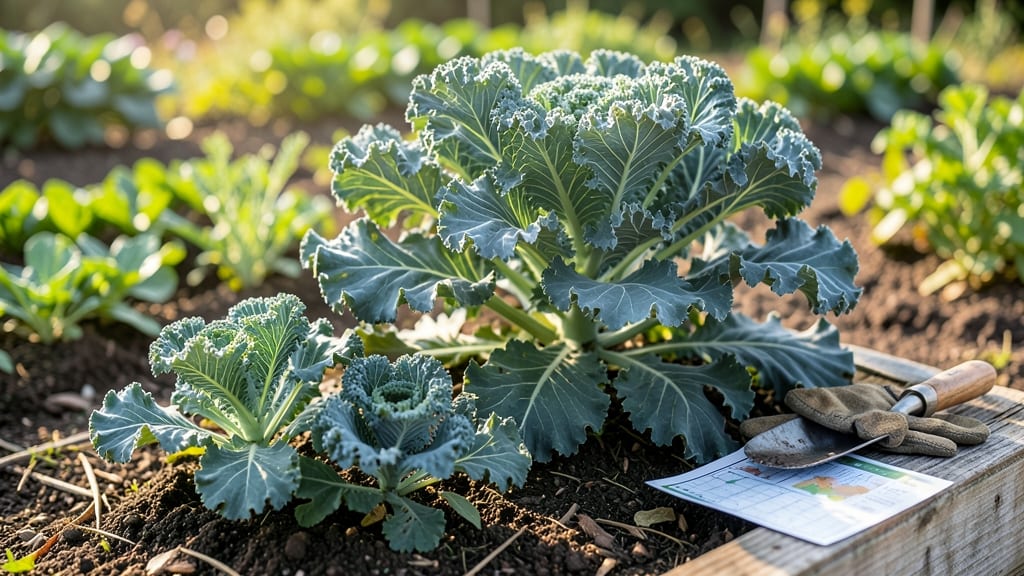
Planting brassicas 🥬 in Pennsylvania isn't just about grabbing seeds and sticking them in the dirt—it's about mastering the timing to outsmart frost, heat waves, and your own impatience.
One week too early, and your cabbage bolts before it matures; one week too late, and you miss the sweetest harvest of the season. Whether you're growing broccoli, kale, or Brussels sprouts, getting the planting window right means the difference between a thriving garden and a sad, wilted disappointment.
I've learned the hard way that Pennsylvania's 5b-7a zones play a huge role in when you can safely plant these cold-hardy (but not frost-proof) veggies. The key is understanding your last frost date—because while brassicas can handle light frosts, they'll bolt or rot if planted too soon.
For most of the state, that means starting seeds indoors 6-8 weeks before March 15 or waiting until soil warms to 40°F for direct sowing. But here's the catch: fall planting offers a second chance, and if you time it right, you can enjoy fresh greens well into November.
What if I told you there's a foolproof method to stretch your brassica harvests? It's all about succession planting—sowing new seeds every 2-3 weeks during the ideal windows of March 15-April 30 and August 1-September 15.
This way, you're never without fresh greens, and you can avoid the "all or nothing" trap of planting everything at once. Plus, I'll show you which varieties thrive in PA's climate and how to protect tender seedlings from late frosts or early heat.
Ready to transform your garden from "hit or miss" to "consistent harvests"? Let's break down the exact planting schedules, variety recommendations, and pro tips that have helped me (and thousands of other PA gardeners) grow brassicas like a seasoned expert.
No more guessing—just reliable, delicious results every time you reach for your garden shears.
PA brassica planting dates by hardiness Zone & frost risk
Pennsylvania's hardiness zones 4-7 create unique challenges for brassica growers. The key to success lies in understanding your last frost date and adjusting planting windows accordingly. In Zone 4, expect your last frost around May 15, while Zone 7 gardeners typically see frost-free conditions by April 15.
These variations mean your cabbage, broccoli, and kale planting schedule should shift based on where you live in the state.
Brassicas thrive when planted at the right time—too early and frost will damage tender seedlings, too late and you'll miss the optimal harvest window. For spring planting, aim to have transplants ready 3-4 weeks before your last frost date.
In fall, you can push planting later, but stop 6-8 weeks before your first frost to ensure mature plants before cold sets in. This guide breaks down the exact windows for each PA zone and popular brassica varieties.
| Zone | Last Frost | First Frost | Spring Direct Sow | Spring Transplant | Fall Direct Sow | Fall Transplant |
|---|---|---|---|---|---|---|
| 4 | May 15 | Oct 1 | Apr 1 - May 1 | Apr 15 - May 1 | Jul 15 - Aug 15 | Aug 1 - Sep 1 |
| 5 | May 1 | Oct 10 | Mar 20 - Apr 15 | Apr 1 - Apr 15 | Jul 1 - Aug 1 | Jul 15 - Aug 15 |
| 6 | Apr 15 | Oct 20 | Mar 1 - Apr 1 | Mar 15 - Apr 1 | Jun 15 - Jul 15 | Jul 1 - Aug 1 |
| 7 | Apr 1 | Nov 1 | Feb 15 - Mar 15 | Feb 20 - Mar 15 | Jun 1 - Jul 1 | Jun 15 - Jul 15 |
Notes: Direct sow for kale and Brussels sprouts. Transplant broccoli and cabbage for best results.
For Zone 4 gardeners, where frosts linger longer, focus on late-March to early-May planting for spring crops. Start Brussels sprouts early—they need a long growing season to mature. In Zone 7, you can begin as early as mid-February for transplants, giving you a head start on the season.
However, avoid planting heat-sensitive varieties like broccoli after mid-June, as summer heat will cause bolting.
Adjust your planting timeline if your spring arrives early or late. Use a frost calendar from your local Cooperative Extension office for precise dates. For example, if your area experiences an early spring, you might shift direct sowing 2 weeks earlier.
Conversely, a late spring could delay planting by 1-2 weeks without risking frost damage. Always monitor soil temperatures—brassicas prefer 40-85°F for optimal growth.
Fall planting offers a second chance for cold-hardy brassicas like kale and collards. In
Best brassica varieties for PA gardens & their ideal planting times
Pennsylvania’s variable climate demands smart brassica variety selection. Cold-hardy types like ‘Winterbor’ kale thrive in fall, while ‘Golden Acre’ cabbage handles summer heat better than most. I’ve tested these top performers across PA’s zones 5b-7a to give you precise planting windows that avoid frost damage and heat stress.
For spring planting, focus on varieties that tolerate cool soil temperatures (40°F+). In fall, prioritize cold-tolerant types that mature before first frost (mid-October). My top picks balance heat tolerance, cold hardiness, and fast maturation—critical factors for PA’s short growing season.
Rating Bar: PA Brassica Planting Suitability
‘Golden Acre’ cabbage is my go-to for summer planting (April 15–May 15). Its heat tolerance lets it mature before PA’s July heat waves peak. For fall harvests, I recommend ‘Winterbor’ kale—it thrives when planted August 1–September 15 and sweeten with frost, unlike heat-sensitive varieties like ‘Curly Blue’ kale.
Avoid ‘Blue Vantage’ broccoli for late summer—it bolts quickly in 90°F+ temperatures. Instead, opt for ‘Wylton’ broccoli, which handles 85°F better and matures in 60 days. Plant it March 15–April 30 for spring or August 1–September 1 for fall.
For Brussels sprouts, ‘Long Island Improved’ is the winner. Plant April 1–May 15 for a fall harvest—it needs 90–120 days to mature, so avoid late plantings. Pair it with ‘Ruby Streaks’ turnips for a dual harvest: pull turnips at 40 days, then let Brussels sprouts grow.
Pro tip: Use row covers to extend fall planting by 2–3 weeks. I’ve successfully grown ‘Red Russian’ kale until November 1 in zone 6 with lightweight fabric. Just remove covers before first frost to prevent overheating.