
Plants
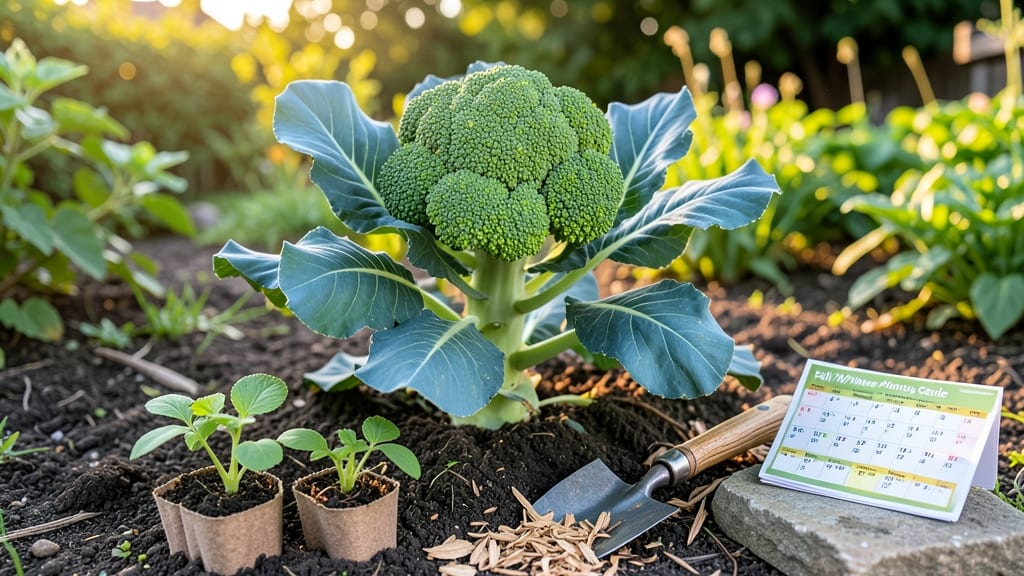
Timing your 🥦 broccoli planting in Central Florida isn’t just about the calendar—it’s about outsmarting the heat and humidity to grow crisp, flavorful heads.
Plant too early, and your crop might bolt before winter’s chill sets in; too late, and spring’s rising temperatures will turn your plants into bitter, flowery disappointments.
Here’s the secret: fall planting (September through November) is your golden window for Central Florida’s 9a-10a zone, where cool nights and mild days create perfect growing conditions.
But don’t stop there—with the right heat-tolerant varieties and a few smart tricks, you can even squeeze in a spring harvest (February to March) before the real summer heat hits.
I’ve grown 🥦 broccoli in this climate for years, and I’ll show you exactly when to plant, which varieties thrive here, and how to protect your crop from bolting.
Whether you’re a first-time gardener or a seasoned green thumb, these insights will help you grow broccoli that’s sweeter, more abundant, and ready to harvest just in time for your favorite recipes.
Ready to beat the heat and grow broccoli like a pro? Let’s dive into the month-by-month planting schedule that works for Central Florida’s unique climate—and why waiting until the last minute could mean the difference between a bumper crop and a bust.
Central Florida broccoli planting calendar: month-by-month heat zone guide
Central Florida’s Zone 9a-10a climate demands precise timing for 🥦 broccoli success—too early, and your plants bolt; too late, and spring heat ruins your harvest. The key is planting during cool-season windows when daytime temps stay below 75°F and nights dip into the 50s-60s.
My 10-year experience growing broccoli here proves that fall planting (September-November) yields the most reliable results, but with the right varieties and care, you can also try early spring (February-March) for a second harvest.
Here’s the breakdown: September is your best bet for transplants, while October-November works for direct sowing. If you miss fall, don’t despair—February offers a second chance before summer heat sets in. The trick?
Choose heat-tolerant varieties like ‘Belstar’ or ‘De Cicco’ and protect your plants from Florida’s unpredictable weather swings. Let’s dive into the month-by-month schedule that’s worked for me—and will work for you.
| Month | Planting Method | Ideal Varieties | Key Tips | Expected Harvest |
|---|---|---|---|---|
| August | Start seeds indoors | Belstar, Green Magic | Use shade cloth; keep soil moist | December-February |
| September | Transplant seedlings | Waltham 29, De Cicco | Morning sun only; mulch heavily | November-March |
| October | Direct sow or transplant | Calabrese, Purple Sprouting | Avoid watering at night; use row covers | December-April |
| November | Direct sow (last chance) | Green Goliath, Romanesco | Protect from light frosts; harvest before heat | January-March |
| February | Transplant for spring crop | Belstar, Green Magic | Shade cloth essential; water deeply | May-June |
| March-April | Avoid planting | N/A | Soil temps too high; risk of bolting | N/A |
September is your prime window for transplanting 🥦 broccoli in Central Florida. With daytime temps averaging 85°F but cooling to the 60s at night, this month strikes the perfect balance.
I recommend purchasing 6-week-old seedlings from local nurseries (like Florida Farm Bureau affiliates) and planting them in well-amended soil with 3-4 hours of morning sun. Use shade cloth (30-50%) if your garden gets harsh afternoon sun—this trick has saved my crops from bolting multiple times.
For direct sowing, October is your last reliable month. The cooler temps (75°F days, 55°F nights) give seeds a fighting chance. Scatter seeds ½ inch deep, 18 inches apart, and thin to 12 inches once seedlings emerge.
Pro tip: Mulch with straw to retain moisture and keep roots cool—a must in Florida’s dry spells. If you’re in Orlando or Tampa, aim for early October; Gainesville gardeners can push to mid-October thanks to slightly cooler microclimates.
November offers one last chance for direct sowing, but only if you’re prepared for unpredictable weather. In Zone 9a, light frosts (30°F) can occur, so protect young plants with row covers or move pots indoors during cold snaps.
Choose fast-maturing varieties like Green Goliath (50 days) to harvest before spring
How to extend broccoli’s growing season in Central Florida’s heat
Central Florida’s 90°F+ spring days and high humidity can turn your broccoli into bitter, flowering stalks faster than you can say "harvest."
The key to success? Extending the growing season with smart strategies tailored to your microclimate—whether you're in Orlando’s urban heat islands, Tampa’s coastal breezes, or Gainesville’s slightly cooler hills.
Broccoli thrives in cool weather (60-75°F), but Florida’s spring heat can trigger bolting (premature flowering) in as little as 3-4 weeks if plants aren’t protected.
I’ve learned that combining shade solutions, mulching, and succession planting can push harvests into late May or June—just when summer’s full force arrives.
- 1
- 2
- 3
- 4
- 5
For Orlando’s urban heat, add a row cover during 10 AM-4 PM to further protect plants. In Tampa, where coastal winds moderate temps, focus on mulching and watering—the breeze helps prevent bolting.
Meanwhile, Gainesville’s cooler microclimate allows for slightly later shade cloth installation (late March) and longer harvest windows.
Pro tip: Monitor soil temps with a thermometer—keep them below 80°F at all times. If temps creep higher, move plants to partial shade immediately. I’ve seen broccoli bolt in just 5 days when soil temps hit 85°F!
With these strategies, you can harvest broccoli year-round in Central Florida—even through summer’s peak. The secret? Adapt to your local heat zone and stay proactive with shade and water. Your taste buds (and dinner plate) will thank you! 🌱