
Plants
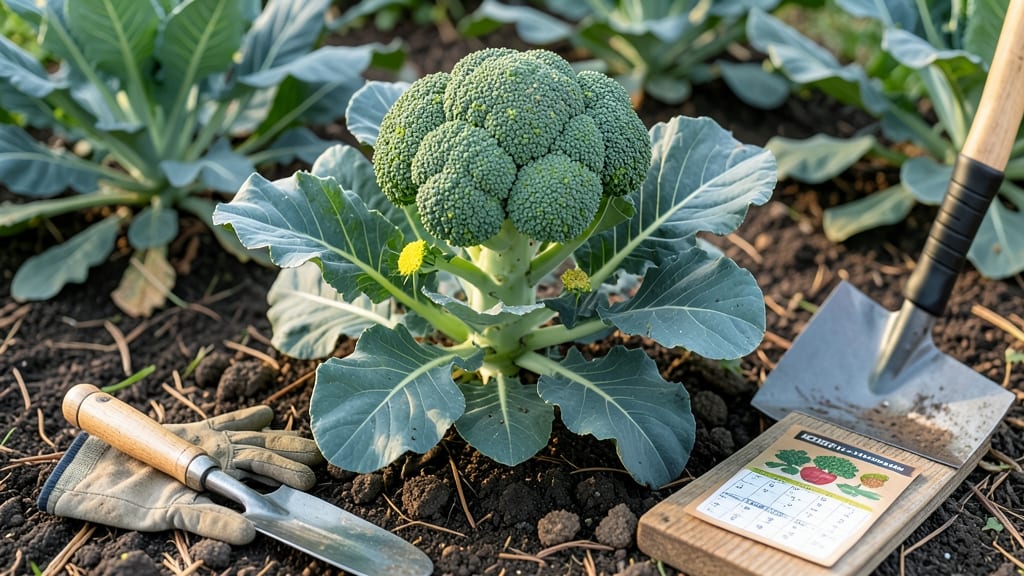
Planting broccoli in Kansas at the wrong time means either waiting forever for harvests or watching your plants bolt into bitter greens before they even form heads.
The key to success lies in understanding your specific county’s frost dates—because what works in Wichita won’t cut it in Kansas City, and neither will match Garden City’s drier climate.
With Kansas’ USDA zones 5b-7a and unpredictable weather swings, timing your 🥦 broccoli planting becomes less about calendar dates and more about reading your local microclimate. Too early, and a late frost will turn your seedlings into sad, stunted plants.
Too late, and summer’s heat will send your broccoli racing toward flower production before you’ve even tasted a single floret.
I’ve dug into county-specific data to give you the exact windows—spring and fall—for planting broccoli in Kansas, plus how to adjust for those unpredictable weather years.
Whether you’re starting seeds indoors or transplanting young plants, these insights will help you stretch your growing season and enjoy homegrown broccoli from May through October.
Ready to stop guessing and start growing? Let’s break down the best planting dates for your part of Kansas, plus pro tips to protect your crop from the state’s infamous weather whiplash. Your first crisp, homegrown head is closer than you think!
Kansas county-specific broccoli planting dates by last frost average
Kansas’ diverse climate—from the humid eastern regions to the drier western plains—means broccoli planting dates vary dramatically by county. In USDA Zones 5b-7a, timing your spring and fall plantings around the last frost is critical.
Miss the window, and you’ll either lose seedlings to frost or watch your broccoli bolt in summer heat. Let’s break down the best planting dates for Wichita, Kansas City, Topeka, and western Kansas to maximize your harvest.
Most Kansas gardeners aim for two main planting windows: early spring (March-April) and late summer (August-September). Spring plantings rely on soil temperatures warming to at least 45°F (7°C), while fall plantings need 90 frost-free days to mature.
Western Kansas, with its shorter growing season, often shifts to earlier spring starts or focuses on cold-hardy varieties.
Here’s a county-specific breakdown of when to plant broccoli in Kansas, accounting for average last frost dates and regional microclimates:
For eastern Kansas (Kansas City/Topeka), I recommend starting broccoli seeds indoors in late February to early March for transplanting after the last frost. The soil in these areas warms quickly, giving you a longer window to direct-sow in early April.
In contrast, western Kansas (Garden City/Hays) benefits from earlier starts—sometimes as early as March—to compensate for the shorter growing season.
Pro tip: Use row covers or cold frames to extend your spring planting window in colder zones like Zone 5b. This can push your first transplant date back by 2-3 weeks, giving you an earlier harvest. Just remove covers once plants are established to prevent overheating.
Fall plantings are trickier in Kansas due to unpredictable early frosts. In Zone 6a/6b, aim to sow seeds by mid-August for a late-September harvest. For Zone 5b, shift to July plantings and focus on fast-maturing varieties like ‘Waltham 29’ or ‘De Cicco’ to avoid bolting.
Always check the Kansas State University Extension or local weather forecasts for real-time updates, as frost dates can shift by 1-2 weeks annually.
A late frost in April or an early one in October can derail even the best-laid plans—so stay flexible and be ready to protect your plants with frost cloth if needed.
By following these county-specific guidelines, you’ll avoid the common pitfalls of Kansas gardening—frost damage and heat bolting—and enjoy a steady supply of homegrown bro
How to adjust broccoli planting for Kansas’ unpredictable weather patterns
Kansas’ weather can shift from freezing nights to 90-degree heatwaves in weeks, making broccoli planting a high-stakes game. The key is flexibility—adapting your schedule to protect your plants from late frosts in spring or premature bolting in summer.
My strategy? Plan for succession planting and use season-extending tools like cold frames and row covers to give your broccoli the best shot at success.
In eastern Kansas (like Kansas City), where humidity lingers, focus on heat-tolerant varieties like ‘De Cicco’ for fall plantings. Meanwhile, western Kansas (think Garden City) demands earlier starts to beat the shorter growing season.
The goal? Stagger your plantings so you’re harvesting fresh broccoli every few weeks instead of one big batch that bolts overnight.
Start 4-6 weeks before last frost
Use row covers or a cold frame to protect seedlings from late spring frosts (common in USDA Zone 5b). For western Kansas, aim for March 15 starts; eastern regions can wait until April 1.
Plant heat-tolerant varieties for summer
Choose ‘Waltham 29’ or ‘De Cicco’ for August-September plantings. These varieties handle warmer soils better than standard types. Water deeply in the morning to prevent bolting from stress.
Use succession planting every 2 weeks
Sow new seeds every 10-14 days from spring to early summer. This ensures a continuous harvest and reduces the risk of losing your entire crop to heat stress or pests.
Extend the season with row covers
Cover plants with floating row covers in fall to delay frost damage. Remove covers during the day to prevent overheating. This buys you 2-4 extra weeks of harvest time in USDA Zone 6-7 areas.
Don’t forget to mulch heavily to retain moisture during Kansas’ dry spells. Straw or shredded leaves work perfectly—just keep it 2-3 inches deep around the base of plants. This simple step can mean the difference between crisp, market-ready broccoli and bitter, stressed heads.
For western Kansas, where drought is a bigger threat, consider drip irrigation to deliver water directly to roots. Avoid overhead watering, which can spread fungal diseases like downy mildew—a common issue in Kansas’ humid summers.
Pro tip: Water at the soil level early in the morning to maximize absorption and minimize evaporation.
Finally, keep an eye on the weather forecast and adjust your schedule as needed. If a cold snap is predicted, rush to harvest or protect your plants with burlap sacks or plastic tunnels.
With these strategies, you’ll turn Kansas’ unpredictable weather into an advantage—harvesting homegrown broccoli for months instead of weeks. 🌱