
Plants
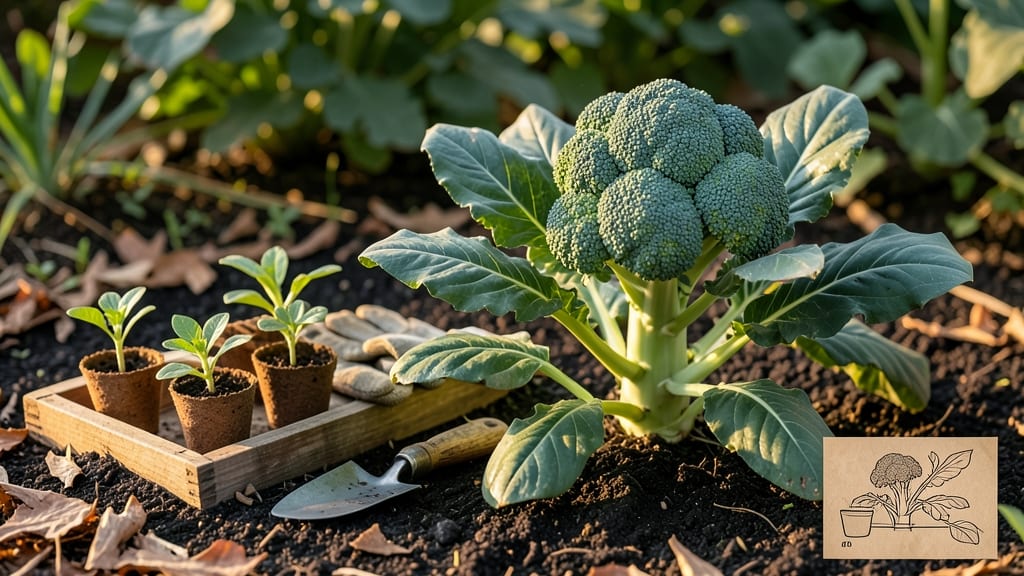
To plant broccoli in Massachusetts without losing your crop to frost or summer heat, timing is everything—especially in Zone 6a where last frosts linger until mid-April. I’ve learned the hard way that rushing seedlings too early or waiting too late can turn your garden dreams into a bitter disappointment.
The key? Start seeds indoors 4-6 weeks before your last frost date or transplant hardened-off plants in early spring.
But here’s the twist: Massachusetts gardeners also swear by a fall crop, planting in late summer for a harvest just before winter sets in. Whether you’re a beginner or a seasoned green thumb, mastering these windows means fresh, crisp 🥦 all season long.
Let’s break down the exact dates and strategies that work in your region—no guesswork, just results.
You don’t need a degree in horticulture to succeed. With the right soil prep, cold-hardy varieties, and a few pro tips, you can outsmart Massachusetts’ unpredictable weather.
I’ll show you how to time your plantings like a local expert, so you’re never left wondering if your broccoli will bolt or freeze before it’s ready.
Ready to grow broccoli that thrives from spring to fall? Let’s dive into the frost-date cheat sheet that’ll have your garden producing like never before—no more wasted seeds or missed harvests. Your table’s about to get a lot greener.
Massachusetts broccoli planting dates by hardiness Zone (5A vs 6A)
Massachusetts spans two USDA hardiness zones—5A (cooler) and 6A (warmer)—and each requires precise timing to grow broccoli successfully.
In Zone 5A (think North Shore, Worcester hills), average last frost dates arrive May 5-15, while Zone 6A (Western MA, Cape Cod) typically sees frost-free conditions by April 20-May 5. These differences mean your planting window shifts by 2-3 weeks, making zone awareness critical.
For spring planting, aim to transplant broccoli seedlings 4-6 weeks before your last frost date. In Zone 5A, that’s mid-March to early April, while Zone 6A gardeners can start as early as late February to mid-March.
Early starts help broccoli mature before summer heat triggers bolting—the process where plants send up flower stalks instead of forming heads.
Fall planting is equally time-sensitive. To harvest before winter frost, sow seeds or transplant 90-100 days before your first frost date.
In Zone 5A, that means late July to early August for a late October harvest. Zone 6A gardeners have slightly more flexibility, planting early to mid-August for harvests through November.
📅 Key Dates by Zone:
Microclimates within Massachusetts add another layer of complexity. Boston’s coastal zone (6A) often enjoys warmer springs and cooler summers than inland areas, allowing for earlier spring planting by 1-2 weeks.
Meanwhile, Western MA’s valleys (5A) can experience late spring frosts, so delay planting until after May 1 to avoid damage. Always check your local Cooperative Extension Service for hyper-local frost data.
For fall broccoli, prioritize cold-hardy varieties like ‘Waltham 29’ or ‘Calabrese’, which tolerate light frosts. If your fall crop bolts prematurely (common in Zone 6A’s warmer Septembersshade cloth to reduce heat stress.
In Zone 5A, where winters arrive earlier, consider row covers to extend the harvest window by 2-3 weeks.
Soil temperature matters just as much as air temperature. Broccoli seeds won’t germinate well in soil colder than 40°F. Use a soil thermometer to confirm readiness—wait until Zone 5A soils reach 45°F (late April) and Zone 6A soils hit 50°F (mid-April).
In cooler zones, start seeds indoors 6-8 weeks before transplanting to give seedlings a head start.
Adjust your planting schedule if you notice unpredictable weather patterns. For example, 2023’s late spring frosts in Zone 6A delayed planting by 3 weeks for many gardeners.
When in doubt, err on the side of planting later—broccoli grows faster in cool weather than in hot, humid summers, which can cause bitter flavors and poor head formation.
Pro tip: Succession plant every 2 weeks in spring and fall to ensure a continuous harvest. In Zone 5A, stagger plantings from March to May; in Zone 6AJune for a late-summer crop. This strategy maximizes your garden’s potential and reduces waste from bolting or disease.
Finally, remember that broccoli thrives in cool weather—avoid planting during July-August heat waves, even in Zone 6A. If you must plant in summer, choose shade-tolerant varieties like ‘De Cicco’ and provide afternoon shade with a lightweight row cover or cloche.
How to extend your broccoli harvest season in Massachusetts
Massachusetts gardeners know that broccoli thrives with precise timing—especially when you want to stretch your harvest from spring to fall. The key lies in succession planting and leveraging cold-hardy varieties that can handle MA’s unpredictable weather.
By planning strategically, you can enjoy fresh heads from May through November without the risk of bolting or frost damage.
Start by choosing fast-maturing varieties like 'De Cicco' or 'Waltham 29', which tolerate cooler temperatures better than heat-sensitive types. These varieties are perfect for fall planting because they mature quickly before the first frost.
Pair them with row covers to extend the season even further, protecting tender plants from light frosts while still allowing sunlight to penetrate.
Here’s how to maximize your harvest with proven techniques:
- 🌱 Spring Planting (March-April) – Start seeds indoors 4-6 weeks before last frost (around March 15) or transplant hardened-off seedlings by April 1. Use black plastic mulch to warm soil faster in cooler zones.
- 🌿 Succession Planting Every 2 Weeks – After your first harvest, sow new seeds every 14 days until June 15 to ensure a continuous supply. This works best with dwarf varieties like 'Calabrese' for smaller spaces.
- 🍂 Fall Planting (August-September) – For a late harvest, plant seeds 90-100 days before your first frost (aim for August 15). Choose cold-tolerant varieties and protect with floating row covers to shield from early frosts.
- 💧 Soil Prep for Long Harvests – Amend beds with compost and aged manure to retain moisture and nutrients. Test soil pH (6.0-7.0) and add lime if needed—broccoli hates acidic soil.
- ☀️ Sunlight and Spacing – Plant in full sun (6+ hours) with 18-24 inches between plants. Overcrowding leads to bolting and poor head formation, so give roots room to breathe.
Don’t overlook the power of mulching—a thick layer of straw or leaves keeps soil cool in summer and insulated in winter, preventing temperature swings that trigger bolting.
In Zone 5A areas (like Western MA), you might even get a second fall harvest if you plant early enough and protect seedlings with low tunnels when temperatures dip.
For urban gardeners with limited space, consider container growing. Use large pots (at least 12 inches deep) with well-draining soil and fertilize every 3-4 weeks to compensate for root restrictions. Just remember: broccoli in containers needs daily watering in summer heat to prevent stress.
With these techniques, you’ll turn your Massachusetts garden into a year-round broccoli powerhouse, enjoying homegrown harvests long after most neighbors have given up. The secret? Plan ahead, protect your plants, and keep sowing! 🥦