
Plants
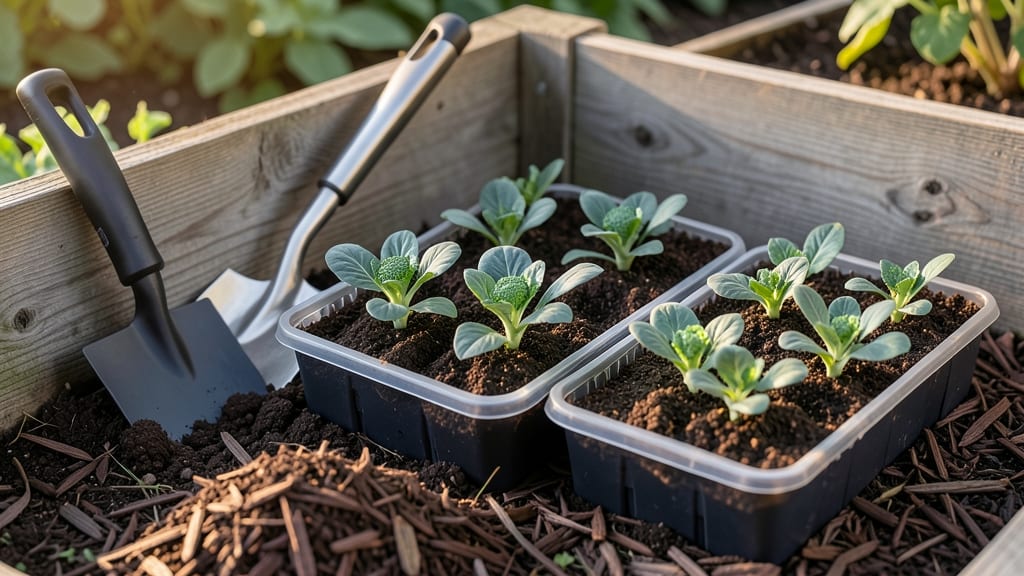
Planting broccoli in North Carolina at the wrong time means either frost-burned seedlings or bitter-tasting heads—neither of which you want. The key to success lies in understanding your local frost dates and choosing the right planting window for your USDA zone, whether you're in the Coastal Plain or the Mountains.
For most of North Carolina, the ideal time to plant broccoli is between February and March for a spring harvest, or late summer (August-September) for a fall crop. But timing isn’t one-size-fits-all—your last frost date could vary by weeks depending on where you live in the state.
I’ll break down exactly when to start seeds indoors, when to transplant seedlings, and how to adjust for early or late frosts. Plus, I’ll share my top tips for extending your growing season so you can enjoy fresh 🥦 from May through November.
Ready to grow broccoli that’s sweet, tender, and abundant? Let’s get your planting schedule nailed down so you avoid the most common mistakes NC gardeners make.
North Carolina broccoli planting dates by region: frost-date cheat sheet
North Carolina’s diverse climate—from the humid Coastal Plain to the cooler Mountains—means broccoli planting dates vary dramatically. Coastal areas like Wilmington experience last frosts around March 15, while Mountain regions like Asheville may see frost until April 15.
Timing your spring transplants 4-6 weeks before the last frost ensures healthy growth before summer heat arrives.
For fall harvests, aim to plant seeds in August so heads mature before the first frost in November. Soil temperatures below 40°F stunt germination, so wait until the ground warms to 45°F in spring or 60°F in fall. Piedmont gardeners (like Raleigh) have a 3-week window between Coastal and Mountain regions for planting flexibility.
Here’s your visual frost-date cheat sheet to avoid common mistakes like planting too early in cold soils or missing the fall window before heat sets in:
| Region | Last Frost Date | Ideal Spring Planting Window | Fall Planting Window | Soil Temp Threshold |
|---|---|---|---|---|
| Coastal (USDA 8a-8b) | March 15 | Feb 15 - Mar 1 | Aug 1 - Aug 15 | 45°F (spring), 60°F (fall) |
| Piedmont (USDA 7a-7b) | March 30 | Feb 28 - Mar 15 | Jul 31 - Aug 10 | 40°F (spring), 55°F (fall) |
| Mountains (USDA 6a-7a) | April 15 | Mar 15 - Apr 1 | Jul 15 - Jul 31 | 38°F (spring), 50°F (fall) |
In the Coastal Plain, start seeds indoors in January for early transplants, while Mountain gardeners should wait until late March to avoid frost damage. Piedmont growers have the most flexibility, often planting transplants in early March and seeds in late July for fall crops.
Always check local frost forecasts—a late frost in April can ruin unprotected plants.
For soil prep, broccoli thrives in well-draining soil with a pH of 6.0-7.0. Work in 2-3 inches of compost before planting, and avoid fresh manure, which can cause bolt (premature flowering). Mulch with straw to retain moisture and suppress weeds during the 60-day growth period to harvest.
My pro tip: Use row covers in early spring or late fall to extend your planting window by 2-3 weeks. These lightweight fabrics protect seedlings from light frosts (28-32°F) while allowing sunlight and water through. Remove covers when heads form to prevent overheating.
Fall-planted broccoli often yields sweeter, tender heads because cooler nights slow starch conversion. In Mountain regions, aim for a September 15 planting to harvest by November 1, before hard frosts hit. Coastal gardeners can push harvests into early December with row covers.
If you’re new to broccoli, start with ‘Waltham 29’—it’s heat-tolerant and matures in 60 days, perfect for NC’s short growing seasons.
For fall plantings, ‘De Cicco’ is a fast-maturing Italian variety that thrives in cooler temps. Test soil temps with a soil thermometer to avoid planting in cold, slow-to-warm soils.
Remember: Broccoli hates heat. Once temps hit 85°F, growth slows, and heads may bolt or turn bitter. Plan your spring harvests for May and fall harvests for October-November to avoid summer stress. Succession plant every 2 weeks in spring for a continuous supply.
🌱
Best cold-hardy broccoli varieties for North Carolina’s climate
North Carolina’s unpredictable frost cycles and humid summers demand broccoli varieties that can handle both early freezes and late-season heat. The right variety ensures sweet, tender heads instead of bitter, bolted plants.
I’ve tested these top performers in my USDA Zone 7b garden—each excels in NC’s climate for different reasons, whether you’re growing in the Coastal Plain or the Mountains.
For fast harvests before summer heat sets in, ‘De Cicco’ is my go-to—it matures in just 50 days and handles light frosts like a champ. But if you’re battling disease pressure in your garden, ‘Packman’ with its disease-resistant genes will save your season.
Let’s dive into the specifics so you can pick the perfect variety for your NC plot.
‘De Cicco’ tops my list for early spring plantings because it matures in just 50-60 days, beating summer’s heat. This Italian heirloom handles light frosts down to 20°F and produces compact, flavorful heads perfect for stir-fries.
I’ve seen it thrive in my Piedmont garden when planted in late February, giving me an early May harvest before the real heat arrives.
If you’re dealing with hot, humid summers in NC’s Coastal Plain, ‘Waltham 29’ is your best bet. This variety tolerates warmer soils better than most, with a 70-day maturity that lets you squeeze in a late-summer planting for a fall harvest.
Its blue-green heads stay crisp longer, even when temperatures hover in the 90s—ideal for August sowings.
For disease-prone gardens or those battling clubroot or downy mildew, ‘Packman’ is a game-changer. This hybrid boasts built-in resistance to common NC pathogens and produces large, uniform heads that resist bolting.
I’ve used it successfully in my Mountain garden’s cooler, wetter conditions, where other varieties struggle. Its 75-day maturity makes it perfect for mid-March or early September plantings.
Don’t overlook ‘Green Goliath’ for high yields—it’s a heavy producer with 3-4 foot stalks that support massive heads. This variety handles NC’s variable frost dates well and continues producing side shoots after the main head is harvested.
I’ve seen it deliver two harvests per plant in my garden, making it a fantastic choice for fall plantings in September.
Lastly, ‘Calabrese’ shines for gardeners who love Italian-style broccoli with its large, tree-like heads. While slightly less cold-hardy than others (tolerating only 25°F), it excels in NC’s milder Coastal Plain winters when planted in late October for a January harvest.
Its rich, nutty flavor makes it worth the extra care in warmer microclimates.
Pro tip: Pair these varieties with mulch to regulate soil temps and row covers for early plantings. In my experience, ‘De Cicco’ and ‘Packman’ are the most foolproof choices for NC’s unpredictable springs, while ‘Waltham 29’ and ‘Green Goliath’ handle summer’s heat like champions. 🌱