
Companion Plants
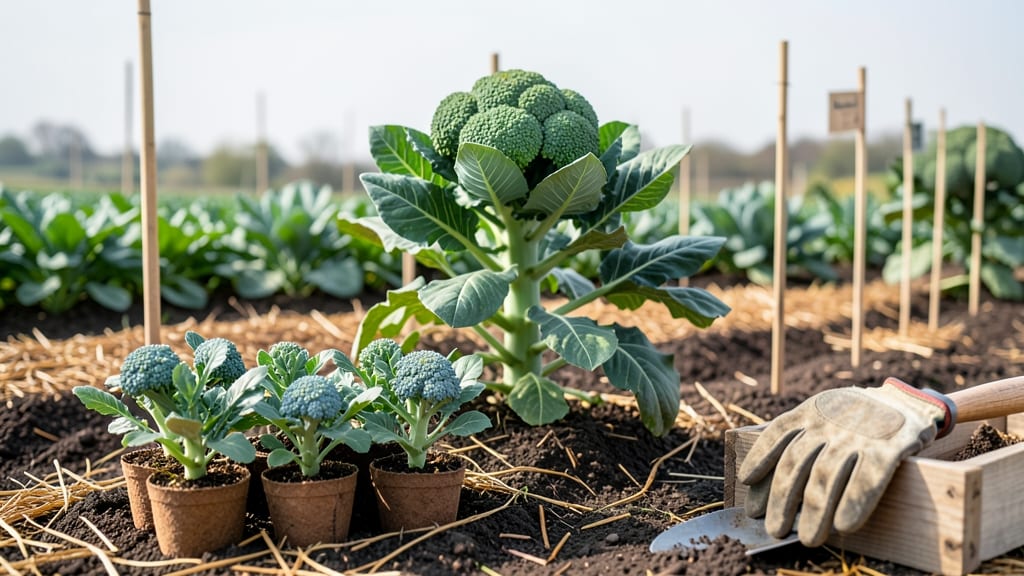
Planting broccoli 🥦 in North Carolina's fall season can feel like walking a tightrope—get the timing wrong, and you'll either watch your plants bolt before frost or struggle with stunted growth. The key to a successful harvest lies in understanding your local frost dates and adjusting your schedule accordingly.
Most NC gardeners know fall is the prime time for broccoli, but the exact window varies dramatically from the mountains to the coast.
If you plant too early in August, your broccoli might rush to flower before winter sets in, while waiting too long could leave you with tiny, bitter heads. The sweet spot? Aim for mid-August to early September transplants, giving your plants 60-80 days to mature before the first frost hits.
Why does this matter? Because broccoli thrives in cooler weather, and NC's mild fall climate gives it the perfect growing conditions—if you play it right.
I'll show you how to calculate your exact planting window using USDA frost maps and local microclimates, so you can avoid common mistakes and enjoy a bountiful harvest from October through December.
Whether you're a seasoned gardener or just starting out, these frost-date calculations will help you plan with confidence. Let's dive into the details so you can grow broccoli that's bold, beautiful, and bolting-free all season long.
NC fall broccoli planting dates by frost zone: avoid bolting before winter
North Carolina’s fall broccoli success hinges on one critical factor: frost timing. Unlike spring plantings, fall broccoli thrives when days grow shorter and cooler—but not too cool. The sweet spot?
Planting 60-90 days before your first frost ensures heads mature before winter’s chill triggers bolting. Miss this window, and you’ll either harvest tiny heads or watch your plants send up bitter flower stalks.
NC spans USDA zones 7a-8b, meaning frost dates vary wildly—from October 1 in the mountains to October 15 along the coast. Even within zones, microclimates matter: a sheltered valley might stay frost-free 2 weeks longer than a wind-exposed ridge.
To nail your planting dates, start with the USDA frost map and adjust based on your local history.
Here’s the golden rule: Count backward from your average first frost date minus 60 days for direct-sown seeds or 90 days for transplants. For example, if your frost date is October 15, your last transplanting window closes on August 26.
Seed-starting deadlines? Push them to July 20 for indoor starts, giving seedlings enough time to harden off before transplanting.
⚠️ Warning: Fall broccoli planted too early (before mid-August) often bolts from heat stress or day-length sensitivity. Varieties like ‘Waltham 29’ handle heat better than ‘Calabrese’, but even cold-hardy types need the right timing.
Use shade cloth (30-50%) if planting in late August to protect seedlings from 90°F+ days.
| USDA Zone | Avg. First Frost | Last Transplant Date | Seed-Start Deadline (Indoor) | Harvest Window | Microclimate Adjustment |
|---|---|---|---|---|---|
| 7a (Mountains) | October 1 | August 13 | July 15 | October–November | Plant 7–10 days earlier in valleys |
| 7b (Piedmont) | October 10 | August 22 | July 25 | October–December | Delay by 3–5 days in exposed areas |
| 8a (Coastal) | October 15 | August 26 | July 30 | November–January | Extend season with row covers |
| 8b (Southeast) | October 20 | September 1 | August 5 | November–January | Plant near south-facing walls |
For zone 7a gardeners in the mountains, aim to transplant by August 13—any later risks frost before heads mature. In zone 8b (e.g., Wilmington), you’ve got flexibility until September 1, but soil temps below 50°F slow growth.
Use a soil thermometer to confirm temps stay above 45°F for 7+ days post-transplant.
Pro tip: Succession plant every 3 weeks from mid-August to early September for staggered harvests. For example, plant half your seeds on August 15 and the rest on September 1—this spreads your harvest from October to December.
Just ensure the last batch finishes before hard frosts (<28°F), which damage even cold-hardy varieties.
Don’t rely solely on frost dates—watch your local weather patterns. In 2022, the Piedmont saw frost by October 5, two weeks early
Broccoli varieties that thrive in NC fall: cold-hardy picks for zero-bolt success
Choosing the right broccoli variety for NC’s fall season is your first line of defense against bolting. The wrong pick can leave you with bitter, small heads or plants that rush to flower before frost.
I’ve tested these top 5 cold-hardy varieties in my own garden, and they consistently deliver bold heads even when temps dip below 40°F. Each brings something unique—whether it’s disease resistance, large heads, or early maturity—to handle NC’s variable fall weather.
For gardeners in NC’s Piedmont and Coastal regions, where falls are milder, varieties like ‘Waltham 29’ and ‘De Cicco’ shine. They tolerate light frosts and produce tight, flavorful heads even when temps hover around 50°F.
Meanwhile, mountain gardeners should prioritize ‘Calabrese’ or ‘Green Magic’, which handle cooler nights and shorter days better than most. Let’s break down the best picks and their ideal planting windows.
| Variety | Days to Maturity | Cold Tolerance (°F) | Head Size | Ideal NC Planting Window | Disease Resistance |
|---|---|---|---|---|---|
| Waltham 29 | 55-65 days | 28-32°F | Medium (1-1.5 lbs) | Late Aug–early Sept | High (black rot) |
| De Cicco | 45-55 days | 25-30°F | Small (0.5-1 lb) | Mid-Sept–early Oct | Moderate (downy mildew) |
| Calabrese | 60-75 days | 20-25°F | Large (1.5-2 lbs) | Late Aug–mid-Sept | High (cabbage worms) |
| Green Magic | 50-60 days | 28-32°F | Medium (1-1.25 lbs) | Mid-Sept–late Sept | High (clubroot) |
| Packman | 55-65 days | 30-35°F | Large (1.5 lbs) | Late Aug–early Sept | Moderate (white rust) |
If you’re planting in NC’s Coastal Plain, where falls are warmer, ‘Waltham 29’ is my go-to. It matures quickly (55-65 days) and handles 28°F without bolting, making it perfect for late August starts.
The medium-sized heads (1-1.5 lbs) are ideal for families, and its high resistance to black rot means fewer headaches with NC’s humid falls. I’ve seen it thrive even when temps flirt with 80°F in early September, as long as you keep soil moist.