
Companion Plants
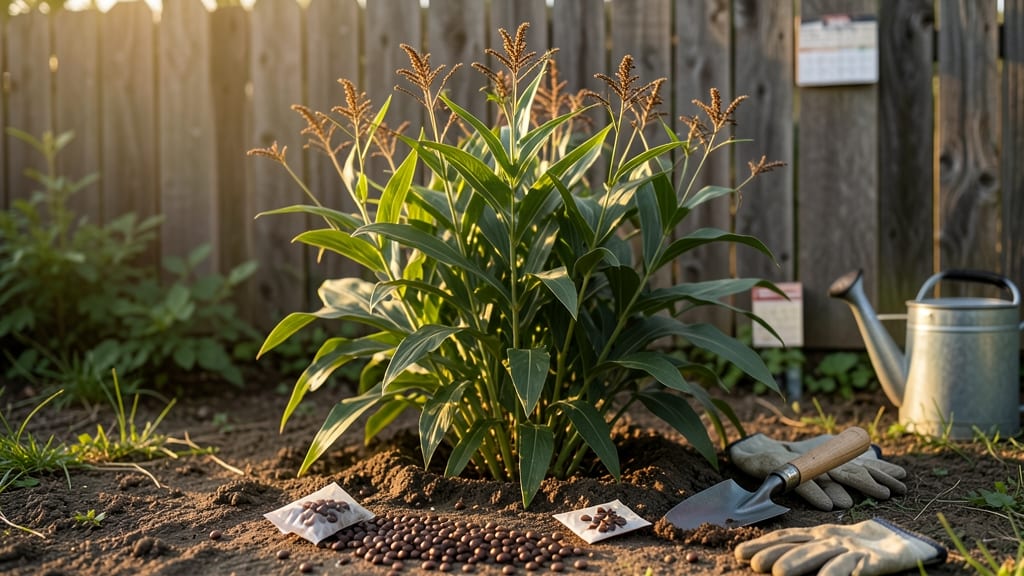
Planting brown top millet 🌾 for doves in Mississippi isn’t just about dropping seeds in the ground—it’s about timing it perfectly so your field becomes a dove magnet when they’re most desperate for food.
The right window means the difference between a bustling feeding area and a patch of wasted potential, especially when doves start migrating south in late summer.
Mississippi’s climate zones (7b-9a) give you a narrow but critical late spring to early summer window—typically April through June—to get your millet established before the heat peaks. Plant too early, and frost can still sneak in; too late, and your crop might mature just as doves lose interest.
The key is aligning your planting with soil temperatures of at least 60°F, ensuring strong germination before the dog days of summer.
Why does timing matter so much? Doves rely on food sources like millet during their southward migration, usually arriving in August and sticking around until winter.
A well-timed planting ensures your field is lush and ready to welcome them when they’re most hungry, giving you the best chance for successful hunting or wildlife observation.
In this guide, I’ll break down the exact months to plant based on your region in Mississippi, plus pro tips for soil prep, spacing, and variety selection to keep doves coming back. Let’s make sure your millet field is the one they can’t resist.
Optimal planting months for brown top millet in Mississippi’s climate zones
Mississippi’s diverse climate zones—North (Zone 7b), Central (Zone 8a), and South (Zone 9a)—each demand slightly different timing for planting brown top millet to avoid frost while maximizing dove forage.
The key is aligning your planting with soil temperatures of 60°F+ and frost-free periods that last at least 120 days.
In Northern Mississippi (Zone 7b), where frosts linger until mid-April, your planting window opens later than in warmer zones. Meanwhile, Southern Mississippi (Zone 9a) enjoys a longer growing season, allowing for more flexibility.
The goal? Plant early enough for peak seed production by September, when doves are most active.
Here’s the breakdown by zone, including soil temperature thresholds and frost risk dates to guide your schedule:
| Climate Zone | Last Frost Date | Ideal Planting Window | Soil Temp for Germination | First Frost Risk | Dove Forage Peak |
|---|---|---|---|---|---|
| North (Zone 7b) | Mid-April | Late April–Early June | 60°F+ (15°C) | Mid-November | September–October |
| Central (Zone 8a) | Early April | Early April–Mid-June | 60°F+ (15°C) | Late November | September–November |
| South (Zone 9a) | Late March | March–July | 60°F+ (15°C) | Early December | August–December |
For Northern Mississippi, aim to plant by June 1st to ensure seeds mature before the first frost. In Central Mississippi, you have a 2-week buffer—planting as late as mid-June still allows for harvest by late fall.
Meanwhile, Southern Mississippi gardeners can push planting into early July for a late-season forage boost.
Adjust your schedule if you notice unusually cool springs. Use a soil thermometer to confirm temperatures—brown top millet won’t germinate below 55°F (13°C), but 60°F+ (15°C) is ideal for consistent sprouting. Planting too early in cooler zones risks stunted growth or even death from late frosts.
Pro tip: Stagger your planting by 2–3 weeks in larger fields. This creates a continuous forage supply for doves, extending their stay in your area. For example, plant half your seed in May and the rest in early June—this ensures peak seed availability from late August through October.
Mississippi’s humid summers can also impact germination. If planting in July or August, prioritize well-drained soil and avoid waterlogged areas to prevent seed rot. A light pre-planting irrigation (1 inch of water) 24 hours before sowing helps kickstart germination in dry spells.
Finally, don’t overlook post-planting care. Once seeds sprout, maintain 1–2 inches of mulch to retain moisture and suppress weeds. Brown top millet thrives in full sun, but light shade during peak summer heat (afternoon sun) can prevent seed heads from drying too quickly.
By following these zone-specific guidelines, you’ll create a reliable dove forage field that aligns with migration patterns and hunting seasons—ensuring your efforts pay off with healthy, well-fed doves all fall and winter. 🌾
How to time your planting for peak dove foraging activity
Doves in Mississippi follow predictable migration patterns, arriving in late summer and staying through winter. To maximize their visits, your brown top millet must be ready when they arrive—typically September through January.
The key is planting varieties that mature just as doves arrive, ensuring a continuous food source throughout their stay.
Timing isn’t just about when you plant—it’s about staggering plantings to create a rolling harvest. By planting different sections of your field at 2-3 week intervals, you’ll extend the window when doves can feed.
This strategy works especially well in Mississippi’s USDA zones 7b-9a, where mild winters and long growing seasons allow for flexibility.
Here’s how to align your planting schedule with dove behavior and Mississippi’s climate for maximum success:
- 1 First Planting (Mid-May to Early June): Plant fast-maturing varieties like BTx623 to ensure seed heads are ready by late August, when early migratory doves arrive.
- 2 Second Planting (Early to Mid-June): Use medium-maturing varieties like Crimson Glory for a September harvest, aligning with peak dove migration.
- 3 Third Planting (Late June to Early July): Plant slower varieties for a late October harvest, ensuring food is available as doves settle into winter.
Mississippi’s hunting season runs from September 1 to January 31, so your goal is to have mature millet seed heads available starting in late August.
Doves rely on these seeds when natural forage is scarce, so overlapping plantings create a buffet effect, drawing more birds to your field. Aim for at least 3-4 weeks of continuous seed availability during peak hunting months.
Don’t forget to monitor seed maturity closely. Harvest or allow seeds to dry on the stalk just before they shatter—this ensures doves have access to fresh food. In Mississippi’s climate, brown top millet typically matures in 60-90 days, depending on the variety and planting date.
Adjust your schedule based on local weather patterns, especially if unseasonably cool temperatures delay growth.
By following this staggered approach, you’ll transform your field into a dove magnet during hunting season. The result? More birds, better hunting opportunities, and a thriving ecosystem. Plus, you’ll enjoy the satisfaction of growing food that supports wildlife—all while timing your plantings perfectly for Mississippi’s unique climate.