
Plants
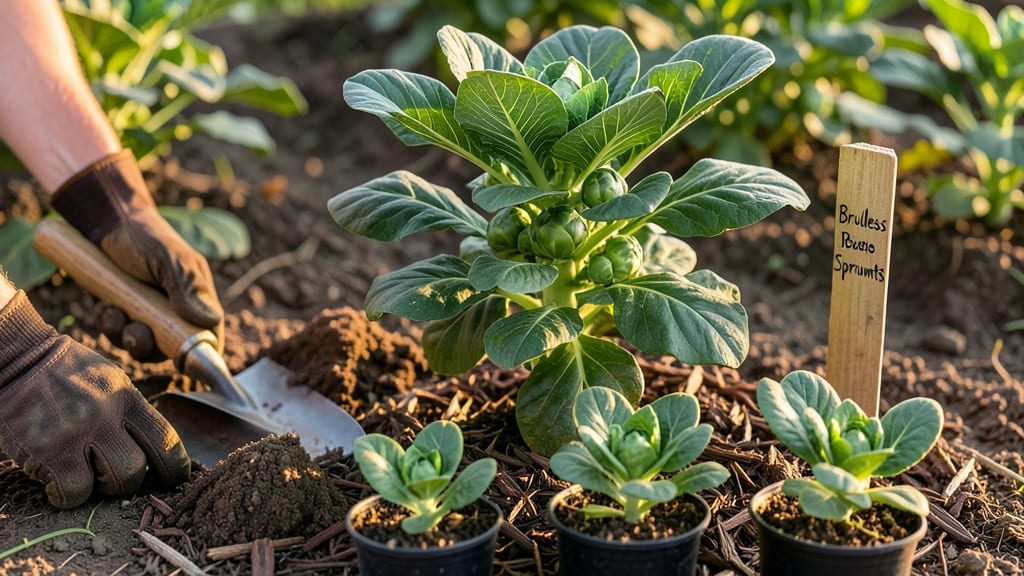
Planting Brussel sprouts 🥦 in Indiana isn’t just about timing—it’s about outsmarting the weather before it outsmarts you. Skip the wrong window, and you’ll spend fall staring at sad, stunted plants instead of a harvest of crisp, flavorful bites.
The key? Start them 8-10 weeks before your last frost—that’s late March to mid-April for spring crops or early August to late August for fall harvests.
Why does this matter? Because Brussels sprouts are cool-season powerhouses that need 90-120 frost-free days to mature. Plant too early in Indiana’s USDA Zone 6a, and they’ll bolt before winter. Too late, and they’ll struggle to bulk up before the first hard frost hits around October 15.
Get it right, though, and you’ll enjoy harvests from October to February—no greenhouses required.
Here’s the game-changer: whether you’re direct-sowing seeds or transplanting starts, the goal is the same—beat the clock. I’ll walk you through the exact dates, soil prep tricks, and even which varieties hold up best in Indiana’s unpredictable swings.
Ready to turn your backyard into a zero-frost bounty? Let’s dig in.
From spacing secrets to frost-proof strategies, you’ll learn how to maximize your yield without guessing. No more wasted seeds or half-hearted harvests—just a clear roadmap to crisp, homegrown Brussels sprouts that’ll make your dinner table the envy of the neighborhood.
Indiana’s ideal planting windows for Brussels sprouts: direct sow vs transplant timing
Brussels sprouts thrive in Indiana’s cool-season climate, but getting the timing right means the difference between a bountiful harvest and a disappointing one.
Since Indiana falls in USDA zones 5-6, with average last frost dates around April 15 and first frosts by October 15, you’ve got two prime planting windows: spring for fall harvests or early summer for winter harvests.
Each method has its own sweet spot to avoid bolting or stunted growth.
Direct sowing in late summer is my go-to for fall harvests because it lets the plants mature through cool autumn nights—the secret to their sweetest flavor.
Meanwhile, transplanting in early spring gives you a head start on the growing season, but requires careful timing to avoid late frost damage. Let’s break down the exact windows and what to watch for in each approach.
For direct sowing in late summer, aim to have your Brussels sprouts established by mid-August. This gives them enough time to grow through Indiana’s cool autumn nights, which actually sweeten the flavor.
If you miss this window, your plants may not mature before the first hard frost, leaving you with small, bitter sprouts. I’ve found that ‘Ruby Ball’ and ‘Long Island Improved’ are the most reliable for direct sowing because they tolerate short growing seasons.
When transplanting in spring, timing is critical to avoid late frost damage. Wait until after April 15—the average last frost date—but don’t delay too long, or your plants will struggle to mature before winter.
A trick I use is to plant a few extra seeds in early April under row covers as insurance. If frost hits, you can remove the covers and let the plants recover once temperatures rise.
If you’re transplanting for a fall harvest, mid-July is your last chance to get plants in the ground. By this time, the summer heat has passed, and the soil is still warm enough to support growth.
I recommend using black plastic mulch to keep the soil warm and straw mulch later in the season to protect against early frosts. This method lets you harvest through December, when most gardeners have already packed up their tools.
One common mistake I see is overestimating the growing season. Brussels sprouts need 90-120 days to mature, and Indiana’s short autumn can cut that window short. To hedge your bets, I always plant two successions: one in early August and another in mid-August.
This way, if the first batch gets hit by an early frost, the second one might still yield a decent harvest
How to adjust planting dates for Indiana’s unpredictable weather: a frost-proof strategy
Indiana’s weather can shift faster than a summer storm, leaving gardeners scrambling to protect their Brussels sprouts from unexpected frosts. The key to success lies in flexibility—adjusting your planting schedule based on microclimates and using season-extending tools like row covers.
Urban areas often experience warmer microclimates due to concrete and buildings, while rural spots can plunge into frost sooner. I’ve learned to hedge my bets by planting early-maturing varieties and monitoring local forecasts closely.
For urban gardeners, the last frost typically arrives 1-2 weeks later than rural areas, giving you a slightly longer window to plant. In contrast, rural gardeners should start 2 weeks earlier to account for colder nights.
Both groups benefit from row covers or cold frames, which can push back the first frost by 2-4 weeks—a game-changer for late-season harvests. I’ve even used black plastic mulch to warm the soil faster in spring, helping seedlings establish sooner.
- Urban Areas: Plant ‘Ruby Ball’ 2 weeks after rural dates—warmer microclimates delay frost by 7-10 days.
- Rural Areas: Start ‘Long Island Improved’ by April 1 to ensure harvest before October 15 frost.
- Row Covers: Use floating row covers to extend harvest by 3-4 weeks—remove during day, replace at night.
- Soil Warmth: Test soil temperature—Brussels sprouts need 45°F+ to germinate; use black plastic mulch to warm soil faster.
- Frost Dates: Check Almanac frost predictions and adjust planting by ±1 week for safety margins.
Another trick I’ve used is succession planting—sowing seeds every 2 weeks from late July through August. This ensures a staggered harvest, reducing the risk of losing your entire crop to a single frost.
For example, if your first planting gets hit by an early freeze, the second batch might still yield 1-2 weeks of sprouts. Pair this with cold-hardy varieties like ‘Jade Cross,’ which tolerates light frosts better than most.
Don’t overlook the power of mulching. A thick layer of straw or leaves insulates the soil, keeping roots 5-10°F warmer than ambient temperatures. I’ve seen this extend the growing season by 2-3 weeks in my garden.
Combine mulch with drip irrigation to maintain consistent moisture—Brussels sprouts hate dry spells, which can cause bitter-tasting sprouts or bolting.
Finally, keep an eye on local weather patterns. Indiana’s weather can be as unpredictable as a toddler’s mood, so I’ve started using a garden journal to track frost dates, planting success, and harvest timelines.
Last year, my August 15 planting thrived because we had an unusually warm September, while my neighbor’s August 1 planting struggled due to a late frost. The lesson? Stay flexible and be ready to adapt your strategy mid-season.
With these adjustments, you’ll turn Indiana’s unpredictable weather into an advantage—harvesting crisp, flavorful Brussels sprouts even when your neighbors are still dreaming of summer. 🥦