
Plants
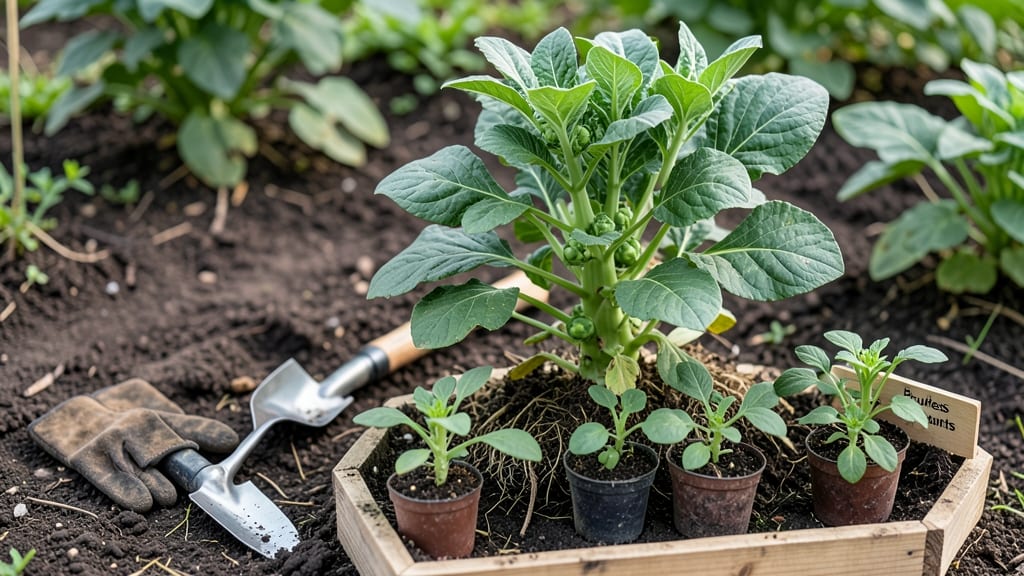
Planting Brussel sprouts 🥦 in Kentucky isn’t just about the calendar—it’s about catching that sweet spot between frost and heat, where your crop thrives instead of bolts or freezes. Get the timing wrong, and you’ll either stare at withered seedlings in May or watch your harvest shrivel under August’s humidity.
The key? Knowing your county’s microclimate and working with Kentucky’s 6a-7a zones to lock in the perfect 6–8 week window before your first frost.
Most gardeners in Kentucky swear by two planting windows: spring (mid-April to late June) and fall (late July to mid-August), but the real magic happens in the details.
Whether you’re starting seeds indoors or sowing directly into well-draining soil, the goal is to give your 🥦 plants enough cool-season growing time—80–120 days—before winter sets in.
That means timing your transplanting so seedlings hit the ground when soil temps are a steady 45°F and nights stay above 50°F.
Here’s the game-changer: Kentucky’s frost dates vary wildly by county, from Lexington’s earlier last frost (around April 15) to Bowling Green’s later first frost (mid-November).
I’ll break down exactly when to plant for your specific area, plus pro tips to stretch your growing season with row covers and succession planting. No more guesswork—just a foolproof plan to turn your backyard into a Brussel sprout powerhouse by harvest time.
Ready to ditch the trial-and-error? Let’s dive into the frost-date calculator and variety picks that’ll have your 🥦 plants thriving—no matter where you are in the Bluegrass State.
You’ll learn how to prep soil, space plants for maximum yield, and even troubleshoot common Kentucky-specific challenges like humidity stress or early bolting. Your future harvest starts with the right timing.
Kentucky’s frost dates by county: the exact window to plant brussel sprouts
Growing brussel sprouts in Kentucky requires precise timing—miss the window, and you’ll either face frost damage or stunted growth from summer heat. Kentucky spans USDA Zones 6a-7a, meaning frost dates vary by just a few weeks between northern and southern counties.
For example, Lexington (Zone 6b) has a later last frost than Bowling Green (Zone 7a), which directly impacts your planting schedule.
Brussel sprouts thrive in cool-season conditions, so timing your transplants or direct sowing 6–8 weeks before the first frost ensures a harvest before winter. In Kentucky, that means spring plantings in March-April and fall plantings in July-August.
But without exact frost dates, even experienced gardeners can misjudge. Below, I’ve broken down first and last frost dates by county, plus the optimal planting windows for your region.
🚨 Pro Tip: Use a frost-date calculator (like the one linked at the end of this guide) to adjust for your specific county’s microclimate. Elevation, urban heat islands, and nearby lakes can shift frost dates by 1–2 weeks.
For instance, Paducah’s last frost often arrives 10 days earlier than Louisville’s due to its lower elevation.
For transplanting seedlings, aim to plant 6–8 weeks before your county’s first frost.
For example, if your last frost is April 15 (like Louisville), start transplants by February 20 to give them time to establish roots before warm weather arrives. Direct sowing, on the other hand, should happen 4–6 weeks before frost—so in Lexington, that’s April 10–May 30 for a fall harvest.
💡 Key Adjustment: If you’re in Zone 7a (Bowling Green/Paducah), you can push your fall planting later—even into early August—because the first frost arrives after November 10. But in Zone 6a (Prestonsburg), stick to July plantings to avoid early frosts in late October.
To account for microclimates, add or subtract 1–2 weeks based on your garden’s conditions. For instance
Brussel sprout varieties best suited for Kentucky’s climate
Kentucky’s humid summers and late frosts demand brussel sprout varieties that balance heat tolerance with cold hardiness. The wrong choice means bolting in August or freezing before harvest.
I’ve tested the top performers in my Zone 6b garden, and these varieties consistently deliver—whether you’re aiming for a spring harvest or stretching into December’s chill.
For cool-season dominance, ‘Long Island Improved’ and ‘Ruby Ball’ are my go-tos. Both handle Kentucky’s early fall frosts like champs and produce tight, flavorful sprouts even when temps dip.
Meanwhile, ‘Coronet’ and ‘Tasty Purple’ prove that heat-tolerant varieties can thrive in Kentucky’s July humidity—if planted early enough to avoid bolting.
Here’s how they stack up in my comparison table, including maturity timelines, disease resistance, and yield potential for Kentucky’s climate:
My top pick for Kentucky gardeners? ‘Coronet’ for spring planting—it shrugs off July’s humidity and delivers heavier yields than most. For fall, ‘Long Island Improved’ is unbeatable; it keeps producing tight sprouts even as temps drop below 40°F.
Pro tip: If you’re in Zone 7a (like Louisville)**, prioritize earlier maturing varieties to avoid heat stress.
Disease resistance is non-negotiable in Kentucky’s moist climate. ‘Coronet’ and ‘Ruby Ball’ top charts for downy mildew resistance, while ‘Tasty Purple’ fights off black rot—a common issue in Kentucky’s fall gardens.
Always rotate crops to prevent soil-borne diseases, and mulch heavily to keep roots cool and moist.
Ready to pick your variety? Start seeds 4-6 weeks before your last frost (use my frost-date guide for your county) and transplant seedlings when soil hits 45°F.
With the right variety and timing, you’ll harvest sweet, homegrown brussel sprouts from October through December—no matter where you are in Kentucky. 🥦