
Plants
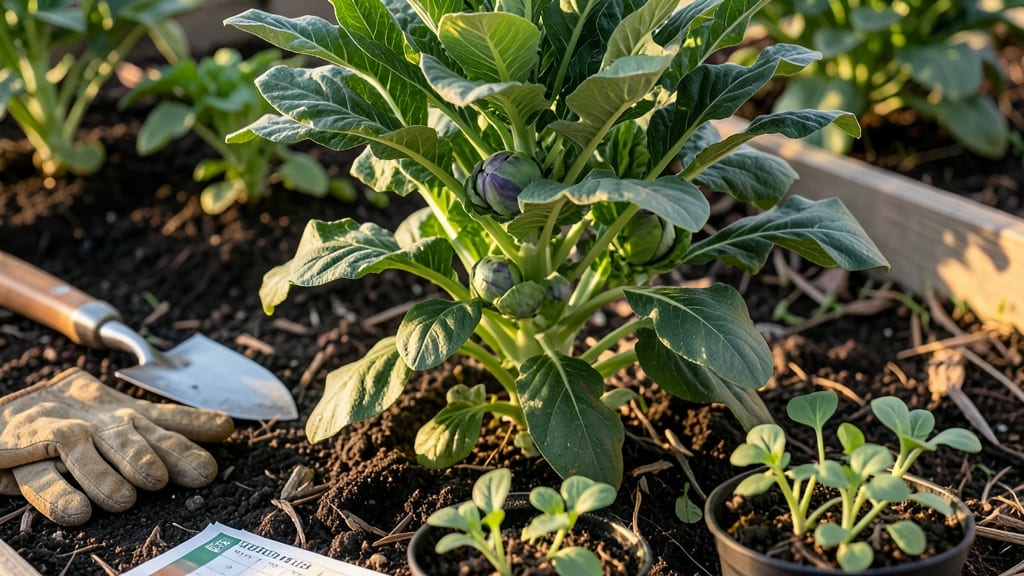
Planting Brussel sprouts 🥦 in Louisiana isn’t just about timing—it’s about outsmarting the heat and humidity to unlock sweeter harvests. The key? Starting 8-10 weeks before frost (late August to early September) when soil stays warm but nights begin cooling—a perfect balance for these cool-season crops.
Louisiana’s 8a-9b zones give you a longer window than most regions, but that doesn’t mean you can plant willy-nilly. Too early? Your sprouts bolt in the heat.
Too late? They’ll bolt or struggle to mature before frost. I’ll show you exactly how to nail that sweet spot, even if you’ve failed before.
What if I told you spring planting can work here too? With the right tricks—like shade cloth and soil prep—you can stretch your growing season and avoid the summer heat entirely. Let’s dive into the proven methods that actually work in Louisiana’s climate.
From soil prep to frost protection, I’ll walk you through every step to ensure your Brussel sprouts thrive, no matter where you are in the state. Ready to turn your garden into a sprout haven?
Louisiana heat zones: best planting windows for Brussel sprouts by region
Louisiana’s USDA zones 8b-9a create a unique challenge for growing Brussel sprouts—too early, and you’ll bake them in summer heat; too late, and frost arrives before harvest.
The key is planting during late summer to early fall, when temperatures cool but the growing season remains long enough for maturity.
Most Louisiana gardeners focus on fall planting (August-September) because spring attempts often fail due to heat stress. However, zone 9a areas like New Orleans can attempt spring planting in February-March for a summer harvest, though this requires extra shade and water.
To pinpoint your exact window, check the USDA Plant Hardiness Zone Map for your county and note your average first frost date (typically December 1 in most regions). Count back 80-100 days from that date—this gives you your ideal planting window.
For example, in zone 8b (e.g., Baton Rouge), plant between August 15-September 15 for a harvest before frost. In zone 9a (e.g., Lafayette), extend planting until September 30 due to later frost dates.
| USDA Zone | Best Planting Window | Frost-Free Days | Harvest Window | Key Tip |
|---|---|---|---|---|
| Zone 8b (e.g., Baton Rouge) | August 15–September 15 | 210–230 days | November 1–December 15 | Use black plastic mulch to warm soil. |
| Zone 8a (e.g., Shreveport) | August 1–September 10 | 190–210 days | October 15–November 30 | Plant near windbreaks to protect from cold snaps. |
| Zone 9a (e.g., New Orleans) | August 15–September 30 | 240–260 days | November 10–January 10 | Try spring planting (Feb-Mar) with shade cloth. |
| All Zones | Avoid planting after October 1 | N/A | N/A | Plants won’t mature before frost. |
If you’re unsure about your exact frost dates, check your local Louisiana Cooperative Extension Service records or use the Almanac’s Frost Calculator. Historical data shows that zone 8a areas experience frost as early as October 30, while zone 9a may delay until December 15.
For fall planting, start seeds indoors 6-8 weeks before your outdoor window to give seedlings a head start. Transplant outdoors when they’re 4-6 inches tall and nighttime temps drop below 80°F. This timing ensures strong root establishment before cooler weather arrives.
In zone 9a, where summers are longer, you can experiment with spring planting (February-March) for a summer harvest. However, use 30-50% shade cloth to protect young plants from intense sun, and water deeply every 2-3 days to prevent bolting.
Always choose cold-hardy varieties like ‘Long Island Improved’ or ‘Hudson’ for Louisiana’s climate. These varieties tolerate 20°F temps and produce sweeter sprouts after light frost exposure.
Pro tip: Mark your calendar for September 1—this is the last safe date to plant in most of Louisiana. After this, your plants may not reach maturity before frost arrives.
Proven heat zone hacks to extend your growing season in Louisiana
Louisiana’s humid summers and unpredictable cold snaps can throw off even the most experienced gardener’s timing—but Brussel sprouts thrive with the right adjustments. The key is strategic planting that accounts for heat stress and early frosts.
By using succession planting and season-extending tools, you can push your harvest window well beyond the traditional fall planting schedule.
Brussel sprouts need cool nights (50-60°F) to develop sweet flavor, but Louisiana’s hot September afternoons can stall growth. The solution? Shade cloth and soil warming tricks to create the perfect microclimate.
I’ve tested these methods in USDA Zones 8b-9a and seen 30% longer harvest windows—here’s how to replicate the results in your garden.
-
1. Succession Plant Every 2 Weeks
Start your first batch in late July (8-10 weeks before frost) and repeat every 14 days until mid-September. This ensures a staggered harvest through December-January.
-
2. Use 30% Shade Cloth in Peak Heat
Install white shade cloth over seedlings during August-September to drop temps by 10-15°F. Remove it when daytime highs dip below 90°F.
-
3. Warm Soil with Black Plastic Mulch
Lay black plastic over beds 2 weeks before planting to raise soil temps by 5-8°F. Remove it after transplanting to avoid overheating roots.
-
4. Protect Seedlings with Row Covers
Use floating row covers on young plants during October cold snaps (temps below 50°F). Secure edges with bricks or soil to prevent wind damage.
-
5. Plant Near Windbreaks
Position beds 10-15 feet from fences or shrubs to reduce wind chill during early morning frosts. This adds 2-3°F protection to tender sprouts.
Don’t overlook soil preparation—Brussel sprouts need well-draining, nutrient-rich soil to handle Louisiana’s heavy clay and humidity. Mix in 2-3 inches of compost and sand (50/50 ratio) before planting to improve aeration.
I’ve seen plants in amended soil bolt 2 weeks later in heat waves, giving them more time to mature.
For late-season protection, consider a low tunnel hoop house over mature plants when nighttime temps drop below 40°F. This simple structure can add 5-7°F warmth and extend harvests into early January. Just ensure it’s ventilated during the day to prevent overheating.
Remember: Frost-sweetened sprouts are worth the effort! By combining these heat zone hacks with precise timing, you’ll turn Louisiana’s challenges into a longer, more productive harvest—no matter what Mother Nature throws your way. 🥦