
Plants
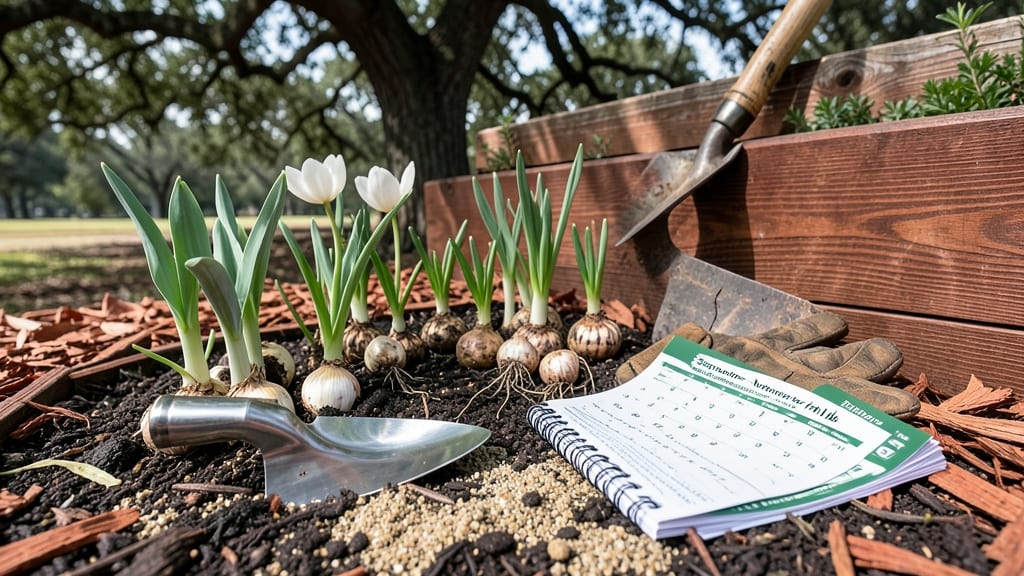
Planting bulbs in Florida isn’t just about timing—it’s about beating the heat and humidity while avoiding the rare frost that can sneak into North Florida.
Unlike cooler climates, your 🌷 bulbs thrive when planted in September–November or January–February, giving them a head start before the dog days or summer’s relentless sun.
Skipping the right window means struggling with weak blooms or bulbs that never even sprout. I’ve seen firsthand how a single month’s difference can turn a vibrant garden into a flop—especially in Florida’s 9a–11 zones, where frost is a rare but real threat in the Panhandle.
What if I told you the secret isn’t just when you plant, but how you prep the soil and adjust for your exact corner of the state?
From North Florida’s cooler pockets to South Florida’s frost-free paradise, I’ll break down the exact strategies to guarantee your bulbs burst into color—no guesswork, just results.
Ready to transform your yard into a year-round bulb oasis? Let’s dive into the heat-zone map and planting hacks that’ll make your neighbors green with envy.
Florida heat zones explained: the best months to Plant bulbs by region
Florida’s unique climate—with its 11 distinct heat zones—means traditional bulb planting advice just won’t cut it. Unlike northern states, where fall planting before frost is key, Florida’s warm winters and humid summers require a completely different approach.
Understanding your specific heat zone (A1-B3) helps you time bulb planting for optimal blooms without risking rot or dormancy issues.
Most of Florida is frost-free year-round, but temperature fluctuations still matter. For example, Zone 8A in North Florida (like Jacksonville) may see light frosts in December, while Zone 10B in South Florida (like Miami) stays above 60°F year-round.
This means bulbs like tulips or daffodils—traditional cool-season plants—won’t survive long in Zone 11, but rain lilies or cannas thrive there year-round.
Here’s the critical rule: Plant bulbs when soil temperatures drop below 80°F but stay above 50°F. This window shifts from September-October in North Florida to January-February in South Florida.
Let’s break it down by zone to avoid common mistakes like overwatering in summer or planting too early in heat.
| Heat Zone | Avg. Winter Low | Best Planting Month | Ideal Bulbs | Avoid Planting |
|---|---|---|---|---|
| A1 (Key West) | 65°F+ | January-February | Rain Lilies, Spider Lilies, Canna | Tulips, Hyacinths |
| A2 (Miami) | 60°F+ | December-January | Dahlias, Caladiums, Amaryllis | Daffodils (needs cooler temps) |
| B1 (Orlando) | 45°F-55°F | September-October | Tulips, Crocus, Iris | None (all-year options) |
| B2 (Tampa) | 50°F-60°F | October-November | Daffodils, Hyacinths, Allium | Summer bulbs (e.g., Gladiolus) |
| B3 (Jacksonville) | 35°F-45°F | September-October | Tulips, Narcissus, Muscari | Tropical bulbs (e.g., Ginger) |
| 8A (Pensacola) | 25°F-35°F | October-November | Daffodils, Snowdrops, Fritillaria | Heat-sensitive bulbs |
🌱 Pro Tip: Use mulch (2-3 inches) after planting to regulate soil temp and retain moisture.
In South Florida (Zones A1-A2), where winters rarely drop below 60°F, focus on tropical bulbs like rain lilies (Zephyranthes) or spider lilies (Hymenocallis). These thrive when planted in late winter (January-February) to avoid summer’s 90°F+ soil temps, which can cause rot.
For Zone B1-B3 (Central Florida), fall planting (September-October) aligns with cooler temps and prepares bulbs for spring blooms.
Northern Florida (Zone 8A) is the exception—light frosts may occur in December, so plant hardy bulbs like daffodils by October 15th to establish roots before winter. Even here, avoid planting tender bulbs (e.g., Canna) until March, when soil warms above 65°F.
Test soil temps with a soil thermometer—aim for 60°F-70°F for most bulbs.
One common mistake is assuming "fall planting" works universally. In Zone 10B, planting tulip bulbs in October would expose them to 85°F soil, causing them to rot before sprouting.
Instead, wait until January when temps drop to 70°F. Similarly, in Zone 8A, planting too late (after November 15th) risks frost damage
Top 10 bulbs that thrive in Florida’s climate (and when to Plant them)
Florida’s frost-free winters and year-round growing season make it perfect for gardeners who want colorful blooms without frost delays. Unlike northern climates, you can plant many bulbs year-round—but timing still matters for optimal growth and flowering.
I’ve curated the top 10 Florida-friendly bulbs that thrive in heat zones 9-11, along with their ideal planting windows and care tips.
Most bulbs in Florida don’t need a dormancy period, so you can plant them anytime soil temps stay above 60°F. However, fall and early winter are the sweet spots for most varieties, as cooler temps encourage root establishment before summer heat arrives.
Let’s dive into the best bulbs for your Florida garden and when to plant them for maximum impact.
🌱 Numbered Highlights: Florida Bulb Planting Guide
- 🌿 Rain Lilies (Zephyranthes) – Plant year-round in well-draining soil. Thrives in partial shade and blooms after rain.
- 🌹 Spider Lilies (Hymenocallis) – Best planted in late summer (August-September) for winter blooms. Loves full sun to partial shade.
- 🌺 Canna Lilies – Plant spring (March-April) or fall (September-October) in moist, rich soil. Hardy to Florida’s humidity.
- 🌷 Dahlias – Start tubers in spring (February-March) after last frost risk. Needs full sun and staking.
- 🌼 Caladiums (Elephant Ears) – Plant spring (April-May) in shady, moist spots. Loves Florida’s humidity.
- 🌻 Daylilies (Hemerocallis) – Plant fall (September-November) or spring (February-March). Extremely drought-tolerant.
- 🌿 Bearded Irises – Best planted in fall (October-November) in full sun. Divide every 3-4 years.
- 🌺 Gladiolus – Plant spring (March-April) or fall (September-October) in well-draining soil. Great for cut flowers.
- 🌿 Agapanthus (African Lily) – Plant spring (March-April) in full sun to partial shade. Drought-resistant once established.
- 🌹 Crinum Lilies – Plant year-round in moist, well-draining soil. Thrives in swamps or rain gardens.
For year-round planting flexibility, focus on native or tropical bulbs like rain lilies and crinum lilies, which handle Florida’s heat and humidity with ease. Most bulbs prefer well-draining soil to prevent rot—especially critical in Florida’s heavy clay soils. Amend with compost or sand if needed.
Watering needs vary by bulb, but most prefer deep, infrequent watering rather than shallow daily doses. For example, canna lilies love moisture, while daylilies are drought-tolerant once established. Always water in the morning to reduce fungal risks from humidity.
Sunlight requirements also differ: spider lilies and dahlias crave full sun (6+ hours daily), while caladiums and rain lilies thrive in partial shade. Match your bulbs to your garden’s light conditions for the best results.
With the right timing and care, these Florida-friendly bulbs will reward you with year-round color and minimal fuss.