
Plants
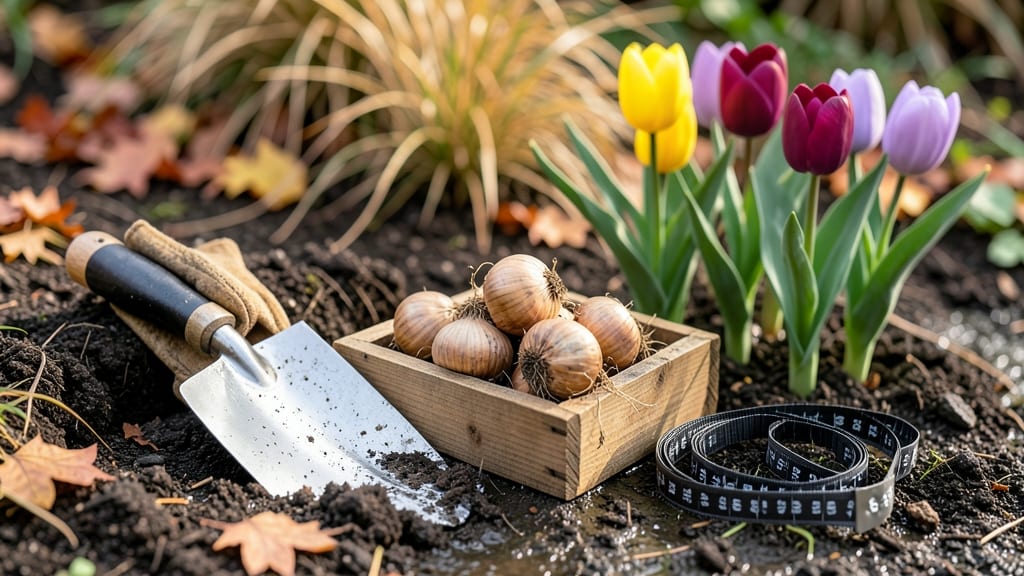
Planting your Spring-Blooming Bulbs (Tulip, Daffodil, Hyacinth, Crocus) 🌷 at the wrong time in Kansas can mean the difference between a showstopping spring garden and a sad, frost-killed disappointment.
The key to vibrant blooms lies in understanding your zone's frost dates—because those 6-8 weeks before the ground freezes aren't just a suggestion, they're your golden window.
If you're in USDA Zone 5b-7a, you've got a slightly wider margin than gardeners in colder climates, but timing still matters. Too early, and your bulbs might sprout before winter sets in; too late, and they won't establish roots before the ground hardens.
I'll show you exactly when to dig in—whether you're in Wichita, Topeka, or Kansas City—so you can enjoy those cheerful spring colors without the guesswork.
What most gardeners don't realize is that soil temperature plays a bigger role than the calendar. We'll cover how to check for the perfect 60°F window and adjust for Kansas' unpredictable weather patterns.
Plus, I'll share my top tips for soil prep, planting depth, and post-planting care that'll keep your bulbs thriving year after year—no matter what Mother Nature throws at you.
Ready to transform your yard into a spring paradise? Let's get those bulbs in the ground at the perfect moment—because in Kansas, timing isn't just important, it's everything.
You'll learn how to work with your local climate, choose the right varieties, and create a blooming timeline that'll make your neighbors green with envy.
Kansas planting zones: exact months for bulb success by region
Kansas spans USDA zones 5b-7a, where fall planting is critical for spring blooms. The key is timing bulbs 6-8 weeks before frost, but exact dates vary by city.
In Wichita (Zone 7a), you’ve got until mid-November, while Topeka (Zone 6a) gardeners must finish by early November to avoid winter damage.
Spring planting is riskier but works for hardy varieties like daffodils—aim for late March to early April after the last frost. The challenge? Kansas’ unpredictable weather can shift frost dates by weeks. Use local almanac data or plant a test bulb to gauge your zone’s quirks.
Here’s your city-by-city planting timeline to ensure zero-frost risk:
For Wichita gardeners in Zone 7a, the 6-week rule means planting tulips by mid-October—but don’t wait until November! Cooler soils slow root growth, and bulbs need time to establish before winter. In Topeka’s Zone 6a, rush to plant by October 15; soil temps drop faster here.
Spring planting? Only attempt it with daffodils or alliums, which tolerate cooler soils. Plant March 15-April 1 in most zones, but cover bulbs with straw mulch if late frosts linger. Tulips planted in spring often flop—save them for fall.
Pro tip: Use a soil thermometer to confirm 60°F soil temps before planting. Kansas’ clay-heavy soils stay cold longer—amend with compost to warm up faster. Sandy soils? Plant deeper (8 inches) to protect bulbs from freeze-thaw cycles.
Missed fall planting? Don’t panic! Crocuses and snowdrops can handle late fall or even early spring planting. Just add extra mulch (4-6 inches) to shield them from January’s deep freezescold-hardy bulbs reward patience with early spring color.
Remember: Bulb size matters. Plant larger bulbs (12+ inches) in September-October for bigger blooms next spring. Smaller bulbs (<6 inches) can wait until late fall or even early spring—they’re more forgiving.
Start with daffodils and tulips for foolproof results. These top performers naturalize over time, multiplying each year. Add alliums for late-summer interest—their globes bloom when most bulbs fade, extending your season.
Your Kansas bulb garden will thrive if you respect the frost clock and soil temps. Mark your calendar: September is prime time—don’t let your bulbs wait another year!
How to time bulb planting for Kansas’ unpredictable weather patterns
Kansas’ weather can shift faster than a Kansas City windstorm, making bulb planting a high-stakes game of timing. The key to success isn’t just following a calendar—it’s reading your soil and understanding how temperature fluctuations affect root development.
Most gardeners focus on frost dates, but I’ve learned that soil temperature is the real game-changer for bulbs.
Your bulbs need 6-8 weeks to establish roots before winter sets in. In Kansas’ USDA Zones 5b-7a, that window typically falls between mid-September and mid-November, but don’t just go by the calendar.
Plant too early, and your bulbs might sprout before winter kills them back. Too late, and they won’t have time to root before the ground freezes solid.
Here’s my pro tip: Use the 60°F soil temperature rule. Bulbs need soil to be consistently 60°F or warmer for root growth.
In most of Kansas, this means waiting until late September for northern areas (like Hays or Salina) or early October for southern regions (like Wichita or Kansas City). Check your soil with a soil thermometer—it’s the only way to be sure.
⚠️ WARNING: Common Mistake Alert! ⚠️ Many gardeners assume they can plant bulbs as soon as the air cools, but cold soil stops root growth. Planting too deep in chilly soil can actually rot your bulbs before they have a chance to establish.
The ideal depth is 2-3 times the bulb’s height, but adjust for soil type—sandy soil needs deeper planting (up to 8 inches), while clay soil can be shallower (4-6 inches). Always plant with the pointy end up—this isn’t optional!
For those unpredictable Kansas weather patterns, consider layering bulbs to extend your blooming season. Plant early-blooming varieties (like crocuses) in late summer (August) so they get a head start, then add tulips and daffodils in September-October.
This creates a staggered bloom that lasts from early spring to late spring, giving you color even if Mother Nature throws a curveball.
If you’re planting in spring (not ideal, but sometimes necessary), choose cold-hardy varieties like daffodils or alliums and plant as soon as the soil is workable (40°F+). Protect them with mulch or row covers until the last frost date (mid-April in most of Kansas).
I’ve had success with this method, but it’s always better to plant in fall when possible.
Don’t forget to water thoroughly after planting—bulbs need moisture to start rooting, but avoid soggy soil, which can cause rot. Once established, most bulbs are drought-tolerant, but a good soaking every 2-3 weeks during their active growth phase (spring) keeps them happy.
And here’s a secret: Leave the foliage until it yellows—this feeds the bulb for next year’s blooms!