
Plants
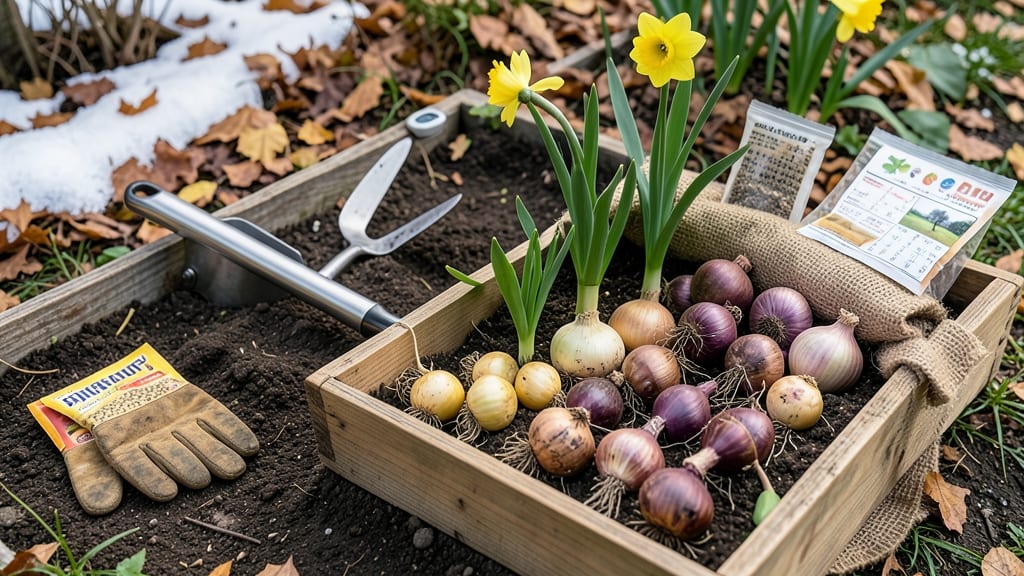
Planting bulbs at the wrong time in New England can mean the difference between a garden bursting with 🌷 spring color and a missed opportunity. With hardiness zones ranging from 5a to 6b, timing isn’t just about seasons—it’s about understanding frost dates, soil temperatures, and how your local microclimate behaves.
Most gardeners know fall planting is ideal, but did you know the exact window varies by zone? In 5a-6b, you’ve got just 6-8 weeks before the ground freezes to get bulbs in the soil.
That means starting as early as October in inland areas or waiting until late November near the coast. Spring planting? Only for certain bulbs—and even then, it’s risky if you miss the frost-free mark.
I’ve learned the hard way that rushing or delaying can lead to weak roots, poor blooms, or worse. Whether you’re a first-time planter or a seasoned gardener, getting this right ensures your tulips, daffodils, and crocuses thrive.
Let’s break down the best times to plant by zone—and how to adjust for New England’s tricky weather.
You’ll discover when to prep your soil, how deep to plant, and which bulbs play by the rules (or bend them). By the end, you’ll have a foolproof strategy to make your garden shine—no matter what Mother Nature throws your way.
Best fall planting times for New England bulbs by hardiness Zone
Timing your fall bulb planting in New England isn’t just about the calendar—it’s about soil temperatures, frost dates, and your specific hardiness zone. Plant too early, and roots won’t establish before winter. Too late, and bulbs may rot before the ground freezes.
The key? Aim for 6-8 weeks before the first hard frost, when soil temps hover around 40-50°F. This window ensures bulbs develop strong roots while avoiding winter damage.
New England spans USDA Zones 3-7, meaning frost dates vary dramatically. Coastal areas like Zone 6b (e.g., Boston) may see first frosts in mid-October, while inland Zone 4a (e.g., Burlington, VT) can freeze by late September.
Adjust your planting schedule accordingly—Zone 3 gardeners should plant late August to early September, while Zone 7 can wait until November. Always check your local last frost date for precision.
| Zone | Ideal Planting Window | Soil Temp Threshold | Key Bulbs | Frost Risk |
|---|---|---|---|---|
| 3 (e.g., Portland, ME) | Late August–Early September | 40–50°F (4–10°C) | Daffodils, Alliums, Crocus | High (early frost) |
| 4 (e.g., Burlington, VT) | Mid-September–Early October | 40–50°F (4–10°C) | Tulips, Hyacinths, Snowdrops | Moderate (variable) |
| 5 (e.g., Hartford, CT) | Late September–Mid-October | 45–55°F (7–13°C) | Daffodils, Fritillaries, Muscari | Low (late frost) |
| 6 (e.g., Boston, MA) | October–Early November | 50–60°F (10–16°C) | Tulips, Hyacinths, Grape Hyacinths | Very Low (mild winters) |
| 7 (e.g., Providence, RI) | November (early) | 55–65°F (13–18°C) | Daffodils, Alliums, Late-Blooming Tulips | Minimal (coastal) |
Why does fall planting matter so much? Bulbs need time to grow roots before winter sets in. When planted in fall, they enter a dormant state with a robust root system, ready to burst into blooms as soon as spring arrives.
This process, called vernalization, ensures stronger stems and larger flowers. Spring-planted bulbs, by contrast, often struggle to establish roots before heat stress or drought sets in, leading to weak, floppy stems or no blooms at all.
For Zone 3-4 gardeners, prioritize hardy bulbs like daffodils and crocus—they tolerate early frosts and even bloom through snow. In Zones 5-7, you can experiment with tulips and hyacinths, but plant them slightly later (closer to November) to avoid rot from prolonged soil moisture.
Always plant bulbs 3x deeper than their height (e.g., a 2-inch bulb goes 6 inches deep) and space them 3–6 inches apart for optimal airflow.
Watch for early freezes—if temps drop below 20°F (-7°C) before roots establish, mulch with 3–4 inches of straw or leaves to insulate the soil. In Zone 6-7, where winters are milder, you might even get away with planting into early December, but this is risky.
When in doubt, err on the earlier side—bulbs can wait in a cool, dark place (like a garage) for a few weeks if you’re unsure about frost dates.
Pro tip: Use a soil thermometer to confirm temps are in the 40–60°F range before planting. If your soil is still warm (above 60°F), wait a week or two—hot soil can cook bulbs.
For coastal gardeners, be mindful of microclimates: sheltered spots may freeze later than exposed areas. Adjust your planting date accordingly, and consider layering bulbs (planting multiple varieties in the same hole) to extend your bloom season.
After planting, water deeply to settle the soil and encourage root growth. Avoid overwatering, as waterlogged soil can cause rot. In Zone 3-4, apply a thick layer of mulch (4–6 inches) to protect bulbs from freeze-thaw cycles.
In Zones 5-7, a lighter mulch (2–3 inches) suffices. Come spring, resist the urge to fertilize until you see green shoots—this ensures bulbs
Spring planting bulbs in New England: risks, exceptions, and late-season strategies
Spring planting isn’t the first choice for most bulbs, but New England’s unpredictable frosts and late falls sometimes leave gardeners scrambling. If you missed your fall planting window or want to add late-season bloomers, spring planting can still work—with the right approach.
Some bulbs, like crocus and garlic, thrive when planted in spring, while others need special care to avoid rot or shallow roots.
Before you dig, know that spring-planted bulbs often bloom later or produce smaller flowers than fall-planted ones. However, with proper soil prep, mulching, and shade protection, you can mitigate risks and still enjoy vibrant blooms.
Let’s break down which bulbs tolerate spring planting, how to prep your soil, and what to watch for once they’re in the ground.
Planting bulbs in spring increases risks of rot, shallow roots, and heat stress. Bulbs need 6-8 weeks of chilling to form roots—if planted too late, they may bolt to flower without establishing properly. Always test soil temperature (ideal: 40-50°F) and water deeply after planting.
Pro Tip: Use mulch (3-4 inches) to regulate soil temperature and retain moisture.
Not all bulbs are created equal when it comes to spring planting. Hardy perennials like crocus, alliums, and snowdrops handle spring planting best because they’re drought-tolerant and frost-resistant.
Even garlic and shallots can be planted in early spring for a summer harvest. Avoid delicate bulbs like tulips or hyacinths, which need fall’s chilling period to thrive.
If you’re planting in spring, start by amending your soil with compost or aged manure to improve drainage—a critical factor for preventing bulb rot. Aim to plant bulbs 2-3 times deeper than their height (e.g., a 2-inch bulb goes 4-6 inches deep) to encourage deeper root growth.
This helps them withstand heat stress and drought once summer arrives.
Once planted, prioritize consistent moisture but avoid waterlogging. Water deeply once a week (or more in dry spells) and apply a 2-3 inch layer of mulch to lock in moisture and protect roots from temperature swings.
For bulbs planted in late spring, provide afternoon shade with shade cloth or nearby plants to prevent heat stress.
Here’s a quick checklist for spring bulb planters in New England:
- ✅ Choose spring-friendly bulbs (crocus, alliums, garlic, snowdrops).
- ✅ Amend soil with compost for better drainage.
- ✅ Plant 2-3x deeper than bulb height.
- ✅ Water deeply after planting and weekly afterward.
- ✅ Mulch with 3-4 inches of organic material.
- ✅ Provide shade cloth for late spring plantings.