
Plants
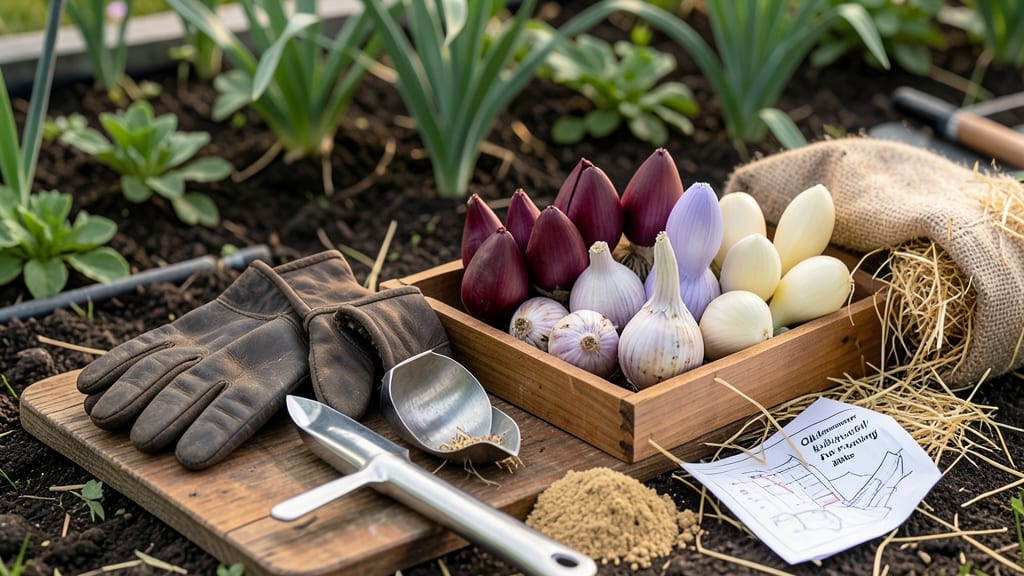
Planting bulbs in Oklahoma at the right time means the difference between a garden bursting with color and one that barely makes it through winter. The key isn't just about digging a hole—it's understanding chill-hour needs and seasonal cues that vary across the state's 6b-8a zones.
Whether you're prepping for tulips in Tulsa or daffodils in Oklahoma City, timing matters more than you might think.
Fall planting is your best bet for most 🌱 bulbs (General), but the exact window depends on where you live. Too early, and they might rot; too late, and frost could damage them before they root.
I'll break down the ideal months for your region—plus how to adjust for Oklahoma's unpredictable weather patterns.
You don't have to guess when to plant. By following a simple timeline based on frost dates and bulb types, you can ensure reliable blooms year after year. Let's dive into the exact steps to make your garden thrive, no matter which part of the state you're in.
From soil prep to variety-specific advice, this guide covers everything you need to know. Whether you're a first-time gardener or a seasoned pro, these tips will help you avoid common mistakes and get the most out of your bulbs. Ready to transform your garden?
Oklahoma bulb planting timeline by chill-hour requirements
Oklahoma’s diverse climate zones—from Zone 6b in the north to Zone 8a in the south—mean bulb planting timing varies dramatically. The key to success? Matching chill-hour needs (the number of hours below 45°F) with your region’s winter.
Most spring-blooming bulbs need 300-1,500 chill hours to flower reliably, and Oklahoma’s unpredictable frost dates add another layer of complexity.
For example, tulips and hyacinths thrive in northern Oklahoma with 1,000+ chill hours, while daffodils and grape hyacinths adapt better to southern Oklahoma’s milder winters (as few as 300-500 chill hours).
Planting at the wrong time—too early or too late—can leave your bulbs vulnerable to rot, frost heave, or failure to bloom. Let’s break down the optimal planting windows by variety and chill-hour zone.
Your last frost date is the ultimate deadline for fall planting. In northern Oklahoma (e.g., Oklahoma City), aim to plant by November 15 to avoid winter heaving. In southern Oklahoma (e.g., Tulsa or LawtonDecember 10—just ensure bulbs root before consistent freezing.
Pro tip: Use a soil thermometer to confirm temps are below 60°F for 2+ weeks before planting.
Spring planting is a backup option for varieties like dahlias or cannas, which need no chill hours. In Oklahoma, plant these in February-March once soil temps hit 60°F.
However, spring-planted bulbs often bloom later and may struggle in intense summer heat. For best results, stick to fall planting for traditional bulbs.
Mulching is non-negotiable in Oklahoma’s freeze-thaw cycles. After planting, apply 3-4 inches of mulch (straw or shredded leaves) to insulate bulbs and prevent frost heave. Remove mulch in early spring once shoots emerge to avoid rot from excess moisture.
In southern Oklahoma, where winters are milder, you can skip mulch entirely for varieties like daffodils.
Don’t overlook soil preparation. Oklahoma’s clay-heavy soils can suffocate bulbs, so amend with compost or sand to improve drainage. Plant bulbs at a depth of 2-3 times their height—deeper in sandy soils, shallower in clay. For example, a 2-inch tulip
How to adjust planting for Oklahoma’s microclimates
Oklahoma’s microclimates create unique challenges for bulb gardeners—especially when comparing Tulsa’s cooler hills to Oklahoma City’s urban heat islands or rural areas with faster freeze-thaw cycles.
The same tulip bulbs planted in Zone 7a (Tulsa) might fail in Zone 8a (OKC) if not adjusted for warmer winters and earlier springs. Understanding these variations lets you fine-tune planting times for reliable blooms every year.
For example, Tulsa gardeners can plant daffodils as early as late October, while OKC gardeners should wait until mid-November to avoid rot from prolonged warmth.
Rural areas with soil that drains poorly may need raised beds or amended soil to prevent waterlogging—a common issue after Oklahoma’s unpredictable fall rains. These adjustments aren’t just about dates; they’re about soil prep, mulching strategies, and even layering techniques to extend bloom seasons.
⚠️ callout warning
Planting bulbs too early in OKC’s urban heat (Zone 8a) can cause premature sprouting and frost damage. Conversely, rural Zone 7a areas may experience soil compaction from heavy rains, stunting root growth. Always check local frost dates (OSU Extension is a great resource) and adjust planting by 2-3 weeks if your yard sits in a warmer microclimate (e.g., near pavement or south-facing slopes).
Start with soil preparation tailored to your microclimate. In urban areas, where soil is often compacted and nutrient-poor, mix in 2-3 inches of compost or aged manure before planting.
For rural gardens with clay-heavy soil, amend with sand or peat moss to improve drainage—a critical factor after Oklahoma’s flash floods. Test your soil’s pH (6.0-7.0 is ideal for most bulbs) and adjust with lime or sulfur if needed.
This step alone can double your bulb’s survival rate in challenging microclimates.
Mulching is another game-changer for Oklahoma’s temperature swings. In Tulsa’s cooler zones, apply 3-4 inches of straw mulch after planting to insulate bulbs during winter. For OKC’s warmer microclimates, use lightweight mulch like pine straw to prevent overheating while still protecting roots.
In rural areas prone to early thaws, consider a double-layer mulch system: start with straw, then top with leaves or grass clippings once frost arrives. This extends bloom seasons by 2-3 weeks in some cases.
Extend your blooms using layering techniques that play to Oklahoma’s seasonal extremes. Plant early-blooming bulbs (crocuses, snowdrops) in full sun for March blooms, then layer mid-season tulips nearby for April color.
Finish with late bloomers (alliums, daffodils) in partial shade to stagger your garden’s peak from March through May. This method also hides brown foliage by blending new growth with established plants.
For urban gardens, use container layering: plant tall bulbs (tulips) in the center of pots and shorter varieties (hyacinths) around the edges to maximize space.
Don’t overlook watering adjustments based on your microclimate. In OKC’s urban heat, water deeply once a week after planting to encourage root growth before winter. In rural areas with heavier clay soil, reduce watering to every 10-14 days once established to avoid rot.
After blooms fade, let foliage yellow naturally—this replenishes bulb energy for next year. For container gardens, use well-draining mixes with perlite or vermiculite to mimic Oklahoma’s fast-draining native soils. These small tweaks ensure your bulbs thrive regardless of where you garden in the state.