
Companion Plants
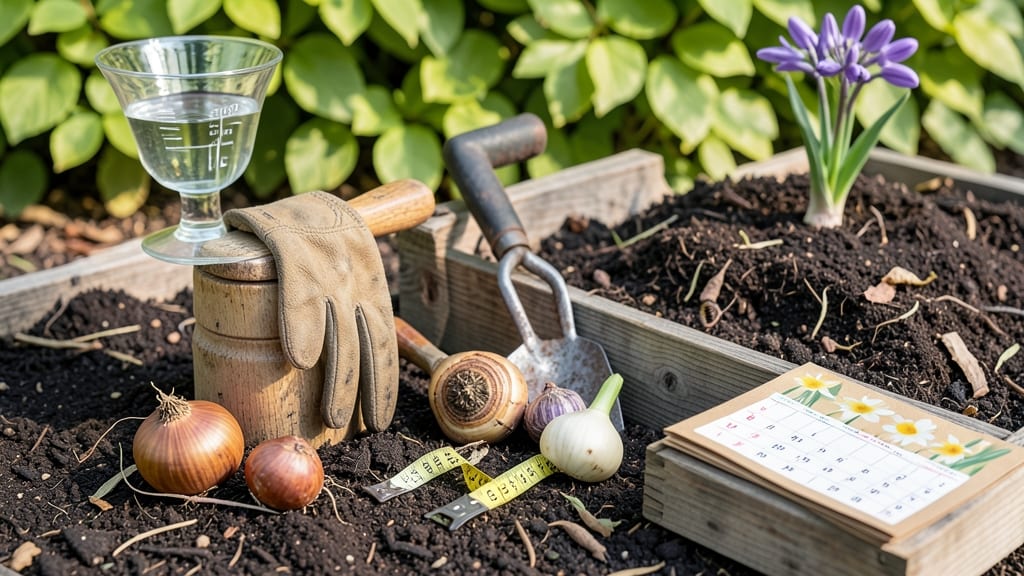
Planting bulbs in South Carolina at the wrong time can mean skipping next spring’s 🌷 show-stopping blooms—because SC’s mild winters trick even experienced gardeners into misjudging the perfect window. The secret isn’t just waiting for fall; it’s understanding how many chill hours your favorite bulbs need to bloom reliably.
With USDA Zones 7b-8b and unpredictable frost dates, timing matters more than you’d think. Whether you’re planting tulips, daffodils, or hardy crocuses, getting them in the ground 6-8 weeks before the first frost (typically by November) sets the stage for vibrant spring displays.
But here’s the catch: some bulbs thrive with minimal chill, while others need a deeper winter nap.
I’ll break down the exact planting months for SC’s climate, plus which bulbs handle our warm winters best. You’ll also learn how to adjust for coastal vs. Piedmont microclimates—because a Piedmont garden and a Lowcountry yard aren’t created equal. Let’s get those bulbs in the ground the right way.
Ready to skip the guesswork? By the end, you’ll know not just when to plant, but why—so your garden wakes up with color instead of disappointment. Let’s dive in.
South Carolina bulb planting calendar: month-by-month chill-hour breakdown
South Carolina’s mild winters and humid summers create a unique challenge for bulb gardeners. Unlike northern states, we don’t get the consistent cold many bulbs need to bloom reliably.
The key to success? Understanding chill-hour requirements and adjusting your planting timeline accordingly. Most spring-blooming bulbs need between 500-1,500 chill hours (temperatures between 32°F-45°F) to trigger flowering.
In SC’s USDA Zones 7b-8b, we typically see 300-800 chill hours annually, which is why low-chill varieties perform best. The Upstate (higher elevations) gets more chill hours than the Lowcountry, so planting windows vary by region.
Let’s break down the best months to plant each popular bulb type and how to maximize your chances of vibrant spring blooms.
October is the sweet spot for most bulbs in South Carolina, offering a balance between soil warmth and approaching winter. Plant daffodils and crocuses in early October to give them time to establish roots before cooler weather arrives.
These varieties tolerate our milder winters better than tulips or hyacinths, which need more chill hours.
If you live in the Upstate (Greenville, Spartanburg), you’ll get more chill hours, so you can push planting into late October or even November for tulips and hyacinths.
In the Lowcountry (Charleston, Hilton Head), however, soil stays warmer longer, so plant tulips in September or choose low-chill varieties to avoid disappointment.
November is your last chance to plant hardy bulbs like daffodils and crocuses, but avoid planting tulips after early November unless you’re in the Upstate. The soil needs to be cool (below 60°F) but not frozen for successful root establishment.
Use a soil thermometer to check—ideal planting temps are 40°F-50°F.
December planting is risky but possible for extremely cold-hardy bulbs like snowdrops and winter aconites. These varieties bloom in late winter and can handle our mild winters. Plant them in containers if your ground stays too warm, as they’ll need some winter chill to trigger blooms.
Water lightly after planting to settle the soil around the bulbs.
One common mistake is planting too early (August-September), which causes bulbs to sprout and get damaged by fall freezes. Another is planting too late (December-January), leaving bulbs vulnerable to rodents and rot before they establish roots.
Aim for that 6-8 week window before your first frost—typically mid-November in Zone 7b and late November in Zone 8b.
For reliable blooms, layer bulbs with different chill requirements. Plant daffodils (low chill) in the front, tulips (medium chill) in the middle, and hyacinths (high chill) in the back. This creates a sequential bloom from early spring (daffodils) to late spring (hyacinths), extending your garden’s beauty.
Mulch with 2-3 inches of organic matter after planting to insulate bulbs and protect them from temperature fluctuations.
Remember, soil drainage is critical in SC’s clay-heavy soils. Amend planting areas with compost or sand to prevent bulb rot.
Best low-chill bulbs for South Carolina gardens (no waiting for winter!)
South Carolina’s mild winters often leave gardeners frustrated with traditional bulbs that fail to bloom. The key? Low-chill varieties (under 1,000 chill hours) that thrive in our USDA Zones 7b-8b. These bulbs skip the waiting game and deliver reliable spring color without relying on harsh winters.
My top picks include species tulips, rain lilies, and hardy daffodils—all proven winners in local gardens.
Why do these bulbs work? Most commercial varieties need 12-16 weeks below 40°F, but SC’s winters rarely deliver. Low-chill bulbs break dormancy faster, often blooming 2-4 weeks earlier than traditional types. Layering 3-4 varieties with staggered bloom times creates a nonstop spring display from February through May.
For extended blooms, plant rain lilies in containers near patios—they’ll pop up after spring rains. Species tulips like Tulipa tarda naturalize beautifully in well-draining soil and return yearly.
My secret? Mix bulb sizes in the same bed: dwarf daffodils (6") in front, medium tulips (12") in the middle, and tall crinum lilies (24") at the back.
Pro tip: Plant in October for early blooms or wait until November for later-season color. Amend soil with sand or grit to prevent rot—SC’s clay-heavy soil drains poorly. After planting, mulch with 2-3 inches of pine straw to insulate bulbs during mild winter fluctuations.
Don’t overlook container gardening! Low-chill bulbs thrive in pots, letting you move them to sunniest spots or protect them from deer. Use a fast-draining mix (50% potting soil, 30% perlite, 20% sand) and plant 3-5 bulbs per 6-inch pot.
Water sparingly until spring—overwatering kills bulbs faster than cold.
Layering bulbs by chill requirements ensures nonstop color. Start with rain lilies (0 chill hours), add species tulips (300-500 hours), then top with Spanish bluebells (500-800 hours). This creates a 3-week bloom wave that outshines any single variety planted alone. 🌷