
Plants
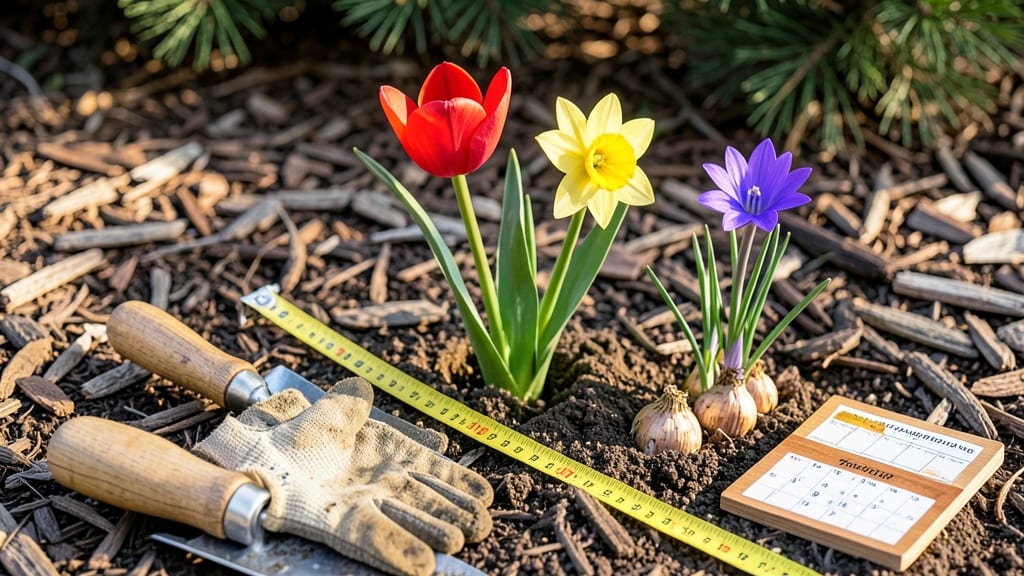
Planting bulbs in South Carolina at the wrong time could mean the difference between a vibrant spring garden and a missed opportunity. With our mild winters in Zone 8a, timing is everything—especially for spring flowering bulbs like daffodils and tulips that need to establish roots before the ground freezes.
Most gardeners assume fall is the only window, but South Carolina’s extended growing season actually gives you two chances to plant: once in late September through November, and again in January for early blooms. The key is understanding how frost dates and soil temperatures play into your success.
If you’ve ever wondered why some bulbs fail to bloom or struggle in your yard, it’s likely because they were planted too early or too late.
I’ll walk you through the exact planting window for your region, plus pro tips to protect your bulbs from unexpected freezes—so you can enjoy stunning spring blooms year after year.
Ready to transform your garden? Let’s dive into the best times to plant, how deep to go, and which bulbs thrive best in South Carolina’s climate—without the guesswork.
Best months to plant spring-flowering bulbs in SC Zone 8a
South Carolina’s Zone 8a climate offers a unique window for planting spring-flowering bulbs—but timing is critical. Unlike colder zones, you can plant bulbs through December without fear of early freezes.
However, soil temperature and frost risk still dictate the ideal planting timeline. Let’s break down the best months and what your bulbs need to thrive.
For hardy bulbs like daffodils and crocus, the ideal window spans from October through December. These bulbs establish roots before winter, then bloom spectacularly in spring. Tender bulbs (like some tulip varieties) need even earlier planting—late September to early November—to avoid frost damage.
The key is planting when soil temps drop to 50-60°F.
Here’s the frost risk breakdown for SC Zone 8a:
- Mid-November: First frost average
- Mid-April: Last frost average
- Zone 8a advantage: 210+ frost-free days
Planting too late (after December) risks weak root growth before winter dormancy. Early planting (before September) can cause bulbs to sprout too soon, making them vulnerable to winter dieback. Balance is everything!
🌱
| Month | Soil Temp | Best Bulbs | Frost Risk | Action |
|---|---|---|---|---|
| October | 50-65°F | Tulips, Hyacinths, Daffodils | Low | Plant hardy bulbs first |
| November | 45-55°F | Crocus, Alliums, Snowdrops | Moderate | Plant all bulbs before frost |
| December | 40-50°F | Rain Lilies, Camassias | High (late Dec) | Plant only frost-tolerant bulbs |
| January | 35-45°F | None (dormant) | Very High | No planting; protect existing bulbs |
| February | 40-55°F | Spring-blooming bulbs | Low | Plant late bloomers (e.g., Fritillaria) |
The optimal soil temperature for planting bulbs is between 50-60°F. At these temps, roots establish quickly but don’t sprout prematurely. Use a soil thermometer to check—if temps drop below 45°F, delay planting until conditions improve.
In SC, this usually means waiting until late October or November for most regions.
For early freezes (uncommon but possible in Zone 8a), prioritize deep planting (6-8 inches deep) and mulching with 2-3 inches of straw or shredded leaves. This adds 5-10°F protection to the soil. Tender bulbs, like dahlias, should be planted in containers or lifted before frost.
If you miss the fall window, don’t despair! January-February is a secondary planting time for spring-blooming bulbs like rain lilies or camassias. These bulbs tolerate cooler soils and still produce stunning blooms. Just avoid planting after mid-February—roots won’t have enough time to establish before summer heat arrives.
Pro tip: Adjust for microclimates. Coastal SC (e.g., Charleston) has milder winters, so you can plant later into December. Inland areas (e.g., Greenville) may need to plant earlier in November to avoid frost.
Observe your local USDA frost maps or ask at your county extension office for precise guidance.
🌿
Remember, bulb health starts with roots. The deeper and earlier you plant, the stronger your spring blooms will be. In SC Zone 8a, you’re blessed with a longer planting window than colder climates—but don’t let it fool you. Timing, soil temp, and frost risk still rule the game.
Get it right, and you’ll be rewarded with a garden bursting with color from April through June!
How to avoid frost damage: pro tips for SC gardeners
South Carolina’s Zone 8a climate can trick gardeners into thinking frost isn’t a major threat—but unexpected freezes still happen. Tender bulbs like tulips and hyacinths need protection, while hardy varieties like daffodils can still suffer if planted too shallowly.
The key is understanding microclimates and adjusting your approach based on local frost patterns.
Even in mild winters, late-November freezes can damage emerging shoots. I’ve seen tulip blooms wilt overnight when temperatures drop below 28°F. The solution? A mix of proper planting depth, mulching strategies, and smart microclimate selection—all tailored to SC’s unpredictable weather.
⚠️ Critical Mistake Alert
Planting bulbs too shallowly is the #1 cause of frost damage in SC. Daffodils need 6-8 inches deep, while tulips require 8-10 inches. Shallow planting exposes bulbs to freezing temperatures and drought stress—both kill roots before they establish.
Start by choosing south-facing slopes or areas near stone walls—these microclimates warm up faster in spring and retain heat better. I’ve had hyacinths bloom 2 weeks earlier in these spots compared to flat, open ground.
For extra protection, group bulbs in clusters of 12+—their combined heat helps insulate each other.
Mulching is non-negotiable in SC. After planting, apply 4-6 inches of straw or shredded leaves over bulbs. This creates a thermal blanket that shields roots from 20°F drops. I’ve used pine straw in my Charleston garden, and it’s held 3°F warmer than unmulched soil during December freezes.
Just remember to remove mulch in early spring to prevent rot.
Don’t overlook bulb depth guidelines. In SC’s sandy soils, bulbs dry out faster, so deeper planting is crucial. Use a trowel to dig holes twice as deep as the bulb’s height.
For large alliums, that means 12+ inches deep. Pro tip: Plant daffodils near roses—their toxic alkaloids deter deer, which also helps protect tender shoots from frost nibbling.
Finally, monitor local frost forecasts via the SC State Climate Office. If a 28°F freeze is predicted after planting, cover bulbs with frost cloth or cardboard boxes filled with straw.
I’ve saved entire tulip beds this way during January cold snaps. With these strategies, your bulbs will survive SC’s quirks and reward you with vibrant spring blooms.