
Plants
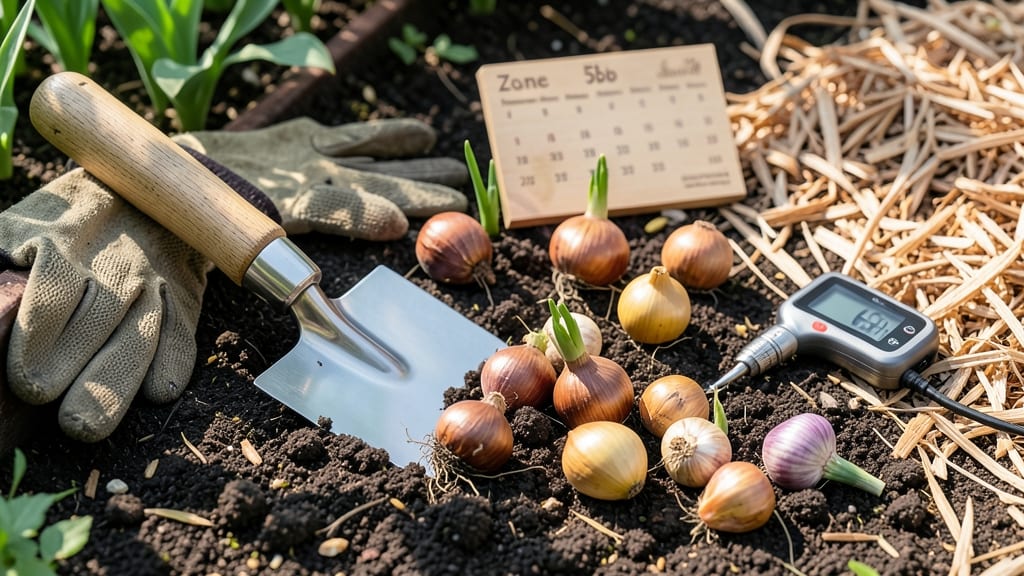
Planting bulbs at the wrong time in Zone 5b could mean skipping next spring's vibrant blooms entirely—so when exactly should you get them in the ground?
The answer isn't just about the calendar; it's about understanding how your local climate and soil conditions play a role in giving your 🌷 tulips, daffodils, and crocuses the best chance to thrive.
For most gardeners in Zone 5b, fall planting between September and November is the golden window—6 to 8 weeks before the ground freezes. This timing lets bulbs establish roots before winter, so they burst into color as soon as the snow melts.
But if you missed that boat, don't panic: early spring planting (March to April) can still work for hardier varieties, though it comes with trade-offs.
What makes this timing so critical? Bulbs need time to develop strong roots before the cold sets in, and Zone 5b's unpredictable frosts demand careful planning.
I'll walk you through the exact steps to prep your soil, choose the right bulbs, and avoid common mistakes that could leave you with flops instead of flowers.
Whether you're a seasoned gardener or just starting, getting this right means fewer empty garden beds and more show-stopping displays when spring arrives. Let's dive into the best strategies for reliable blooms year after year.
Ideal fall planting timeline for Zone 5b bulbs (and why it works)
Fall is the golden window for planting bulbs in Zone 5b, where 6-8 weeks before first frost triggers root growth while protecting bulbs from winter’s harshest freeze. This timing lets bulbs establish roots before the ground freezes solid, ensuring vibrant spring blooms.
For most of Zone 5b, that means mid-September through early November, but your exact window depends on local frost dates.
Soil temperature is the secret trigger for successful fall planting. Aim to plant when soil temps consistently drop to 60°F (15°C) or below at night. This chilling period signals bulbs to stop top growth and focus on root development—critical for surviving winter dormancy.
In Zone 5b, this typically happens by late September, but monitor your local weather forecasts for adjustments.
Here’s why fall planting works so well: bulbs planted in autumn have 6-8 weeks of root growth before winter sets in. These roots act like a nutrient reservoir, fueling next spring’s shoots.
Plus, the cold winter helps break down bulb dormancy, so they’re ready to burst into bloom as soon as the ground thaws. Skipping this window risks weak roots or bulbs rotting if planted too late.
| Planting Window | Soil Temp Trigger | Bulb Depth | Spacing | Notes |
|---|---|---|---|---|
| Mid-September | 60°F (15°C) | 4-6 inches | 3-4x bulb width | Early start for tulips, daffodils |
| Late September | 50°F (10°C) | 5-7 inches | 4-6x bulb width | Best for crocuses, snowdrops |
| October (early) | 40°F (4°C) | 6-8 inches | 5-7x bulb width | Last chance for alliums, hyacinths |
| October (late) | 32°F (0°C) | 7-9 inches | 6-8x bulb width | Risky; only hardy bulbs |
| November (early) | 25°F (-4°C) | 8-10 inches | 7-9x bulb width | Avoid; bulbs may rot |
Adjust your planting timeline based on your local frost dates. If your area has early frosts (e.g., late September), start planting in early September. Conversely, if you’re in a warmer microclimate or near large bodies of water, you might extend planting into mid-November.
Use a soil thermometer to confirm temps—this is far more accurate than guessing by date.
Preparing bulbs for winter dormancy starts with soil prep. Amend your planting area with compost or aged manure to improve drainage, as soggy soil leads to rot. Add a layer of gritty sand (1 part sand to 3 parts soil) if your clay soil holds too much moisture.
This mimics the well-draining conditions bulbs need in the wild. For heavy clay, consider raised beds or containers to avoid waterlogged roots.
Plant bulbs pointy end up, with roots facing downward, at a depth equal to 3x their height. For example, a 2-inch-tall daffodil bulb should go 6 inches deep.
Space bulbs according to their mature size—tulips and daffodils need 4-6 inches apart, while alliums and hyacinths can handle 6-8 inches. Overcrowding leads to smaller blooms and weaker stems.
After planting, mulch heavily with straw or shredded leaves (4-6 inches thick) to insulate bulbs from freeze-thaw cycles, which can damage emerging roots. Avoid synthetic mulches like black plastic, as they can trap too much heat.
Water the area deeply before the ground freezes to encourage root growth, then let nature take over—no watering needed until spring shoots appear.
Pro tip: If you’re planting late in the season (October or November), choose extra-hardy bulbs
Spring planting bulbs in Zone 5b: risks, exceptions, and late-season hacks
Spring bulb planting in Zone 5b isn't the first choice for most gardeners, but it can work if you choose the right hardy bulbs and follow strict timing rules.
The key is planting after the last frost (around mid-April) but before the soil gets too hot. This window is short—just 4-6 weeks—so don't delay!
Most bulbs (like tulips and daffodils) prefer fall planting because they need time to establish roots before winter. But summer-blooming bulbs like dahlias or gladiolas thrive when planted in spring.
The trade-off? Spring-planted bulbs may not bloom as vigorously as their fall-planted counterparts, but with the right care, you can still get stunning results.
Spring Planting Bulbs in Zone 5b: Pros & Cons
✅ Pros
- Summer blooms for dahlias, gladiolas
- No frost risk to young roots
- Extended season for late-season color
❌ Cons
- Higher rot risk from wet spring soil
- Smaller blooms compared to fall planting
- Limited bulb selection (only hardy varieties)
Best for: Dahlias, Gladiolas, Crocosmia, Begonias
Avoid for: Tulips, Hyacinths, Alliums (unless micro-climate protected)
To maximize success, focus on well-draining soil and partial shade during the hottest afternoons. Amend your soil with compost or sand if it’s heavy clay, and plant bulbs deeper than usual (6-8 inches) to protect them from temperature swings.
Mulch heavily with straw or pine needles to retain moisture and regulate soil temps.
Watering is critical in spring. Keep the soil consistently moist but not soggy—aim for 1 inch of water per week. Use a soaker hose to deliver water directly to the roots without disturbing the bulbs.
Once shoots emerge (usually in 4-6 weeks), reduce watering slightly to encourage stronger stems. Fertilize lightly with a balanced 10-10-10 mix when the first leaves appear.
Watch for rot signs like mushy bulbs or yellowing foliage, which can signal overwatering or fungal issues. If you notice soft spots on the bulbs, remove them immediately and treat the area with neem oil or copper fungicide.
Spring-planted bulbs are more vulnerable to pests like slugs and voles, so use organic barriers like diatomaceous earth or copper tape around the planting area.
For a late-season hack, try planting pre-chilled bulbs (like tulips) in early April under row covers or in a cold frame. This mimics fall conditions and can coax earlier blooms.
Just be prepared to remove the covers once daytime temps hit 60°F to prevent overheating. With these adjustments, you’ll still get gorgeous blooms—just a few weeks later than traditional fall plantings.