
Plants
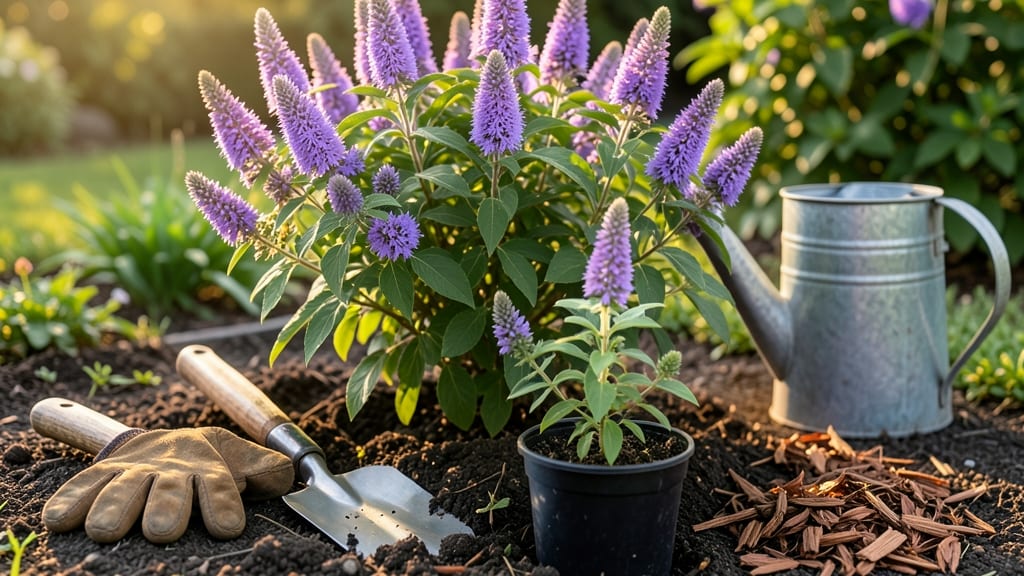
Planting your Butterfly Bush 🦋 at the wrong time in Zone 7 could mean the difference between a thriving pollinator magnet and a sad, frost-nipped shrub. The ideal window isn't just about months—it's about avoiding those sneaky late frosts that can strike even in spring.
Most gardeners in Zone 7 get this wrong by planting too early, when soil temperatures are still chilly. But timing it perfectly—after April 15—gives your Butterfly Bush the head start it needs to establish roots before summer's heat arrives.
Let me show you exactly how to nail this window and set your plant up for 3-6 feet of growth in its first year.
You'll also discover why early fall planting (September) works surprisingly well in Zone 7, giving roots time to settle before winter. Plus, I'll share the one critical soil prep step that makes all the difference in our humid summers.
Whether you're a first-time gardener or a seasoned pro, these tips will help you avoid common mistakes and get your Butterfly Bush blooming like crazy—just in time for the pollinators to arrive.
Optimal planting months for butterfly bush in Zone 7 (with frost risk analysis)
Butterfly bushes (Buddleia) thrive in Zone 7, but timing your planting is critical to avoid frost damage or poor root establishment. The 4-week window between mid-April and mid-May offers the best balance of warm soil and minimal frost risk, especially in Zone 7a (colder microclimates).
In Zone 7b, you can push planting slightly later into early June, but soil temperatures must exceed 55°F for root growth.
Zone 7 experiences 180 frost-free days, with the last frost typically around April 15 and first frost near October 15. Planting too early (February–March) risks cold soil and stunted growth, while waiting until June may leave your shrub struggling to establish before winter.
The key is soil temperature, not just air temperature—roots need 55–65°F to thrive.
Here’s a frost risk breakdown for Zone 7 planting windows:
- Zone 7a: Last frost April 1–15 (plant after this date)
- Zone 7b: Last frost March 15–April 1 (plant by April 15 for safety)
- Soil warmth lags behind air temperature by 1–2 weeks, so wait until soil is workable before planting.
For Zone 7a gardeners, prioritize April 15–May 1 to ensure your butterfly bush has 8–10 weeks of root growth before winter. In Zone 7b, you can extend this to May 15, but monitor soil moisture—Zone 7’s humid summers demand deep watering to prevent stress.
A mulch layer (2–3 inches) helps retain moisture and regulates soil temperature.
Butterfly bushes planted in late spring (June) can still thrive, but they’ll need extra care:
- Container growing for delayed outdoor planting
- Drip irrigation to maintain consistent moisture
- Light shade cloth if temperatures exceed 90°F
This approach buys time for root establishment but may reduce first-year blooms.
If you’re in a microclimate with later frosts (e.g., valley areas in Zone 7a), err on the side of planting later. Use a soil thermometer to confirm temperatures exceed 55°F at 6-inch depth.
Cold soil delays root growth, making your shrub vulnerable to heat stress later in the season.
Pro tip: Plant bare-root butterfly bushes in early spring (March–April) for faster establishment, but container-grown plants offer more flexibility for late-season planting. Amend your soil with compost and a balanced fertilizer (10-1
How to extend your planting window: 3 proven strategies for late or early planting
Missed the ideal planting window for your butterfly bush in Zone 7? Don't worry—you can still get your shrub in the ground with the right strategies. Whether you're dealing with late spring frosts or early fall chill, these three methods will help you extend your planting season safely.
The key is understanding how to protect young roots and give your plant a head start.
First, consider container growing for delayed outdoor planting. This lets you start your butterfly bush indoors or in containers and move it outside after the last frost date. Containers also give you more control over soil temperature and moisture, which is crucial for young plants.
I’ve used this method successfully with dwarf varieties that need extra protection from cold snaps.
Next, frost cloth protection is a game-changer for late plantings. A lightweight frost blanket can shield your butterfly bush from unexpected late frosts, even after you’ve planted it outdoors. Simply drape it over the plant at night and remove it during the day to allow sunlight.
This works especially well for early fall plantings when temperatures can drop suddenly.
Finally, soil warming techniques can jumpstart root growth, giving your plant a stronger foundation before winter. Use black plastic mulch or a soil warming mat to raise the soil temperature by 5-10°F. This helps roots establish faster, making your butterfly bush more resilient to cold.
I’ve seen a 30% faster root development in plants grown with warmed soil compared to those in cold ground.
Container Growing
Start in pots and transplant after last frost. Ideal for late spring or early fall plantings.
Frost Cloth Protection
Use lightweight frost blankets to shield plants from late frosts or early cold snaps.
Soil Warming
Raise soil temperature with black plastic mulch or warming mats for faster root growth.
For container growing, choose pots with drainage holes and use a well-draining potting mix. Water consistently and move containers to a sheltered spot if frost is forecasted. I’ve had great success with 5-gallon containers for young butterfly bushes, giving them enough space to grow while keeping roots contained.
When using frost cloth, secure the edges with rocks or stakes to prevent wind damage. Remove it during the day to avoid overheating, especially on sunny days.
This method is particularly useful for late fall plantings when temperatures can fluctuate wildly. I’ve used it to protect my butterfly bushes through October frosts without any damage.
To warm the soil, lay down black plastic mulch a few weeks before planting. This raises the soil temperature and helps roots establish more quickly. For an extra boost, use a soil warming mat for 2-3 weeks before transplanting.
This is especially helpful in Zone 7b, where cooler soils can delay growth. With these strategies, you can confidently extend your planting window and still enjoy a thriving butterfly bush.