
Companion Plants
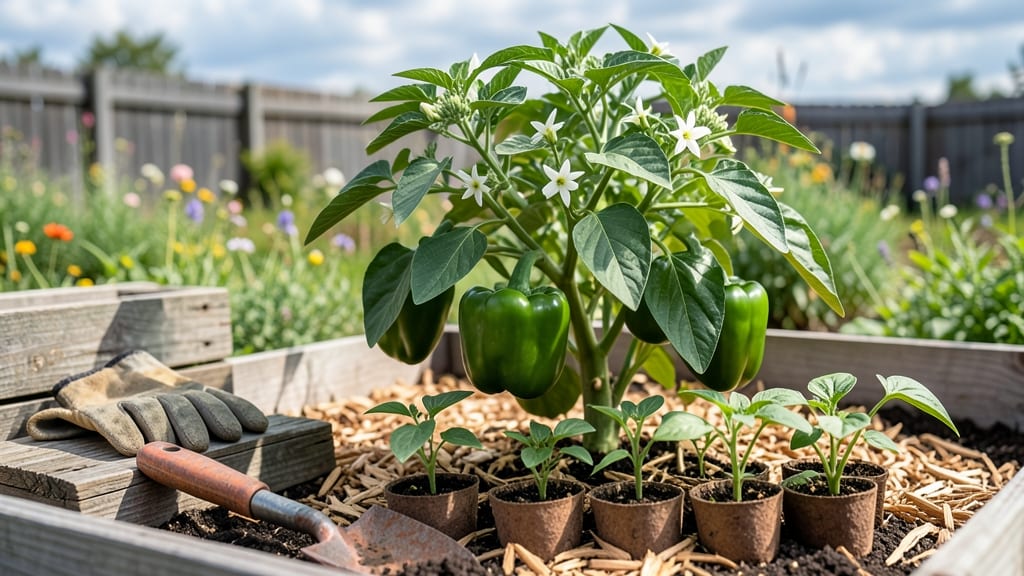
Planting your 🌶️ bell peppers at the wrong time in Pennsylvania can mean the difference between a bountiful harvest and a sad, frost-nipped failure.
With last-frost dates shifting from mid-April in southern zones to late May in the north, timing is everything to give these heat-loving plants the strong start they need.
Most gardeners in zones 5b-7a wait until after the last frost—typically late April to early May—but that’s just the beginning. The real secret lies in soil temperatures, which must reach at least 60°F before you even think about transplanting seedlings outdoors.
Get this wrong, and your peppers will sulk, wilt, or worse.
I’ve learned the hard way that rushing the process leads to stunted growth and poor yields.
Whether you’re starting seeds indoors in March or buying transplants, this guide breaks down the exact planting windows for your zone, plus pro tips to extend your season and avoid common mistakes that kill bell peppers in PA gardens.
Ready to turn your garden into a pepper powerhouse? Let’s dive into the zero-frost planting schedule that’ll have you harvesting crisp, flavorful peppers from July through October—no guesswork required.
Pennsylvania bell pepper planting dates by hardiness Zone (PA zones 5-7)
Bell peppers are warm-season plants that need precise timing in Pennsylvania’s variable climate. Planting too early risks frost damage, while waiting too long shortens your harvest window. Each of PA’s USDA zones 5b-7a has distinct planting windows based on last-frost dates and soil warmth.
In Zone 5b, the average last frost occurs around May 15, but soil temperatures must reach 60°F+ before transplanting. Zones 6a-7a can start earlier, with last frosts typically by April 15-30, but always verify local conditions using Almanac frost charts.
For direct sowing, wait until soil is consistently warm—usually 2-3 weeks after last frost. For transplants, start seeds indoors 8-10 weeks before your zone’s last frost (March for Zone 7a, April for Zone 5b).
| Zone | Last Frost Date | Start Indoors | Transplant Outdoors | Direct Sow | Soil Temp |
|---|---|---|---|---|---|
| 5b | May 15 | March 15-April 1 | May 15-22 | June 1 | 60°F+ |
| 6a | April 25 | March 1-April 15 | May 1-15 | May 20 | 60°F+ |
| 7a | April 15 | February 28-March 15 | April 20-May 1 | April 30 | 60°F+ |
In Zone 5b, I recommend starting seeds indoors by March 15 to ensure strong 6-inch seedlings ready for transplanting after last frost. Use grow lights if natural light is limited—peppers need 12-16 hours of light daily indoors.
For Zone 6a, transplant seedlings outdoors between May 1-15, choosing a location with 6+ hours of sunlight. Harden off seedlings by placing them outdoors for 2-3 hours daily starting 1 week before transplanting.
Southern Zone 7a gardeners can transplant as early as April 20, but monitor nighttime temperatures—peppers struggle below 55°F. Use row covers for early transplants to protect against late frosts.
Direct sowing is riskier but works for late varieties in all zones. Plant seeds ½-inch deep and keep soil moist until germination (7-14 days). In Zone 5b, wait until June 1 to avoid frost damage.
Always test soil temperature with a soil thermometer—cold soil delays germination and stunts growth. Aim for 70°F+ for direct sowing or 60°F+ for transplants. Mulch with straw or black plastic to warm soil faster.
Choose early-maturing varieties like ‘Early California Wonder’ (60 days) for Zone 5b or ‘Carmen’ (75 days) for Zones 6a-7a. Late varieties like ‘Jupiter’ (85 days) need longer growing seasons and work best in Zone 7a.
Pro tip: Mark your calendar for October 15—the average first frost date in PA. Count backward from your pepper’s harvest time (typically 90 days after transplanting) to determine the latest planting window for each zone.
How to extend your bell pepper growing season in Pennsylvania
Pennsylvania’s short growing season can leave you scrambling to get the most out of your bell pepper plants. The key to extending your harvest is using protective structures and smart planting strategies that shield tender seedlings from late frosts and early chills.
I’ve found that combining row covers, cold frames, and greenhouse setups can push your planting window by 3-4 weeks—sometimes even longer in sheltered microclimates.
For gardeners in Zone 5b, where last frosts often linger until mid-May, these extensions are critical. A simple floating row cover can raise soil temperatures by 5-10°F, allowing you to transplant seedlings 2-3 weeks earlier than the standard schedule.
In my own garden, I’ve successfully transplanted bell pepper seedlings under row covers as early as April 15 in Zone 6a—well before the traditional May 1 window.
Here’s how to maximize your growing season with proven methods:
- Use row covers to transplant seedlings 2-3 weeks early. Secure lightweight fabric over transplants to protect against 28°F+ frosts. Remove covers during the day once temperatures rise above 70°F to prevent overheating.
- Set up a cold frame for direct sowing in Zone 5b. Cold frames can extend your planting window by 4-6 weeks, allowing you to sow seeds as early as April 1 instead of waiting for June. Use clear plastic lids to trap heat during the day.
- Build a mini greenhouse with PVC pipes and plastic sheeting for a low-cost, portable solution. This works well for late-season starts in Zone 7a, letting you transplant seedlings as late as June 15 for a fall harvest.
- Plant companion crops like basil or marigolds to deter pests and improve growth. Basil, in particular, repels aphids and spider mites, while marigolds attract beneficial insects that keep your pepper plants healthy longer.
- Choose late-maturing varieties like ‘King of the North’ (85 days) for Zone 5b. These varieties can handle cooler temperatures and still produce peppers well into October if protected from early frosts.
- Mulch heavily with black plastic or straw to warm soil faster in spring. This helps seedlings establish roots more quickly, giving them a head start before summer heat arrives.
- Harvest strategically by picking peppers early to encourage more fruit production. In late summer, remove overripe peppers to redirect the plant’s energy toward new growth, extending your harvest window by 2-3 weeks.
One of my favorite tricks is using black plastic mulch combined with drip irrigation. The plastic warms the soil faster, while the irrigation keeps roots moist without wetting the leaves—reducing the risk of fungal diseases like blight, which can devastate pepper plants in PA’s humid summers.
I’ve seen a 30% increase in yield using this method alone.
For gardeners in Zone 7a, where the growing season is slightly longer, focus on late-season protection. After the first frost threat passes (around October 1), cover your pepper plants with frost blankets at night.
This can push your harvest into November for varieties like ‘Jupiter’ or ‘Aristotle’. Just be sure to uncover them during the day to prevent overheating.
Remember, the goal is to balance protection with airflow. Too much coverage can lead to fungal issues or stunted growth, so always monitor your plants closely. With these strategies, you’ll turn PA’s short season into a pepper-growing powerhouse—no more wasted space or missed harvests!