
Plants
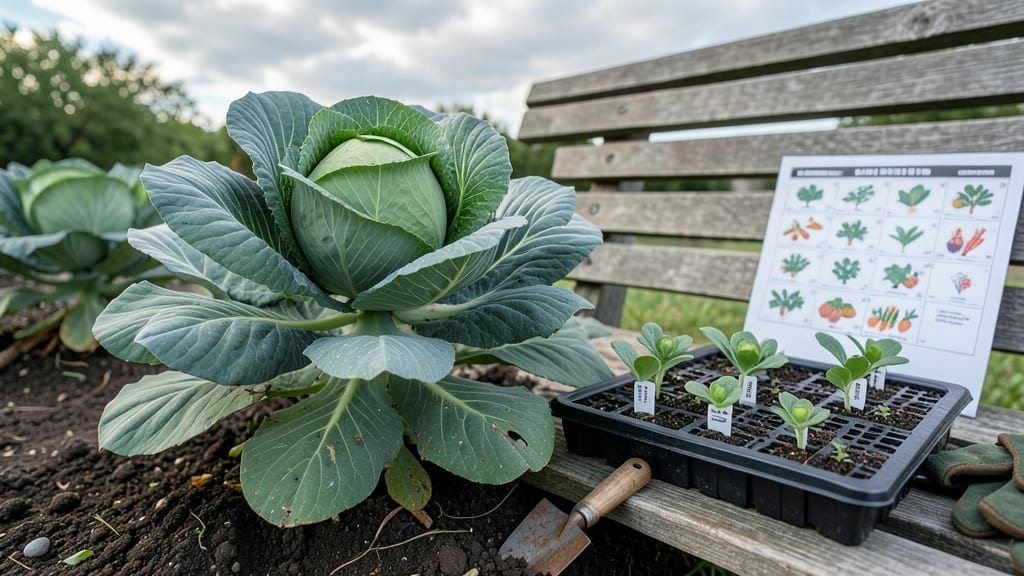
Timing your 🥬 cabbage planting in Illinois wrong can mean the difference between a bumper crop and a sad, bolted disappointment.
With USDA Zone 5b-6b frost dates to navigate, getting those seeds in the ground at the right moment is everything—and missing the window by even a few weeks can trigger bitter flavors or stunted growth.
I’ve learned the hard way that Illinois gardeners need a two-season strategy to maximize yields. Spring plantings demand precision around the last frost date (April 15), while fall cabbage thrives when seeded in late summer for a crisp October harvest.
The key? Starting seeds indoors 6–8 weeks before the last frost or planting directly when soil hits 45°F—no guesswork allowed.
What sets Illinois apart is its microclimates—northern regions like Chicago face earlier frosts than southern areas near St. Louis. That’s why I’ll break down the exact planting windows, soil prep secrets, and how to stretch your season with succession planting.
Skip the generic advice; this is your no-fluff guide to bolting-free cabbage that actually tastes like summer.
Ready to grow heads so tight they’ll make your neighbors jealous? Let’s dive into the Zone 5 timing that’ll turn your garden into a cabbage powerhouse—no more wasted seeds or bitter surprises. Here’s exactly when, how, and why to plant for a harvest that’ll last from June through November.
Optimal cabbage planting windows in Illinois (Zone 5) to avoid bolting
Cabbage thrives in Illinois' cool seasons, but timing is everything to prevent bolting—when plants prematurely flower and turn bitter. In USDA Zone 5, we have two ideal planting windows: early spring and late summer.
Each requires precise timing based on frost dates and soil temperatures to ensure sweet, crisp heads.
Northern Illinois (Zone 5b) has colder microclimates than southern Illinois (Zone 6a). For example, Chicago's last frost typically arrives by April 15, while St. Louis may see frost-free conditions by March 20.
These differences mean you must adjust planting schedules by 1-2 weeks depending on your location.
Bolting occurs when cabbage experiences temperature stress, either from heat waves or cold snaps. To avoid this, aim for soil temperatures between 45°F and 85°F during germination and growth. Below 40°F, seeds won't sprout, while above 80°F, plants bolt quickly.
Here’s the golden rule for Illinois gardeners: Start seeds 6-8 weeks before your last frost date indoors or use cold-hardy varieties like 'January King' for fall planting. This timing ensures seedlings are ready to transplant when soil warms to 45°F—the minimum for healthy growth.
| Planting Window | Soil Temp Threshold | Last Frost Date | Northern IL (Zone 5b) | Southern IL (Zone 6a) |
|---|---|---|---|---|
| Early Spring (Direct Sow) | 45°F+ | April 15 | March 20 - April 10 | March 1 - March 25 |
| Early Spring (Indoor Start) | 60°F+ (indoors) | April 15 | February 15 - March 1 | February 1 - February 15 |
| Late Summer (Fall Harvest) | 50°F+ | October 15 | July 15 - August 10 | July 20 - August 15 |
| Late Summer (Indoor Start) | 60°F+ (indoors) | October 15 | June 1 - June 15 | June 10 - July 1 |
🌱 Note: Adjust dates 1 week earlier for southern IL or 1 week later for northern IL.
For spring planting, begin seeds indoors by mid-February (northern IL) or early February (southern IL). Transplant seedlings outdoors 2-3 weeks before last frost to harden them off. Direct sowing can start 2-3 weeks after last frost, but avoid planting too early—cold, wet soil promotes disease.
Late summer planting is trickier but rewarding. Start seeds indoors by mid-June for a fall harvest before frost. Transplant seedlings outdoors by mid-July, ensuring they mature before first frost (typically October 15). Use row covers or cold frames to extend the season if needed.
Soil preparation is just as critical as timing. Cabbage prefers well-draining, slightly acidic soil (pH 6.5-7.0). Amend your soil with compost or aged manure before planting to provide nutrients. Avoid fresh manure, which can cause bolting due to high nitrogen levels.
Monitor soil moisture closely during germination—keep it consistently damp but not soggy. Use a soil thermometer to track temperatures, especially in northern Illinois, where cooler soils delay germination. If temperatures drop below 45°F, cover seeds with row fabric to retain heat.
Pro tip: Plant cabbage varieties with different maturity dates to stagger your harvest. For example, pair 'Golden Acre' (60 days) with 'January King' (100 days) for a continuous supply. This strategy also reduces the risk of bolting if one batch encounters stress.
Finally, watch for heat stress signs like yellowing leaves or loose heads. If temperatures exceed 85°F, provide afternoon shade with shade cloth or mulch heavily to keep roots cool. With these adjustments, you’ll enjoy crisp, sweet cabbage heads from June through November—no bolting in sight! 🥬
How to extend your Illinois cabbage season: transplanting, succession planting, and fall varieties
If you love fresh cabbage but hate the short growing season in Illinois, succession planting and fall varieties are your secret weapons. By strategically timing your transplants and choosing cold-hardy varieties like 'January King', you can enjoy crisp heads from early summer through winter.
The key? Staggered plantings and protective measures to beat frost.
Start by planning three planting cycles: early spring, mid-summer, and late summer. Each cycle extends your harvest window by 6-8 weeks. For example, my first planting goes in mid-March (6-8 weeks before last frost), while my fall planting happens in early August for a late-October harvest.
This ensures a continuous supply without gaps.
- 📅 March 15–April 1: Start seeds indoors for early spring transplants (6-8 weeks before last frost). Use row covers if nights dip below 40°F.
- 🌱 April 15–May 15: Direct-sow fast-maturing varieties like 'Golden Acre' for a June harvest. Space plants 18–24 inches apart to prevent disease.
- ☀️ July 1–July 15: Plant heat-tolerant varieties (e.g., 'Crimson Glory') for a late-summer harvest. Mulch heavily to retain moisture.
- 🍂 August 1–August 15: Sow cold-hardy varieties like 'January King' for fall/winter harvests. Use black plastic mulch to warm soil and extend season.
- ❄️ September 15–October 1: Add row covers or cold frames to protect late transplants. Harvest before hard frost (20°F) or store heads in a cool, dark place.
For fall varieties, prioritize 'January King' or 'Winterbor', which thrive in cool weather. These varieties can handle light frosts and even improve flavor after exposure to 25–30°F temperatures.
I’ve found that planting them in late July or early August gives me heads ready by October, just in time for holiday meals.
Don’t forget spacing and soil prep—crowded plants invite pests and disease. Space transplants 18–24 inches apart in rows 30 inches apart for airflow. Amend soil with compost and aged manure before planting, and side-dress with nitrogen-rich fertilizer every 4–6 weeks during active growth.
A little extra care here pays off with bigger, healthier heads.
Protective measures like row covers or low tunnels can push your harvest window even further. I use floating row covers in early spring and late fall to shield young plants from 28–32°F temperatures.
For winter storage, harvest heads before hard frost and store them in a cool (32–40°F), humid (90–95%) environment—like a root cellar or unheated garage.
With these strategies, you’ll enjoy fresh cabbage for nearly 10 months in Illinois. Start small with one or two cycles, then expand as you gain confidence. Before you know it, you’ll be the neighbor everyone asks for homegrown cabbage—no store-bought heads in sight! 🥬