
Plants
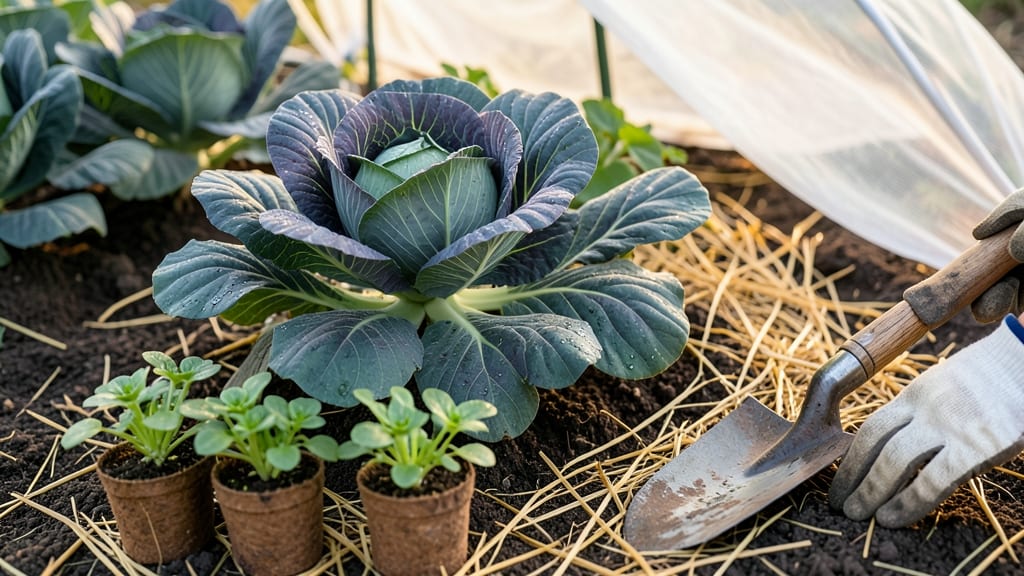
Planting cabbage in Michigan isn't just about timing—it's about outsmarting the 5b-6b zone's unpredictable frosts and short growing season. That first frost can sneak in by mid-October, while late spring freezes still lurk in April, turning your 🥬 dreams into a sad, wilted mess.
But here's the good news: with the right schedule, you can grow crisp, flavorful heads from early spring to late summer. Whether you're starting seedlings indoors or sowing directly, I'll break down the exact frost-free windows for Michigan's two planting seasons—plus which varieties thrive in our climate.
Skip the guesswork and learn how to time your cabbage perfectly for maximum yield, whether you're aiming for a spring harvest or a fall bounty. We'll cover everything from soil prep to spacing, so your garden becomes the envy of the neighborhood.
Ready to grow cabbage like a pro? Let's dive into the step-by-step planting timeline that actually works in Michigan's variable weather.
Michigan cabbage planting timeline by frost dates and variety types
Michigan’s USDA zones 4-6 create a delicate balance for growing cabbage—too early, and frost zaps tender seedlings; too late, and summer heat triggers bolting.
The key is aligning your variety type with Michigan’s average last frost dates (mid-April in southern Michigan to early May in the north) and first frost (mid-October to early November). Here’s how to time it right for spring and fall harvests, whether you’re direct-sowing seeds or transplanting seedlings.
Cabbage thrives in Michigan’s cool spring and fall seasons, making it a perfect fit for the state’s short growing season. Early varieties like ‘Golden Acre’ (58 days) mature quickly, while late varieties such as ‘Hubbard’ (100 days) need a longer season.
The trick? Plant early varieties in spring and late varieties in late summer to stagger your harvest and avoid bolt risk during Michigan’s unpredictable June heatwaves.
The summary-table below breaks down planting windows by variety type and USDA zone, including critical frost dates and transplanting tips. Use this as your roadmap to avoid common pitfalls like frost damage or heat stress.
| Variety Type | Planting Window (Spring) | Planting Window (Fall) | Days to Maturity | Transplant Tip |
|---|---|---|---|---|
| Early (e.g., Golden Acre) | March 15–April 15 (Zone 6) April 1–April 30 (Zone 4) |
July 1–July 15 (all zones) | 55–65 days | Transplant after soil reaches 40°F; use row covers for frost protection. |
| Mid-Season (e.g., Savoy) | April 1–May 1 (all zones) | July 15–August 1 | 65–80 days | Hardened seedlings 2–3 weeks before last frost; space 18–24 inches apart. |
| Late (e.g., Hubbard) | April 15–May 15 (Zone 6) May 1–May 15 (Zone 4) |
August 1–August 15 | 85–100 days | Transplant after June 15 to avoid bolting; choose shade-tolerant varieties. |
For direct sowing, plant seeds 1/4 inch deep and 12–18 inches apart in well-draining soil with a pH of 6.5–7.0. Seeds germinate best at 70–80°F, so avoid sowing until soil warms in late April or May.
If you’re transplanting, start seeds indoors 6–8 weeks before your last frost date and harden them off for 7–10 days before moving to the garden.
Michigan’s northern zones (4a-4b) have a shorter growing season, so focus on early and mid-season varieties for spring and late varieties for fall. In southern Michigan (Zone 6a-6b), you can extend your season by planting fall crops in July and using row covers to protect against early frosts.
Always monitor local frost forecasts—a late frost in May or early October can still damage tender cabbage leaves.
Pro tip: Use succession planting every 2–3 weeks in spring to ensure a continuous harvest. For example, plant a batch of ‘Golden Acre’ on March 15, another on April 1, and a final batch on April 15.
This staggered approach maximizes your yield and reduces the risk of losing an entire crop to pests or weather.
When transplanting, choose overcast days or late afternoon to minimize transplant shock. Water seedlings thoroughly before and after transplanting to help them establish roots quickly. Mulch with straw or grass clippings to retain moisture and suppress weeds, which is especially critical during Michigan’s dry summer months.
Fall-planted cabbage benefits from cooler temperatures, which slow bolting and improve head formation. Start seeds indoors in late June for a late August transplant, or direct-sow in early July if your growing season is long. Harvest before hard frosts hit—cabbage stores
How to adjust cabbage planting for Michigan’s unpredictable weather patterns
Michigan’s weather throws curveballs—one week brings late spring frosts, the next delivers 90-degree heatwaves that can send cabbage bolting. The key to success? Flexibility. I’ve learned to adapt planting strategies based on microclimates (northern vs. southern Michigan) and use tools like row covers to extend seasons.
Let’s break down how to protect your cabbage from Mother Nature’s whims.
First, recognize that northern Michigan’s shorter growing season (USDA Zone 4-5) demands early-maturing varieties like ‘Early Jersey Wakefield’ (50 days), while southern Michigan’s longer season (Zone 6) can handle later varieties like ‘Golden Acre’ (90 days).
Swap varieties based on your last frost date—check your local Michigan State University Extension frost maps for precision.
⚠️ WARNING: Michigan’s Frost Risks & Heat Stress ⚠️
For succession planting, stagger transplants every 2-3 weeks from late April through early July. This ensures a continuous harvest and spreads risk if one batch fails due to unpredictable weather.
For example, plant ‘Golden Ball’ (70 days) in early May, then follow with ‘Red Express’ (60 days) in late May—this way, you’ll have cabbage ready in July and August before fall frosts arrive.
In northern Michigan (Traverse City, Marquette), focus on early varieties and use cold frames to extend harvests into October. Southern Michigan (Detroit, Kalamazoo) can push later varieties but must monitor first frost dates—aim to harvest before October 15 to avoid damage.
Pro tip: Plant ‘Savoy King’ (85 days) in late July for a fall harvest before winter sets in.
Don’t overlook soil moisture management—Michigan’s drought-prone summers can stress cabbage. Use drip irrigation to deliver 1-2 inches of water weekly, and apply mulch (straw or grass clippings) to retain moisture.
In low-lying areas, cabbage may suffer from waterlogged soil, so raise beds or improve drainage with compost.
Finally, keep an eye on pests and diseases—Michigan’s humid summers create perfect conditions for cabbage worms and clubroot. Use diatomaceous earth for worms and rotate crops yearly to prevent soil-borne diseases. With these adjustments, you’ll turn Michigan’s unpredictable weather into a cabbage-growing advantage. 🥬