
Plants
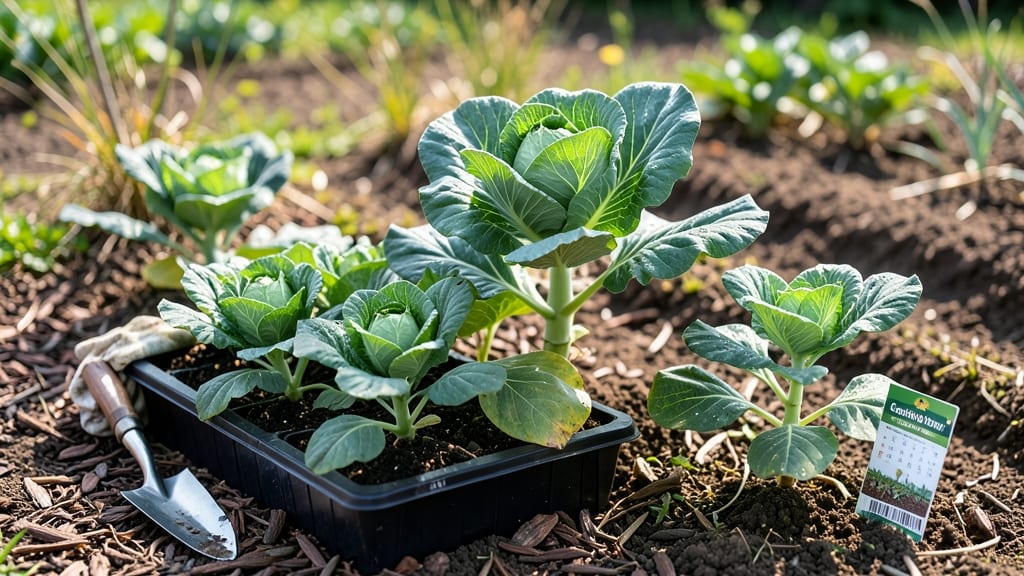
Timing your 🥬 cabbage planting in Kentucky isn’t just about the calendar—it’s about outsmarting the Bluegrass State’s unpredictable frost dates and summer heat. Plant too soon, and a late frost will turn your seedlings into sad, wilted memories.
Wait too long, and your heads won’t mature before the July heat sends them bolting. The key? Nailing those spring and fall windows—March 15 to April 30 for early harvests, or July 1 to August 15 for fall crops.
Here’s the game-changer: Kentucky’s USDA Zone 6a climate means your county’s last frost date can vary by weeks, even within the same region.
Whether you’re in Louisville’s urban heat island or the cooler hills of Harlan, knowing exactly when to plant—down to the week—makes the difference between a bountiful harvest and a grocery store detour. I’ll break down the science behind frost dates, heat tolerance, and how to adjust for your specific microclimate.
You’ll also discover whether seeds or transplants work better for your schedule (spoiler: it depends on your county’s frost history), plus how to stretch your growing season with shade cloth and row covers. No more guessing—just data-driven planting that guarantees firm, flavorful heads from June to November.
Ready to turn your Kentucky garden into a cabbage powerhouse? Let’s dive into the frost-date calculator, variety tips, and the 3 biggest mistakes Kentucky gardeners make—and how to avoid them.
Kentucky cabbage planting dates by frost Zone & county
Kentucky’s diverse climate means frost dates vary dramatically across its five regions. Whether you’re in the Bluegrass or the Jackson Purchase, timing your cabbage planting correctly ensures a thriving harvest.
The key is understanding your USDA zone and local frost averages—because planting too early risks frost damage, while late planting may leave your cabbage struggling in summer heat.
Most of Kentucky falls within USDA Zones 6a-7b, but microclimates create 10-14 day differences in frost dates. For example, Harlan County in the Appalachian region often sees its last frost April 20-25, while Henderson County in the West may wait until April 5-10.
Use these regional guidelines to align your planting with your county’s frost history.
| Region | Counties | Avg Last Frost | Avg First Frost | Spring Planting Window | Fall Planting Window |
|---|---|---|---|---|---|
| West | Henderson, Union, Webster | April 5-10 | October 20-25 | March 15-April 15 | July 15-August 10 |
| East | Letcher, Harlan, Pike | April 20-25 | October 10-15 | March 25-April 20 | July 1-August 5 |
| Bluegrass | Fayette, Jefferson, Jessamine | April 10-15 | October 15-20 | March 20-April 20 | July 10-August 10 |
| Pennyrile | Ballard, Carlisle, McCracken | April 5-10 | October 20-25 | March 15-April 15 | July 15-August 10 |
| Jackson Purchase | Hopkins, Caldwell, Livingston | April 5-10 | October 15-20 | March 15-April 15 | July 1-August 10 |
For precise timing, use the National Weather Service’s frost calculator or check your county’s local extension office for recent data. For example, Fayette County in the Bluegrass region often sees its last frost around April 12, while Hopkins County in the Jackson Purchase may delay until April 8.
Adjust your planting schedule accordingly—spring cabbage needs 60-70 days to maturity, so aim to plant 4-6 weeks before your last frost.
If you’re planting for a fall harvest, start seeds indoors 8-10 weeks before your first frost date. For Kentucky’s USDA Zone 6a regions like Letcher County, this means starting seeds around July 1 for a late-October harvest.
In warmer Zone 7b areas like Henderson County, you can push it to July 15 or even early August for a November harvest.
Pro tip: Use row covers or cold frames to extend your planting window in counties with late frosts, like Knott or Whitley. These tools can push your spring planting back by 2-3 weeks or protect fall seedlings from early cold snaps.
Just remove covers when plants are established to avoid overheating.
Heat-sensitive varieties like ‘Golden Acre’ or ‘Cavalo’ thrive in Kentucky’s spring and fall but struggle in summer. For these, focus on early spring (March) or late summer (August) plantings. In contrast, ‘Red Express’ or ‘Early Jersey Wakefield’ tolerate slightly warmer conditions, giving you flexibility in late-spring plantings.
Always verify your soil temperature before planting—cabbage seeds need 50°F+ to germinate. Use a soil thermometer to check, especially in shady or high-altitude areas where soil warms slower. For example, Mountain counties like Leslie may need to wait until mid-April for soil to reach the ideal temperature.
Finally, avoid the common mistake of planting transplants too late. If you buy seedlings from a nursery, plant them 2-3 weeks before your last frost date—they’re more resilient than seeds but still need time to establish roots.
In southern Kentucky, this might mean late March, while northern counties should wait until early April.
With these regional guidelines, you’ll nail your cabbage planting dates and enjoy a bountiful harvest—whether you’re in Louisville’s Bluegrass or Paducah’s Pennyrile. Happy gardening! 🥬
How to adjust cabbage planting for Kentucky’s microclimates & heat tolerance
Kentucky’s microclimates can throw off even the most experienced gardener. In Letcher County, late frosts linger until April 25, while Harlan’s higher elevations may see frost as late as May 5.
Meanwhile, Louisville’s urban heat island can push summer soil temps to 95°F+, stressing cabbage plants. The solution? Adjust your planting strategy to match your county’s heat tolerance and frost history.
For summer heat protection, I recommend shade cloth (30-50%) over young plants when temps exceed 85°F. This mimics the cooler conditions cabbage craves and prevents bolting—when plants flower prematurely.
In eastern Kentucky, where humidity spikes in July, shade cloth also reduces fungal risks like downy mildew.
Here’s how to stretch your growing season with succession planting and row covers:
Pro tip: In humid regions like Madison County, water deeply at dawn to reduce fungal spores. Avoid overhead watering after 6 PM—this gives fungi a 24-hour head start. For drought-prone areas, drip irrigation paired with mulch cuts water use by 40% while maintaining head firmness.
Even with these adjustments, late-summer heat can still stress cabbage. If your plants start yellowing or bolting, harvest what you can and replant ‘Belstar’ (a heat-resistant hybrid) in early September for a fall harvest. The key is flexibility—Kentucky’s climate rewards those who adapt their planting schedule.