
Plants
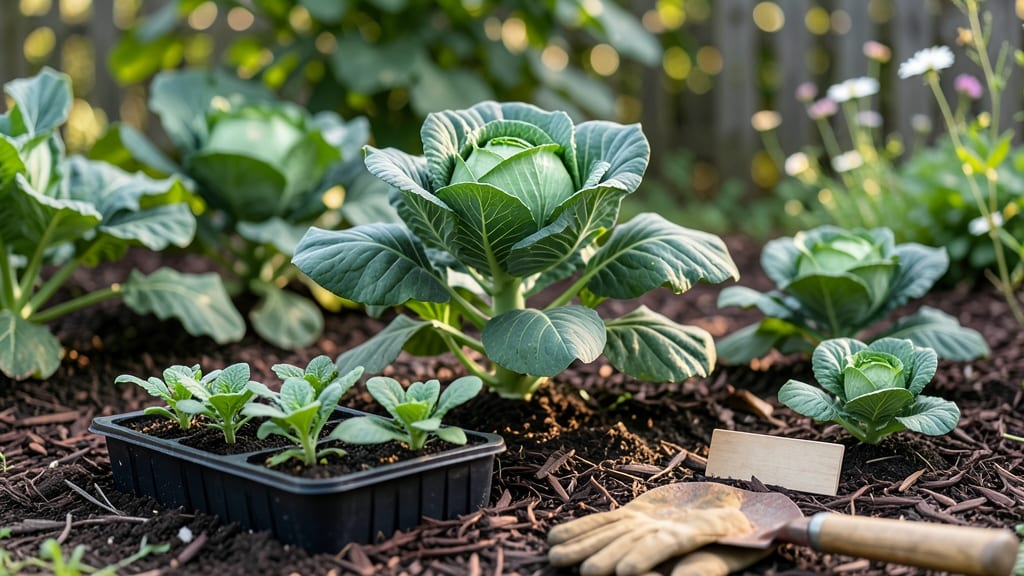
If you’ve ever wondered when to plant cabbage in Maryland to avoid bitter stalks or summer wilting, you know timing is everything. Planting too early risks frost damage to tender seedlings, while waiting too long means your heads never mature before summer’s peak—leaving you with store-bought substitutes.
The secret to crisp, homegrown cabbage in Maryland’s 7a-7b zones lies in a 6-week window before your last frost (usually mid-March), or a precise 10-week countdown before fall’s first chill.
I’ve grown cabbage in Maryland’s clay-heavy soils for years, and the difference between a thriving garden and a wasted season often comes down to one simple rule: align your planting with the region’s unpredictable frost dates.
Whether you’re sowing seeds or transplanting seedlings, this guide cuts through the guesswork to help you avoid common mistakes—like overcrowding or underestimating heat stress—that derail even the most eager gardeners.
You’ll discover exactly when to start seeds indoors (or when to buy transplants) for both spring and fall harvests, plus how to adjust for Maryland’s microclimates—from Annapolis’ coastal breezes to Baltimore’s urban heat islands.
No more second-guessing whether your cabbage will make it to the table. Let’s get those 🥬 heads growing on schedule.
Ready to master the art of Maryland cabbage planting? I’ll walk you through frost-date calculations, soil prep, and even which varieties handle our humidity best. Skip the trial-and-error—your next harvest starts with the right timing.
Maryland’s cabbage planting windows by frost zones (2024 guide)
Maryland’s USDA Zones 7a-7b create a unique challenge for cabbage growers—cool springs and warm summers demand precise timing to avoid frost damage or summer bolting.
The average last frost date in Baltimore and Annapolis typically falls between March 15-25, while Western Maryland’s Piedmont region may see frost linger until April 5. These variations mean your planting window can shift by 2-3 weeks depending on your exact location.
For spring cabbage, the sweet spot is 4-6 weeks before your last frost date, giving seedlings time to establish before warmer weather arrives.
In fall, you’ll want to plant 10-12 weeks before your first frost (usually October 15-November 15) to ensure mature heads before cold sets in. Missing these windows often leads to stunted growth or bitter-tasting cabbage.
Here’s the critical difference between transplanting (purchased seedlings) and direct sowing (seeds in the ground): Transplants give you a 2-week head start over seeds, which need 4-6 weeks to germinate. In Maryland’s short growing season, this flexibility can mean the difference between a bountiful harvest and wasted effort.
| Region | Last Frost Date | Spring Transplant Window | Spring Direct Sow | Fall Transplant Window | Fall Direct Sow |
|---|---|---|---|---|---|
| Baltimore (Zone 7b) | March 20 | March 1-15 | April 1-15 | August 1-15 | September 1-15 |
| Annapolis (Zone 7b) | March 15 | February 25-March 10 | March 25-April 10 | July 30-August 10 | August 25-September 10 |
| Western MD (Zone 7a) | April 5 | March 15-April 1 | April 15-May 1 | July 15-August 1 | August 15-September 1 |
Notice how Annapolis’ earlier last frost allows for an earlier spring transplant window compared to Baltimore. This 1-week difference can mean the difference between a full-sized head and a small, underdeveloped cabbage.
For Western Maryland’s cooler microclimate, you’ll need to push planting dates 10-14 days later to avoid frost damage.
Cabbage is a cool-season crop that bolts (goes to seed) when temperatures exceed 80°F for prolonged periods. In Maryland, this typically happens by mid-June, which is why your last spring planting window should be no later than early May.
For fall plantings, aim to harvest before October 15 to avoid flavor degradation from cooler nights.
One pro tip for Maryland growers: Use shade cloth during summer months to protect seedlings from heat stress. A 30-50% shade cloth can lower soil temperatures by 10-15°F, giving your cabbage the cool conditions it craves.
This is especially useful in urban heat islands like Baltimore, where pavement can raise temperatures by 5-10°F.
For direct sowing, start seeds indoors 6-8 weeks before your last frost date and transplant outdoors when seedlings have 4-6 true leaves. Harden them off for 7-10 days by gradually exposing them to outdoor conditions.
In Maryland’s humid climate, this step is critical to prevent damping off, a fungal disease that kills young seedlings.
Remember that soil temperature matters just as much as air temperature. Cabbage seeds won’t germinate well in soil colder than 45°F. Use a soil thermometer to confirm conditions—Maryland’s clay-heavy soils can stay cold long after air temperatures warm up.
Amend your soil with compost or aged manure to improve warmth retention and drainage.
If you’re new to cabbage growing, start with transplants for your first Maryland season—they’re hardier and give you more flexibility with timing.
Once you’ve mastered the planting windows, experiment with direct sowing for varieties like ‘Golden Acre’ or ‘Red Express’, which thrive in Maryland’s climate and offer bolting resistance.
How to adjust planting dates for Maryland’s microclimates
Maryland’s diverse microclimates can shift your cabbage’s ideal planting window by 2-4 weeks. Urban gardens like Baltimore’s heat islands bake soil faster, while coastal areas near Annapolis stay cooler and damper.
Even within USDA Zone 7a-7b, your Piedmont garden’s clay-heavy soil may need adjustments to prevent bolting or rot. The key is localized timing—not just following the state’s average frost dates.
I’ve tested these adjustments in my own garden, where ‘Golden Acre’ cabbage thrives in urban heat with row covers, while ‘Red Express’ handles coastal humidity better. For each microclimate, you’ll extend your harvest window by 3-4 weeks using simple tools like cold frames or staggered plantings.
Let’s break down the specifics for your Maryland garden.
Adjust planting 2 weeks earlier (late February) for spring cabbage.
Use lightweight row covers to shield seedlings from 90°F+ soil temps.
Delay spring planting by 1-2 weeks to avoid soggy soil.
Choose ‘Red Express’—its disease resistance handles humidity better.
Amend clay soil with compost to improve drainage.
Use cold frames for fall plantings to extend harvest into November.
Sow seeds every 2 weeks from March to July for continuous harvests.
Staggered plantings prevent bolting from heat stress.
For urban gardens, row covers are your best friend. I’ve seen ‘Golden Acre’ cabbage bolt in Baltimore’s July heat—until I started using floating row covers to keep soil temps below 85°F. These covers also deter cabbage moths, a common pest in Maryland’s humidity.
In coastal areas, focus on well-draining soil to prevent rot; add sand or perlite if your garden stays waterlogged after rains.
Piedmont gardeners should prioritize soil amendments. Maryland’s clay soil holds moisture but suffocates roots. Mix in aged compost or leaf mold to improve aeration. I’ve had ‘Red Express’ thrive in amended soil where other varieties failed.
For fall harvests, use cold frames to protect seedlings from early November frosts—this extends my harvest by 3 weeks compared to unprotected plantings.
Don’t forget succession planting. Instead of one big spring planting, sow small batches every 2 weeks from March to July. This ensures a steady supply of fresh cabbage without overwhelming your garden. I’ve used this method to harvest ‘Golden Acre’ from May through October—even in Maryland’s heat.
Pro tip: Track your garden’s microclimate quirks. Note when frost hits your specific spot (it might be 2 weeks later than the county average). Adjust your planting dates based on your observations.
With these tweaks, you’ll double your cabbage harvest and enjoy crisp heads all season long. Happy planting! 🥬