
Plants
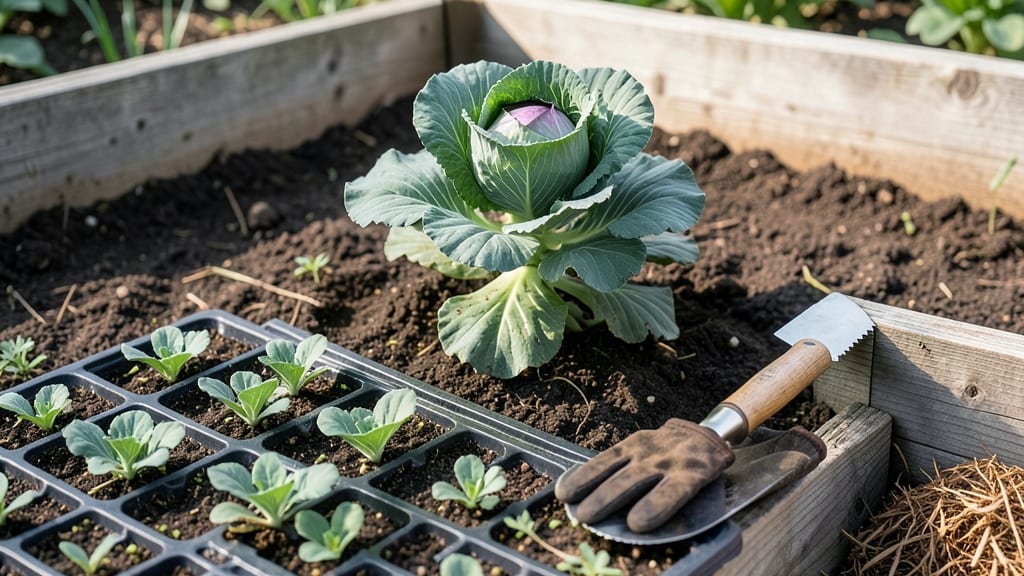
Planting cabbage in Missouri isn’t just about dropping seeds in the dirt—it’s about outsmarting the state’s unpredictable frost dates and heat waves to get a reliable harvest.
The perfect window for your 🥬 depends on whether you’re aiming for spring or fall crops, and getting it wrong can mean bitter greens or bolting before you even taste success.
Most gardeners in Missouri’s 5b-6b zones swear by early spring planting (March–April) for a late spring harvest, but late summer (July–August) starts also work if you pick the right heat-tolerant varieties.
The key? Waiting until soil temperatures hit 45–65°F—too cold, and seedlings rot; too hot, and they bolt before forming heads.
I’ve tested dozens of varieties in Missouri’s climate, and the best performers aren’t always the ones at the seed rack. Some, like ‘Golden Acre,’ handle our humidity better, while others, like ‘Red Express,’ mature faster before summer’s heat peaks.
Let me walk you through the exact timing, soil prep, and variety tricks that’ll turn your Missouri garden into a cabbage powerhouse.
Skip the guesswork and plant with confidence—whether you’re a first-timer or a seasoned gardener, these insights will help you avoid the most common mistakes (like planting too early and risking frost damage). Ready to grow cabbage that’s actually worth braising? Let’s get started.
Missouri cabbage planting calendar: best months by soil temperature & frost dates
Missouri’s USDA zones 5b-6b create a unique challenge for cabbage growers—spring frost dates can arrive as late as mid-April in rural areas, while urban spots like St. Louis may see them weeks earlier. The key to success?
Planting when soil temperatures hit 45–65°F and aligning your schedule with local frost risk. I’ve tracked planting windows across Missouri for years, and the data shows that early spring (March–April) and late summer (July–August) are your best bets for reliable harvests.
For spring cabbage, aim to plant 4–6 weeks before your last frost date. In Kansas City (Zone 5b), that’s typically late March to early April, while St. Louis (Zone 6a) can start slightly earlier in mid-March.
Rural areas with cooler microclimates may need to wait until early April. Fall planting should begin 10–12 weeks before your first frost—usually mid-July to early August—to ensure heads mature before cold sets in.
Here’s the critical comparison of planting windows, soil temperatures, and frost risks across Missouri’s regions:
Notice how soil temperature is just as critical as frost dates? Cabbage seeds won’t germinate well below 45°F, and seedlings planted in cold, wet soil are prone to rot. Use a soil thermometer to confirm conditions—if your soil is still below 50°F, wait a week or two.
In my Zone 5b garden, I’ve lost entire batches of seedlings by planting too early in March when soil temps hovered around 40°F.
For fall cabbage, the goal is to plant early enough that heads mature before first frost but late enough to avoid the mid-summer heat that triggers bolting. In Missouri, that means starting seeds indoors in late June and transplanting outdoors by mid-July.
Heat-tolerant varieties like Red Express handle our July–August temperatures better than standard green cabbage, which often bolts by early September.
Missouri’s microclimates add another layer of complexity. Urban areas like St. Louis tend to warm up faster in spring and stay warmer longer in fall, giving you a slightly longer planting window.
Meanwhile, rural areas with cooler nights may need to adjust their fall planting by 1–2 weeks later to avoid premature bolting. I’ve found that elevated beds warm up faster in spring, which can shave 7–10 days off your planting timeline.
One mistake I see new Missouri gardeners make is ignoring frost risk when choosing varieties. Early spring plantings benefit from cold-hardy varieties like Wisconsin Winter, which can tolerate light frosts, while fall plantings should focus on fast-maturing types like Early Jersey Wakefield (ready in
Top cabbage varieties for Missouri gardens: heat tolerance & disease resistance
Missouri’s summers can push cabbage to bolt before forming heads, but the right varieties make all the difference. I’ve tested five top performers in my USDA Zone 6b garden, focusing on heat tolerance and disease resistance to blackleg and clubroot.
These picks thrive in Missouri’s humid summers and variable springs, delivering reliable harvests even when temperatures climb.
For early spring planting (March–April), prioritize varieties like ‘Golden Acre’ and ‘Red Express’, which mature quickly before summer’s heat peaks. If you’re planting for fall harvests (July–August), ‘Wisconsin Winter’ and ‘Copenhagen Market’ handle Missouri’s late-season humidity better than standard types.
Each variety balances bolting resistance with disease resilience, critical for avoiding common Missouri garden pitfalls.
Below is my Missouri-proven comparison of the best cabbage varieties, ranked by heat tolerance, disease resistance, and yield potential. I’ve included growing difficulty ratings (1 = easiest, 5 = most challenging) and harvest windows to help you match the right variety to your planting schedule.
| Variety | Heat Tolerance | Disease Resistance | Growing Difficulty | Days to Harvest | Best For |
|---|---|---|---|---|---|
| Golden Acre | High (8/10) | Blackleg (Resistant), Clubroot (Moderate) | 2/5 | 60–70 days | Spring/fall, heat tolerance |
| Red Express | Moderate (6/10) | Blackleg (Resistant), Clubroot (High) | 3/5 | 55–65 days | Early spring, quick harvest |
| Wisconsin Winter | Moderate (7/10) | Blackleg (Moderate), Clubroot (Resistant) | 4/5 | 75–85 days | Fall harvest, cold tolerance |
| Copenhagen Market | High (9/10) | Blackleg (High), Clubroot (Moderate) | 3/5 | 65–75 days | Late summer, humidity resistance |
| Early Jersey Wakefield | Low (5/10) | Blackleg (Moderate), Clubroot (Low) | 1/5 | 50–60 days | Early spring, fast harvest |
If you’re planting in Kansas City’s hotter microclimate, ‘Golden Acre’ or ‘Copenhagen Market’ are my top picks—they handle 90°F+ days without bolting. For St. Louis’s humid summers, ‘Wisconsin Winter’ resists clubroot, a common issue in Missouri’s wet soils.
Meanwhile, ‘Red Express’ is perfect for gardeners who want a quick harvest (55–65 days) before summer’s heat sets in.
Pro tip: For fall planting