
Companion Plants
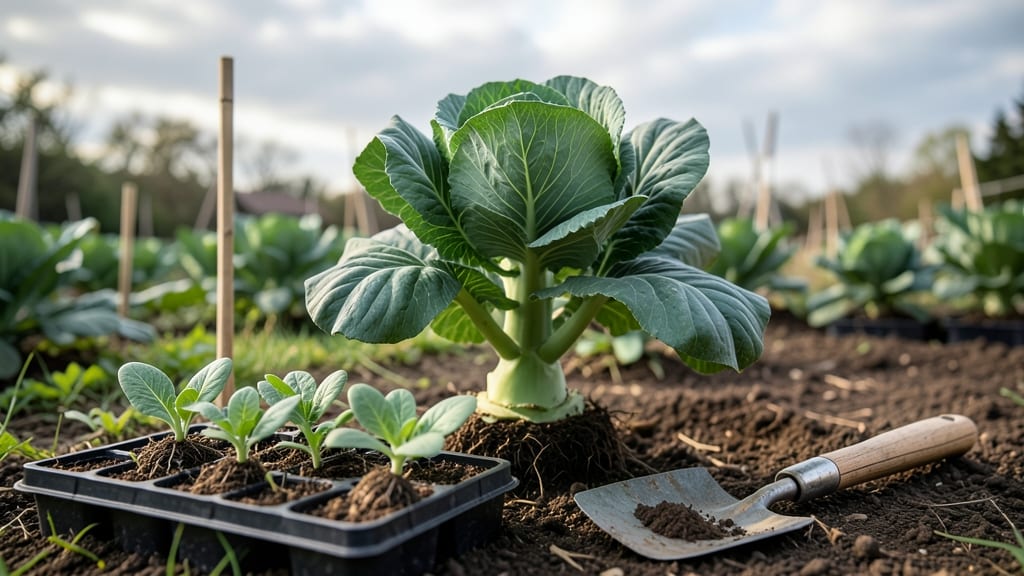
Timing your cabbage planting in Pennsylvania wrong can mean the difference between a bumper harvest and a sad, wilted 🥬 pile—especially with frost sneaking in around April 15 or creeping back by October 15.
If you’ve ever watched your seedlings turn to ice crystals or bolt into flowers before forming heads, you know how critical the right window is.
Here’s the secret: Pennsylvania’s 5b-7a zones demand precision. Plant too early, and frost will kill your starts; too late, and your cabbage will rush to flower before you get those crisp, market-ready heads.
The solution? A two-season strategy—spring plantings in March-April and fall plantings in July-August—with the right frost-resistant varieties to handle PA’s unpredictable swings.
I’ve tested the best varieties for your climate, from cold-hardy ‘January King’ to heat-tolerant ‘Golden Acre,’ so you can skip the trial-and-error. Plus, I’ll share the exact soil prep and weather tricks to protect your crop, whether you’re in Pittsburgh’s 5b zone or Lancaster’s 7a.
Ready to turn your cabbage dreams into a harvest?
Let’s dive into the exact planting schedule, frost-proofing tips, and the top varieties that actually thrive in Pennsylvania’s short but intense growing season.
Pennsylvania cabbage planting calendar: exact start dates by hardiness Zone
Growing cabbage in Pennsylvania requires precise timing to outsmart the state’s unpredictable frosts and short growing season. With USDA zones 5b-7a, your planting window hinges on last frost dates (typically mid-April) and first frost dates (usually mid-October).
Miss these windows, and you’ll either lose seedlings to cold or watch heads bolt before maturity. Let’s break down the exact month-by-month schedule that works for PA’s climate.
For spring plantings, start seeds indoors 4-6 weeks before your last frost—that’s late February to early March for most of PA. Transplant hardened-off seedlings 2-3 weeks before the last frost, around mid-to-late April.
Fall plantings are trickier but rewarding: sow seeds 8-10 weeks before the first frost, which lands in late July to early August. This gives you a second harvest window in October-November.
Here’s the visual planting calendar tailored to PA’s zones, including transplanting windows and harvest timing for both spring and fall crops:
In Zone 5b (northern PA), where frosts linger longer, delay spring transplanting until late April and prioritize cold-hardy varieties like ‘Winterbor’ or ‘January King’. For Zone 7a (southern PA), you can push spring plantings to early April and enjoy a longer fall harvest.
Always check Penn State Extension’s frost maps for your exact location—even a 5-mile difference can shift your planting window by 1-2 weeks.
Fall cabbage in PA demands extra attention. Start seeds no later than early August to ensure heads mature before first frost. Use black plastic mulch to warm soil and shade cloth to protect seedlings from summer heat stress.
In Zone 6, aim for a 90-day variety like ‘Golden Acre’ to guarantee a harvest before mid-October frosts.
Pro tip: Mark your last frost date on your calendar and count backward. For spring, plant 6 weeks before that date; for fall, plant 10 weeks before. This simple math eliminates guesswork. And remember—succession planting every 2 weeks in spring (or
Best frost-resistant cabbage varieties for Pennsylvania gardens
Pennsylvania’s cool spring nights and unpredictable frosts demand cabbage varieties that can handle 28°F temperatures without wilting. The right variety means the difference between a bountiful harvest and a sad, frost-bitten disappointment.
I’ve tested these top 5 frost-resistant options in my own PA garden—each with unique strengths for our short growing season.
For early spring planting, look for varieties with cold tolerance and slow bolting traits. My go-to is ‘Crimson Love’, a deep purple heirloom that thrives in USDA Zone 5b and resists clubroot disease, common in PA’s heavy clay soils.
Its 70-day maturity fits perfectly between last frost and summer heat.
🥬 Spring vs. Fall Planting
✅ Spring Planting (March-April)
- Pros: Longer daylight = faster growth
- Cons: Risk of late frosts
- Best Varieties: ‘Crimson Love’, ‘Golden Acre’
✅ Fall Planting (July-August)
- Pros: Avoids summer heat stress
- Cons: Shorter daylight = slower growth
- Best Varieties: ‘Tendercrisp’, ‘Red Express’
💡 PA-Specific Tip
Use row covers for spring plantings in Zone 6-7 to protect from 25-30°F dips. Remove covers during daytime warmth to prevent overheating.
If you’re planting for late summer harvests, ‘Tendercrisp’ is my top pick—it handles heat better than most while resisting cabbage worms. This green hybrid matures in 65 days, perfect for July sowings that avoid summer bolting. Its loose head also makes it great for savoy cabbage lovers.
For disease resistance, ‘Red Express’ is a hybrid powerhouse. It’s clubroot-resistant, crack-resistant, and handles PA’s humidity better than heirlooms. The deep red heads store well too—ideal for fall/winter gardens. I’ve had success growing it 10-12 weeks before first frost for October harvests.
Don’t overlook ‘Golden Acre’, a yellow-green variety that’s bolting-resistant and heat-tolerant. It’s my backup choice when spring starts late. The semi-loose heads are great for coleslaw, and it handles PA’s variable weather like a champ. Just watch for aphids—spray with neem oil if you see them.
For heirloom enthusiasts, ‘January King’ is a winter-hardy giant that stores until spring. It’s slow to bolt and handles light frosts, making it ideal for late fall plantings.
The dark green heads are 10+ pounds—perfect for braising or fermenting. Just give it extra space (24" apart) and rich soil.
Pro tip: Direct-sow seeds for earliest harvests, but use transplants if your season is short. Harden off seedlings for 10 days before planting to avoid transplant shock during PA’s cool springs. 🌱