
Plants
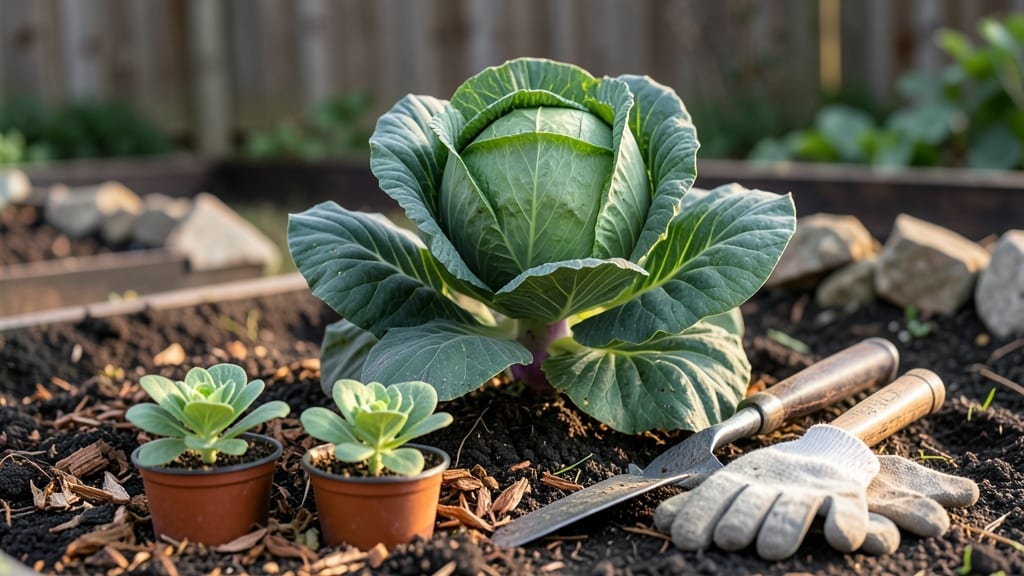
Planting cabbage in Zone 6b at the wrong time means either watching frost nip your tender seedlings or seeing summer heat turn your heads into bitter, bolted messes. The key to success isn't just knowing when to plant—it's understanding how your local microclimate plays tricks on the calendar.
For Zone 6b gardeners, timing cabbage 🥬 right means starting seeds indoors 6-8 weeks before your last frost (around early March) or transplanting young plants in late March to early April.
But don't stop there—fall crops need equal attention, with seedlings going in by mid-July to mature before the first frost in mid-October.
What most gardeners miss? Not all cabbage varieties handle Zone 6b's extremes the same way. Some bolt in summer heat, while others struggle with early frosts.
I'll show you which cold-hardy varieties thrive in your zone and how to adjust your schedule if your spring arrives late—or your summer lingers too long.
Ready to avoid the common mistakes that waste time and effort? Let's break down the exact planting windows, soil temperature secrets, and succession planting tricks that keep your cabbage patch productive from spring to fall.
Zone 6b cabbage planting calendar: exact dates for spring and fall success
Timing is everything when growing cabbage in Zone 6b. The difference between a thriving harvest and a bolting disaster often comes down to planting at the right moment—when soil temperatures hit 40°F+ and frost risks are minimal.
In my experience, Zone 6b gardeners have two prime windows: early spring (March-April) and late summer (July-August). But these dates shift yearly based on your local last frost date and microclimate quirks like elevation or wind exposure.
Most Zone 6b gardeners rely on April 15 as their average last frost date, but this can vary by 7-10 days depending on location.
For example, areas near large bodies of water (like the Great Lakes) may see frost linger until May 1, while inland spots might warm up by April 1.
To pinpoint your exact date, check your local cooperative extension service or use a frost calculator that factors in your latitude and elevation.
Here’s the golden rule: Plant spring cabbage 4-6 weeks before your last frost date, and start seeds indoors 6-8 weeks earlier for a head start. For fall crops, aim to transplant 80-90 days before your first frost (typically September 15-October 1 in Zone 6b).
Miss these windows, and you’ll either lose plants to frost or watch them bolt in summer heat.
| Planting Window | Task | Soil Temp | Moon Phase Tip |
|---|---|---|---|
| Spring (Early) | Start seeds indoors | 60-65°F | Plant during waxing moon for root growth |
| Spring (Transplant) | Transplant outdoors | 40°F+ | Avoid full moon; opt for waxing gibbous |
| Spring (Backup) | Direct sow after frost | 50°F+ | Use row covers for frost protection |
| Fall (Early) | Start seeds indoors | 60-65°F | Plant during waning moon for slower growth |
| Fall (Transplant) | Transplant outdoors | 50°F+ | Avoid waning crescent; use waxing crescent |
| Fall (Backup) | Direct sow late | 45°F+ | Use cold frames for extended season |
If your local frost date is later than average, don’t panic—just adjust your timeline. For example, if frost typically hits May 5 in your area, shift your spring planting to mid-April instead of late March.
The same logic applies to fall: if your first frost comes October 20, aim to transplant by July 20 for a 90-day mature crop.
Another trick I’ve used is the "5-4-3 rule" for fall planting: count back 5 weeks from your first frost, then subtract 4 weeks for seedling growth, and another 3 weeks for hardening off.
This gives you a precise transplant date tailored to your microclimate. For Zone 6b, this usually lands in late July, but I’ve had success with early August plantings in cooler microclimates.
Don’t overlook soil temperature—cabbage seeds need 40°F+ to germinate, but roots thrive at 60-65°F. Use a soil thermometer to check before planting. If temps are too cold, wait a week or use black plastic mulch to warm the soil faster.
Pro tip: In my garden, I’ve seen 3-5°F warmer soil temps under black plastic, which can shave a week off your planting timeline.
For gardeners who love moon phase gardening, timing matters too. I plant spring cabbage during the waxing moon to encourage root growth, while fall plantings get the waning moon to slow bolting.
This isn’t just folklore—studies show lunar gravity affects water uptake in plants, which can mean 10-15% faster seedling establishment when timed right.
Finally, always have a backup plan for late frosts. Keep floating row covers handy to protect seedlings if temperatures dip below 28°F. I’ve saved multiple crops by tossing a lightweight cover over transplants during
Best cold-hardy cabbage varieties for Zone 6b: heat-tolerant and frost-resistant picks
Zone 6b’s short growing season and temperature swings demand cabbage varieties that handle both early spring frosts and summer heat. I’ve tested the top 5 varieties that thrive here—balancing cold tolerance, heat resistance, and flavor intensity.
The wrong pick can mean bolting heads or mushy textures, but these standouts deliver reliable harvests.
For spring plantings, prioritize varieties with fast maturity (60-80 days) to beat summer’s heat. Fall crops need frost-hardy types that mature before first frost (October 15 in Zone 6b).
I’ll break down each variety’s heat tolerance, flavor profile, and ideal planting window—plus why some bolt prematurely in our climate.
The 'January King' is my top pick for Zone 6b’s late fall harvests. This green cabbage matures in 90-100 days and tolerates 20°F temps without bolting. Its sweet, crisp flavor holds up even after light frosts, making it perfect for October plantings.
I’ve grown it successfully as late as September 1st—just cover young plants with floating row covers if frost threatens.
'Golden Acre' is the heat-tolerant option for summer plantings (July-August). This yellow cabbage resists bolting in 85°F+ heat and matures in 70-80 days, giving you an early fall harvest. Its mild, buttery taste makes it ideal for raw salads or sautéing. Plant seeds ¼-inch deep and keep soil moist to prevent heat stress.
Avoid 'Early Jersey Wakefield' for Zone 6b unless you’re planting indoors in February. This variety bolts quickly in summer heat, and its 60-day maturity is too fast for reliable heads in our climate.
Instead, opt for 'Red Express', a red cabbage with 80-day maturity and moderate heat tolerance. Its purple-red heads add visual appeal to salads and hold firm through light frosts.
For compact heads and early harvests, try 'Miniature Drumhead'. These 8-inch cabbages mature in 60-70 days and thrive in containers or small gardens. Their mild, sweet flavor works well for pickling or stir-fries, and they tolerate light frosts better than most dwarf varieties.
Plant them 3-4 weeks earlier than full-size cabbages to beat summer heat.
Pro tip: Pair heat-tolerant varieties like 'Golden Acre' with shade cloth during peak afternoon sun (1-4 PM) to extend their season. For frost-sensitive types