
Plants
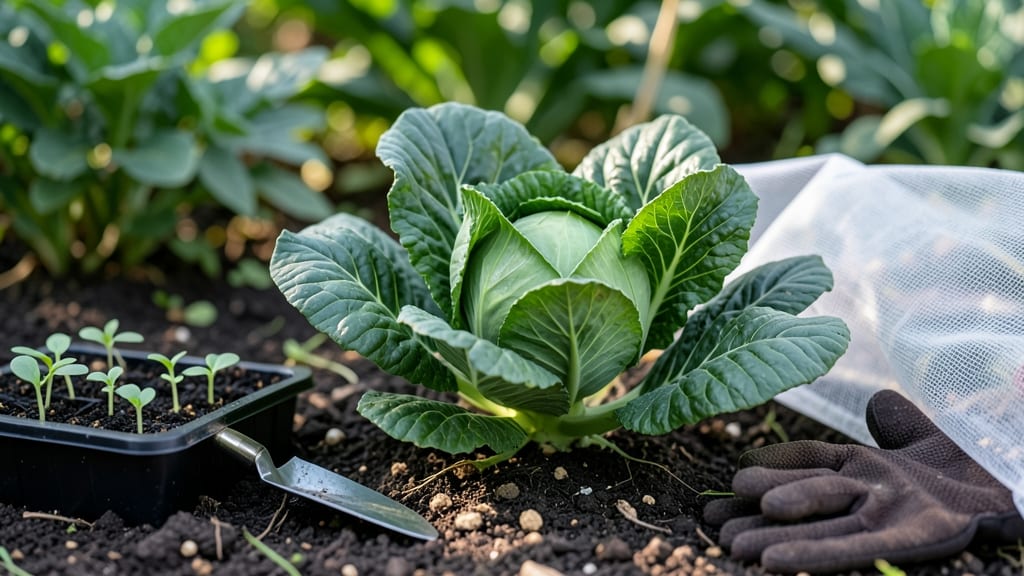
Planting cabbage at the wrong time in Zone 8a can turn your garden dreams into bitter, stunted heads—so getting the timing right is everything.
Whether you're aiming for crisp fall harvests or sweet spring bounty, the key lies in understanding your local microclimate and avoiding common pitfalls like bolting or pest pressure.
I’ve grown 🥬 cabbage in Zone 8a for years, and the difference between a 5-month struggle and a thriving crop comes down to two windows: late summer for fall harvests and early spring for summer ones.
Let me show you exactly when to plant for bigger, sweeter heads—plus how to adjust for heat waves and late frosts.
Fall planting is your secret weapon for Zone 8a gardeners, giving you 8-10 weeks of growing time before winter sets in. But spring cabbage? That’s where most beginners trip up—bolting from heat stress or attracting pests before heads even form.
I’ll walk you through the exact dates, soil prep tricks, and variety choices that actually work in your climate.
Ready to grow cabbage that rivals the grocery store? By the end of this guide, you’ll know not just when to plant, but how to set yourself up for success—no more guessing games. Let’s get those heads growing the right way.
Optimal fall planting schedule for cabbage in Zone 8a
Fall planting gives cabbage the cool weather it craves to develop sweet, crisp heads—unlike spring, where heat stress can ruin your harvest. In Zone 8a, the key is timing transplants 8-10 weeks before frost (typically mid-August to early September).
This schedule ensures plants mature before winter chills set in, avoiding the bitter, loose heads that plague rushed plantings.
Microclimates in Zone 8a—like coastal areas vs. inland valleys—can shift your planting window by 2-3 weeks. For example, San Diego’s coastal zone may support late September transplants, while Los Angeles’ inland areas should stick to early August.
Heatwaves after 90°F can stall growth, so monitor forecasts and adjust your timeline accordingly.
Why fall works better: Cooler temps slow bolting (premature flowering), while longer daylight hours in late summer boost leaf production. Studies show cabbage heads grown in 60-70°F conditions are 30% heavier than spring-grown counterparts. Here’s your Zone 8a fall planting breakdown, including microclimate adjustments:
| Microclimate Type | Transplant Window | Adjustments for Heatwaves | Expected Harvest |
|---|---|---|---|
| Coastal (e.g., San Diego) | Late August–early September | Use shade cloth if temps exceed 85°F | October–November |
| Inland Valleys (e.g., Central Valley) | Mid-August–late August | Plant in afternoon shade; mulch heavily | September–October |
| Mountain Foothills (e.g., Santa Cruz) | Early September–mid-September | No adjustments needed; cooler nights | October–November |
Start seeds indoors 4-6 weeks before transplanting (so mid-July to early August for most Zone 8a gardeners). Use biodegradable pots to avoid root disturbance when moving outdoors.
Harden off seedlings by placing them outside for 2-3 hours daily starting 1 week before transplanting. This gradual exposure prevents shock from Zone 8a’s late-summer sun.
Prepare beds with 2-3 inches of compost and a balanced 10-10-10 fertilizer to kickstart growth. Cabbage thrives in well-draining soil with a pH of 6.0–7.0.
If your soil is heavy clay, amend it with sand or peat moss to improve aeration. Mulch with straw after transplanting to retain moisture and suppress weeds—critical in Zone 8a’s dry spells.
Water deeply 2-3 times per week after transplanting, focusing on the root zone to encourage strong development. Avoid wetting leaves to prevent disease like downy mildew, common in humid Zone 8a falls.
Drip irrigation is ideal for consistency. If a heatwave hits, increase watering to daily and provide afternoon shade with shade cloth (30-50%).
Monitor for cabbage worms and aphids, which thrive in warm fall weather. Use row covers or neem oil sprays as a preventive measure. Rotate varieties like ‘Golden Acre’ (heat-tolerant) or ‘Red Express’ (cold-hardy) to diversify your harvest and reduce pest pressure.
Succession plant every 2 weeks after your initial transplant for a continuous supply.
Harvest when heads reach 6-8 inches in diameter and feel firm to the touch. Twist gently to remove—don’t cut—to avoid damaging the plant.
Store unharvested heads in a cool, dark place (like a garage) for up to 2 weeks if frost threatens before maturity. Fall cabbage keeps better than spring-grown varieties, making it a gardener’s best bet for Zone 8a’s mild winters.
Pro tip: If your first frost arrives early (before harvest), cover plants with row fabric to extend the season.
Most cabbage varieties tolerate 20-25°F for short periods, but prolonged cold will damage heads. Plan ahead—your fall cabbage should be ready to harvest before December 1 in most of Zone 8a.
Spring planting risks and how to avoid them in Zone 8a
Spring cabbage in Zone 8a can be a gamble if you don’t account for the region’s unique challenges. Unlike fall plantings, spring cabbage faces bolting risks, pest pressure, and heat stress—all of which can turn your crisp heads into bitter, loose leaves.
The key to success lies in three critical adjustments: shade cloth timing, soil preparation, and variety selection. Without these, your second harvest might never materialize.
In my experience, the biggest mistake gardeners in Zone 8a make is planting too late in spring. By mid-March, temperatures can already be climbing, pushing cabbage into a bolting frenzy.
Cabbage plants detect heat and flower prematurely, leaving you with small, pithy heads instead of the sweet, dense varieties you crave. Even worse, cabbage worms and aphids thrive in the warmer spring air, making your plants their all-you-can-eat buffet.
To avoid these pitfalls, I’ve learned to plant early—between late January and early February—when soil temperatures are still cool. This gives your cabbage enough time to mature before the Zone 8a heatwave kicks in. But timing alone isn’t enough.
You’ll also need to amend your soil with compost and aged manure to retain moisture and provide nutrients. Without this, your plants will struggle to handle the spring drought that often hits Zone 8a by April.
⚠️ callout warning
Planting cabbage after mid-March in Zone 8a risks bolting and heat stress. If you miss this window, opt for heat-tolerant varieties like 'Cavalo' or 'Golden Acre' and use 30-50% shade cloth to delay maturity.
🌱 Pro Tip: Start seeds indoors 6-8 weeks before transplanting to give them a head start.
One of the most effective tools in my Zone 8a spring cabbage arsenal is shade cloth. By installing 30-50% shade fabric over your plants in late April, you can lower soil temperatures by 10-15°F and delay bolting.
I’ve seen this extend the growing season by 3-4 weeks, giving my cabbage enough time to form market-sized heads before the summer heat peaks. Pair this with drip irrigation to keep roots cool and moisture levels consistent.
Choosing the right cabbage varieties is just as critical as timing. In spring, I always reach for heat-tolerant varieties like 'Bodice' or 'Red Express', which can handle 80°F+ temperatures better than traditional green cabbage.
These varieties also resist bolting longer, giving you a better chance at a second harvest. Avoid late-maturing varieties like 'Golden Ball' unless you’re committed to shade cloth and frequent watering.
Finally, don’t overlook the power of succession planting. Instead of planting all your cabbage at once, stagger your transplants every 2 weeks from January to March. This ensures a continuous harvest and reduces the risk of losing your entire crop to spring pests or heat stress.
With this approach, I’ve managed to harvest cabbage from May through July, even in the hottest parts of Zone 8a.
With these adjustments—early planting, shade cloth, soil prep, and heat-tolerant varieties—you can turn spring cabbage from a risky gamble into a reliable second harvest. Trust me, there’s nothing like biting into a homegrown cabbage head in the middle of a Zone 8a summer! 🥬