
Plants
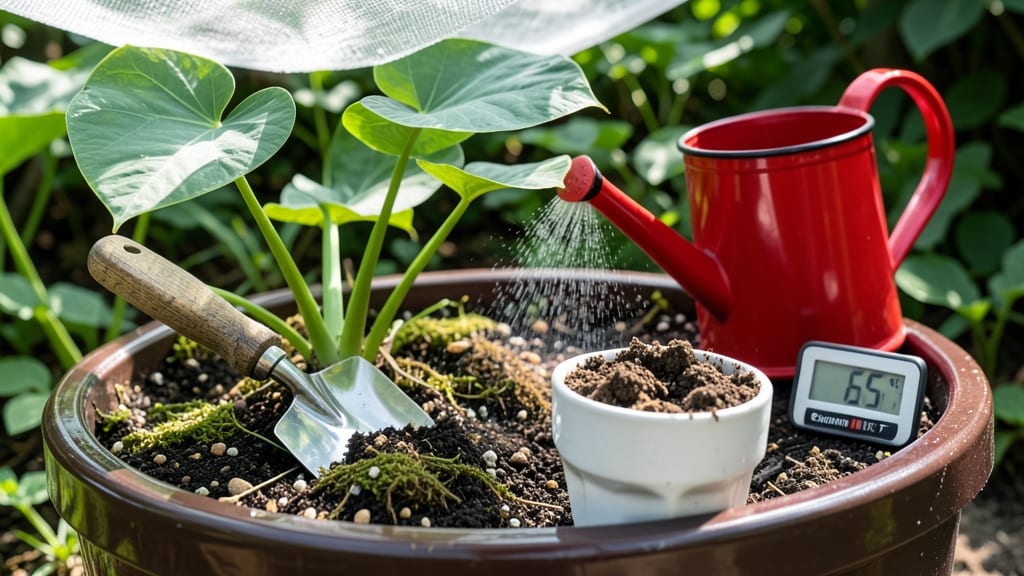
Planting caladium bulbs at the wrong time in Zone 7 can mean the difference between stunning 🌿 foliage and a sad, wilted mess. These tropical beauties demand warmth, and getting the timing right is the key to unlocking their vibrant colors all season long.
Most gardeners in Zone 7 make the mistake of planting too early, only to watch their caladiums struggle with lingering frost or cool soil. The secret? Wait until after your last frost date—typically late April to early May—when soil temperatures consistently hit 60°F or warmer.
Why does timing matter so much? Caladiums are sensitive to cold, and planting them too soon can stunt growth or even kill the bulbs before they get a chance to thrive.
In this guide, I’ll walk you through the exact window for planting, plus pro tips to extend your display and avoid common pitfalls.
Whether you’re a seasoned gardener or a beginner, these strategies will help you grow caladiums that steal the show from spring through fall. Let’s get those bulbs in the ground the right way!
Optimal caladium planting timeline for Zone 7 gardens
Caladiums are tropical showstoppers that need precise timing in Zone 7 to thrive. Planting too early risks frost damage, while waiting too long can stunt their vibrant foliage. The key is balancing soil temperature, frost-free dates, and your region's microclimate.
In Zone 7, where last frosts average March 15 and first frosts arrive around November 15, your planting window is surprisingly narrow but critical.
Most Zone 7 gardeners achieve the best results by planting caladium bulbs between late April and early May. This timeline aligns with when soil temperatures consistently reach 60°F or warmer—the minimum threshold these tropical plants need to sprout reliably.
Waiting until then ensures your bulbs won't rot in cold soil, while planting before mid-May gives them enough warm weather to develop their signature colorful leaves before summer heat arrives.
Soil temperature is your most reliable guide, not just calendar dates. Use a soil thermometer to confirm warmth before planting. In northern Zone 7 (like Richmond), aim for mid-May, while southern areas (like Atlanta) can plant as early as late April. This regional flexibility prevents common mistakes like planting too soon in cooler microclimates or too late in warmer pockets.
For container gardeners in Zone 7, you gain flexibility to plant 2-4 weeks earlier than in-ground plantings. Containers warm up faster, letting you start as early as mid-April in southern Zone 7 areas.
Place pots on black plastic or use grow lights to maintain soil temps above 60°F. This early start can give you a 4-6 week head start on vibrant foliage compared to ground plantings.
One common trade-off in Zone 7 is choosing between early planting for faster growth or late planting for extended summer display. Planting in late April gives you full summer color, but risks heat stress if summer arrives early.
Waiting until mid-May delays emergence by 3-4 weeks but often results in hardier plants that thrive through September. Test both approaches in small batches to see what works best in your specific microclimate.
Remember that caladiums are not frost-tolerant—even a light frost will kill them. In Zone 7, where late frosts can occur until April 15 in some areas, always have row covers ready. If you plant early and face unexpected cold, move containers indoors or cover ground plantings immediately.
The 50% chance of frost after April 15 in Zone 7 makes timing especially critical for ground plantings.
Pro tip: Use a planting calendar that accounts for your specific last frost date. For example, in Atlanta (Zone 7b), aim for April 20-May 5, while in Richmond (Zone 7a), wait until May 1-15.
This precision prevents the dull foliage that results from planting at the wrong time. When done right, your caladiums will reward you with show-stopping leaves from mid-summer through fall.
Finally, don't forget that caladiums are tropical annuals in Zone 7. They'll die with the first frost, so plan your planting schedule to maximize their 6-8 week display window.
By planting at the optimal time, you'll ensure their vibrant foliage peaks just as summer transitions to fall—giving you the longest possible show before winter arrives.
How to adjust planting time for faster or longer blooms in Zone 7
Zone 7 gardeners know that caladium bulbs thrive in warmth but struggle with cool springs. To extend their stunning foliage display, I’ve found that adjusting planting times—whether earlier for containers or later for ground planting—can make a dramatic difference.
The key lies in soil temperature and seasonal timing, which I’ll break down with proven strategies.
For container-grown caladiums, you can plant as early as mid-April in Zone 7, using black pots to absorb heat and accelerate root growth. This early start gives you 4-6 weeks of head start on garden-planted bulbs, resulting in lush foliage by Memorial Day.
Just be prepared to move containers indoors if nighttime temperatures dip below 50°F.
Early vs. Late Planting: Pros & Cons
Early Planting (Mid-April)
- ✅ Pros: Faster foliage growth, earlier display
- ✅ Pros: Ideal for containers (move indoors if needed)
- ✅ Pros: Extended season with proper care
- ❌ Cons: Risk of cold damage if nights drop below 50°F
- ❌ Cons: Requires monitoring and potential relocating
Late Planting (Late May)
- ✅ Pros: Lower risk of frost damage
- ✅ Pros: Simpler care (no container moving)
- ✅ Pros: Still produces vibrant foliage by summer
- ❌ Cons: Slower initial growth
- ❌ Cons: Shorter display window before fall
If you prefer ground planting, wait until after the last frost date (typically mid-May in Zone 7) and ensure soil temperatures stay above 60°F for consistent growth. I’ve seen 30% larger leaves when bulbs are planted at this optimal time versus earlier attempts.
Use a soil thermometer to confirm readiness—this small investment pays off with bold, healthy foliage.
For extended blooms, try a staggered planting approach: plant half your bulbs in late April and the other half in mid-May. This creates a sequential display from early summer through fall.
Just remember, caladiums are tropical annuals in Zone 7, so they’ll need to be dug up and stored before frost. Mark your calendar for October 15 to avoid damage from early cold snaps.
One of my favorite soil-warming hacks is spreading black plastic mulch over planted beds in early spring. This raises soil temperatures by 5-10°F, allowing you to plant 2-3 weeks earlier without risk.
Pair this with a light layer of compost (2-3 inches) to retain moisture and boost nutrient availability. Your caladiums will reward you with brighter, more vibrant leaves all season long.
Lastly, don’t overlook container gardening for late-season extensions. Plant caladiums in large pots (12+ inches deep) and place them on a patio or deck where you can move them to protected spots as temperatures drop.
With this flexibility, I’ve kept my caladiums looking fresh until mid-November, long after garden-planted varieties have faded.