
Plants
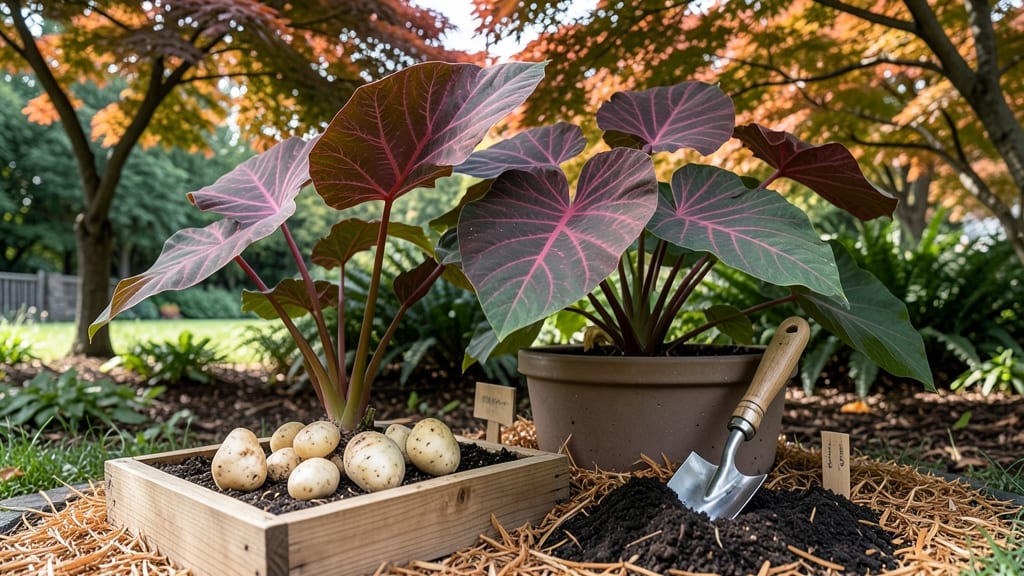
Planting caladiums in Texas at the wrong time can turn your vibrant 🌿 dream garden into a sad, wilted mess—trust me, I’ve seen it happen. These tropical beauties demand warmth, and getting the timing right means the difference between showstopping foliage and a disappointing flop.
Most Texas gardeners assume they can plant anytime after frost, but the truth is more nuanced. Since caladiums thrive in USDA zones 8a-10b, waiting until the soil hits 65°F (usually late March to mid-April in North Texas or May in South Texas) is key.
Plant too early, and frost will fry them; too late, and you’ll miss their peak growing season.
Here’s the game-changer: caladiums are treated as annuals in Texas, so timing isn’t just about survival—it’s about maximizing their stunning, heart-shaped leaves. I’ll break down the exact window for your region, plus soil prep and care tips to keep them thriving all summer long.
Ready to transform your garden into a lush, colorful oasis? Let’s dive into the heat-tolerant months that’ll make your caladiums the star of the show—no guesswork required.
Best months to plant caladiums in Texas for maximum heat tolerance
Caladiums thrive in Texas’s heat, but planting them at the wrong time can turn your vibrant foliage dreams into a sad, wilted mess. These tropical beauties need consistent warmth and moisture, but they’re also sensitive to early frost and soil temperature swings.
In Texas, the ideal window shifts depending on whether you’re in North, Central, or South Texas, where frost risks and heat intensity vary dramatically.
For North Texas (USDA Zones 7b-8a), aim for April to early May after the last frost date—typically around March 15. Central Texas (Zones 8a-8b) has a transitional climate, so late April to mid-May works best.
Meanwhile, South Texas (Zones 9a-10b) gardeners can plant as late as May to early June, thanks to milder winters and earlier heat buildup.
Soil temperature is your best guide: wait until the ground reaches at least 65°F (18°C) at a depth of 2-3 inches. A soil thermometer is your new best friend—planting too soon in cooler soil can stunt root growth and leave your caladiums vulnerable to root rot or fungal diseases. Pro tip: In Central Texas, where frost can linger into March, play it safe and wait until mid-April when nighttime temps consistently stay above 50°F (10°C).
Here’s the non-negotiable rule: Never plant caladiums before the last frost date in your area. These tropical plants can’t handle even a light freeze, and Central Texas’s unpredictable spring weather makes timing critical.
For example, a late frost in Austin (Zone 8a) in early April could wipe out an early planting, while Houston (Zone 9a) might see safe conditions by mid-March. Always check your local frost-free date from sources like the Texas A&M AgriLife Extension.
| Texas Region | USDA Zone | Best Planting Window | Soil Temp Threshold | Key Consideration |
|---|---|---|---|---|
| North Texas | 7b-8a | April–Early May | ≥65°F (18°C) | Last frost: ~March 15 |
| Central Texas | 8a-8b | Late April–Mid-May | ≥65°F (18°C) | Frost risk until April 15 |
| South Texas | 9a-10b | May–Early June | ≥68°F (20°C) | Warmer winters, earlier heat |
If you’re in South Texas, you can push the envelope slightly—planting in late May is often safe, but be warned: the intense summer heat can stress caladiums if they’re not established. Start tubers indoors under grow lights in April and transplant after Memorial Day for a head start.
For North Texas, rushing to plant in March risks frost damage, but you can get a jump by soaking tubers in warm water for 24 hours to kickstart growth before the ideal window opens.
One of the biggest mistakes I see is planting caladiums in full sun without proper shade acclimation. While they tolerate partial shade, Texas’s merciless afternoon sun can scorch their leaves if they’re not hardened off.
If your garden gets more than 6 hours of direct sun, create shade with lattice screens, umbrellas, or plant them under tall perennials like canna lilies or hostas.
This is especially critical in West Texas, where even partial shade can mean the difference between thriving and struggling.
For Central Texas gardeners, the transition between frost risk and summer heat makes timing tricky. If you’re in Austin or San Antonio, aim for mid-April but keep an eye on the 10-day forecast. A sudden cold snap can roll in, and caladiums won’t bounce back from frost.
To hedge your bets, plant a few tubers in containers that you can move indoors or under cover if temperatures dip unexpectedly. This buffer strategy gives you flexibility and peace of mind.
Remember, caladiums are tender perennials in Texas—they’ll die back in winter but can be dug up and stored for next year. If you’re treating them as annuals, planting at the right time ensures you get the full summer-to-fall show of their stunning foliage.
For longer-term growth, focus on well-draining soil, consistent moisture, and mulching to protect roots during Texas’s brutal summers.
Don’t let the fear of missing the window hold you back—caladiums are forgiving if you adjust your approach. If
How to prepare your Texas garden for caladium success before planting
Caladiums thrive in Texas’s heat, but their stunning foliage only shines when planted in the right conditions. Before dropping those tubers into the ground, I focus on three critical prep steps: soil enrichment, shade optimization, and moisture retention.
Skipping these can leave your plants struggling under the Texas sun—so let’s set them up for success.
First, amend your soil with organic matter like compost or aged manure. Caladiums crave rich, well-draining soil with a phosphorus boost (use a balanced 10-10-10 fertilizer). Test your soil’s pH—aim for 6.0 to 6.5.
If your yard is heavy clay, mix in sand or perlite to prevent root rot, a common issue in Texas’s humid summers.
- Test and amend soil: Mix in 2-3 inches of compost + 1 tbsp bone meal per planting hole for phosphorus.
- Create shade: Use lattice screens or plant tall ferns (e.g., Osmunda cinnamomea) to filter direct afternoon sun.
- Mulch heavily: Apply 3-4 inches of straw or pine bark to lock in moisture and regulate soil temp.
- Choose companions: Pair with impatiens or coleus to extend shade and deter pests naturally.
- Pre-water beds: Soak soil 1-2 days before planting to reduce transplant shock in Texas’s dry spring air.
Texas’s intense afternoon sun can scorch caladiums, so I strategically shade full-sun areas. If your garden lacks natural shade, install removable shade cloth (30-50% block) or plant tall, fast-growing companions like sunflowers or cornstalks nearby.
For containers, place them under patio umbrellas or near east-facing walls to catch morning light without afternoon heat.
Mulching is non-negotiable in Texas’s sweltering summers. A thick layer of organic mulch (like pine straw or shredded leaves) keeps roots cool and retains moisture for weeks. Replenish mulch every 2-3 months, especially after heavy rains, which can wash it away. Pro tip: Add a slow-release fertilizer (like osmocote) to the mulch layer for steady nutrient delivery without overfeeding.
Extend your caladiums’ season by planting companion plants that thrive in similar conditions. Impatiens and coleus provide extra shade, while ferns (like Boston fern) keep humidity high. Avoid competing plants like succulents, which dry out the soil.
For container gardens, group caladiums with begonias or peperomias to create a micro-climate that mimics their native tropical habitat.
Finally, pre-water your planting beds 1-2 days before setting tubers. This step is crucial in Texas’s dry spring air, which can cause transplant shock. After planting, water deeply to settle soil around roots, then maintain consistent moisture (never let soil dry out completely).
With these prep steps, your caladiums will burst into vibrant foliage and outlast the brutal Texas heat.