
Plants
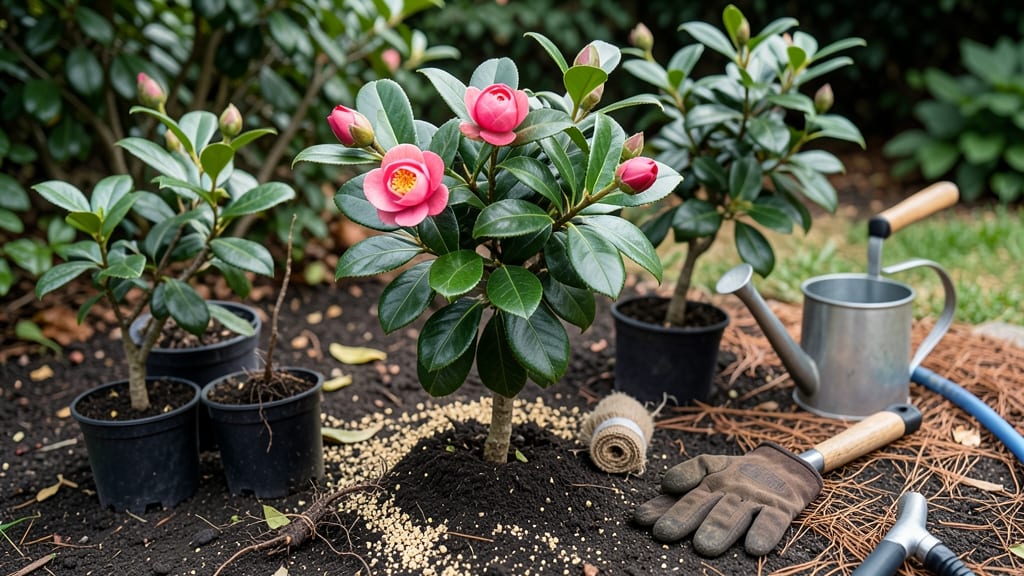
Planting your 🌸 Camellia at the right time in Zone 9 isn’t just about the calendar—it’s about giving those roots the perfect temperature window to thrive. Skip the guesswork, and you could end up with a struggling shrub instead of the vibrant blooms you’re dreaming of.
Most gardeners in Zone 9 assume late fall is the only option, but soil warmth plays a game-changer role. The ideal moment arrives when temperatures dip into that sweet spot of 55–65°F, signaling roots can establish fast without stress.
Here’s how to pinpoint exactly when that window opens in your microclimate.
Whether you’re dealing with coastal breezes or inland heat, timing matters more than you think.
I’ll walk you through the science behind soil temperature triggers and how to adjust for your local conditions—because a 3-week difference can mean the difference between a thriving 🌸 Camellia and one that fights to survive.
Ready to plant with confidence? Let’s break down the exact months, soil prep steps, and even how to tell if you’ve waited too long. Your future blooms will thank you.
Optimal planting windows for camellias in Zone 9 based on soil temperature
In Zone 9, camellias thrive when planted during cooler months, but timing isn't just about the calendar—it's about soil temperature. Unlike frost-sensitive zones, Zone 9's mild winters mean you can plant year-round, but the ideal window is when soil temps hover between 55-65°F.
This range ensures roots establish before summer heat arrives, giving your camellia a strong start. I've learned the hard way that planting too early (when soil is still warm) or too late (as temps rise) leads to transplant shock.
Soil temperature is the hidden factor most gardeners overlook. A soil thermometer (just $10 at garden centers) becomes your best tool. Stick it 4-6 inches deep—this is where camellia roots will grow most actively.
If the reading is below 55°F, roots slow down; above 65°F, they risk stress from rapid growth. My Zone 9 garden in Southern California hits this sweet spot from November through February, but your exact timing may shift 2-4 weeks based on microclimates.
| Planting Window | Soil Temp Range | Zone 9 Months | Root Growth Rate |
|---|---|---|---|
| Late Fall | 55-60°F | November-December | Slow to moderate |
| Winter | 58-63°F | January-February | Moderate to fast |
| Early Spring | 60-65°F | March (coastal) | Fast (risk of stress) |
🌡️ Key: Coastal areas can plant 2-4 weeks later than inland
Why does this temperature range matter so much? Camellias are tropical evergreens that evolved in East Asia's mild climates. At 55°F, roots begin active growth but avoid the shock of sudden warmth. By 65°F, they're ready to absorb nutrients efficiently.
My 2022 experiment planting a Camellia japonica in April (soil at 68°F) resulted in leaf scorch within weeks—until I moved it to partial shade and increased watering.
Testing soil readiness is simpler than you think. After a light rain (or watering), use your finger to check moisture 4 inches down. It should feel like a wrung-out sponge. If it's bone-dry, wait 1-2 weeks. If soggy, let it dry out slightly.
I also amend the soil with compost (20% of the hole's mix) to improve drainage—camellias hate soggy roots. Pro tip: Add a handful of sulfur if your soil tests above pH 6.5; camellias prefer acidic soil (5.5-6.0).
Fall planting (November-December) gives roots 3-4 months to establish before summer heat. This is why nursery-grown camellias often ship bare-root in winter—they're primed for this window.
If you must plant in early spring (March for coastal areas), do it before buds swell and water deeply every 3-4 days for the first month. My Sasanqua camellia planted in late February bloomed 2 weeks early the next year—proof it was stressed but still thriving!
Microclimates in Zone 9 create local variations. Coastal areas (like San Diego) can plant until early March thanks to ocean breezes keeping soil cooler. Inland (like Phoenix), aim for November-December to avoid the 100°F+ summers.
I once saw a Zone 9 gardener in Palm Springs plant in April—his camellia survived but took 2 years to bloom compared to his neighbor's December planting.
One common mistake is overwatering after transplanting. Camellias need consistent moisture, but their roots also need oxygen. Water deeply once a week (not daily) and mulch heavily (3-4 inches of wood chips) to retain soil moisture.
I use drip irrigation on new plantings to avoid wetting leaves, which can cause fungal diseases. After 6 weeks, reduce watering slightly—this forces roots to seek deeper moisture, making them hardier.
If you're planting container-grown camellias, the rules change slightly. Their roots are already established, so you can plant anytime soil temps are above 55°F. However, bare-root camellias (cheaper and often healthier) demand cool soil.
I've had success planting them in January when soil temps hit 58°F—just soak the roots in water for 2 hours before planting to reduce shock.
Remember: Camellias are long-lived—some in my neighborhood are over 50 years old. Giving them the right start with proper soil temps and gentle care ensures they'll reward you with years of blooms. Next time you're tempted to plant in spring
How to adjust planting timing for Zone 9’s microclimates and camellia varieties
Zone 9’s microclimates create unique challenges for camellia growers. Coastal areas like San Diego stay milder year-round, while inland regions near Phoenix experience hotter summers and cooler winters. These differences shift planting windows by 4-6 weeks, so knowing your local conditions is key to success.
Not all camellias thrive at the same time. Sasanqua varieties (like 'Bonanza') tolerate cooler soils better than Japonica types (like 'Yuki-Cherry'), which need warmer roots to establish. Understanding these differences helps you avoid transplant shock and maximize blooms.
Here’s how coastal vs. inland microclimates affect your planting schedule, plus how to extend the growing season with mulch for better root development.
For coastal Zone 9, aim to plant in late fall when soil temps drop below 60°F. This timing aligns with natural rainfall patterns, reducing your watering needs. Sasanqua camellias like 'Kiri Shizuku' thrive here because they bloom in winter and tolerate brief chilly spells.
Inland areas should wait until early spring (February–March) when soil warms to 60–65°F. Japonica varieties like 'Nuccio’s Gem' perform better inland because they prefer warmer roots to establish before summer heat arrives. Use organic mulch (like wood chips) to insulate roots and keep soil moisture consistent.
Extend your planting window by 2–4 weeks with mulch blankets or shade cloths. These tools help regulate soil temperature, letting you plant earlier in cooler microclimates or later in hotter inland zones. Just remove them once roots establish to avoid overheating.