
Plants
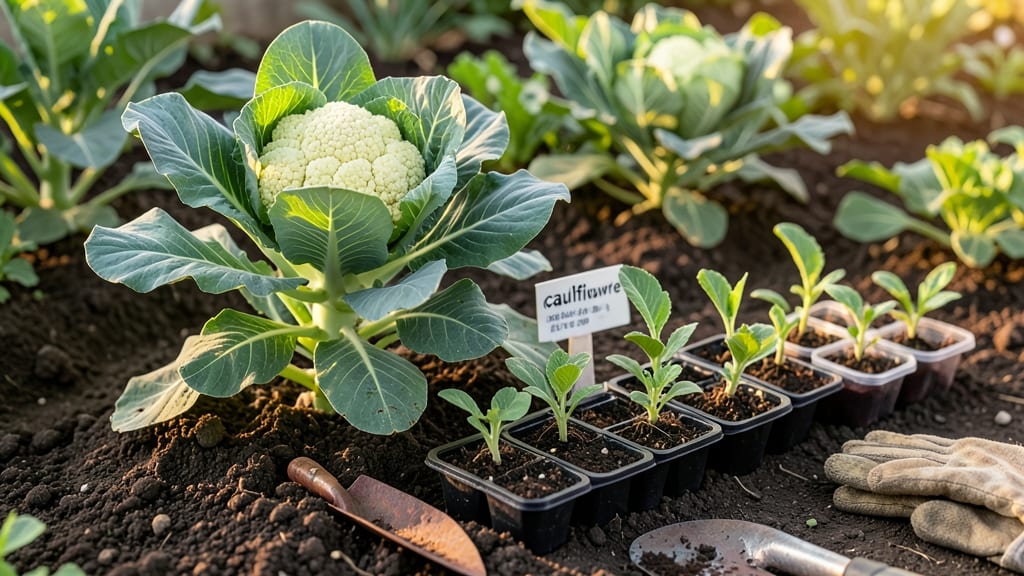
Planting your 🥬 cauliflower at the wrong time in Zone 7 can mean the difference between a lush harvest and bitter disappointment.
The key isn't just memorizing dates—it's understanding when your soil warms enough for fast germination, usually between 45°F and 85°F, which in Zone 7 means aiming for early spring or late summer.
Most gardeners in Zone 7 get it wrong by planting too early, only to watch their seedlings rot in cold soil or bolt in heat.
I've learned the hard way that timing your 🥬 cauliflower right—whether you're direct sowing or transplanting—is all about matching your local frost dates with soil conditions.
In this guide, I'll break down exactly when to plant for both spring and fall harvests, including how to use a simple soil thermometer to time your planting perfectly.
You'll discover the best varieties for Zone 7's climate and whether succession planting can give you a second harvest before winter sets in.
Ready to grow 🥬 cauliflower that thrives from seed to table? Let's get your planting schedule locked in for a bumper crop this season. The secret to success starts with knowing exactly when to put those seeds in the ground.
Zone 7 cauliflower planting calendar: best months and soil temp triggers
Timing your cauliflower planting in Zone 7 requires precision. Unlike heat-loving crops, cauliflower prefers cool soil (45–85°F) to germinate reliably. Plant too early, and seedlings risk frost damage.
Wait too long, and summer heat triggers bolting. My soil thermometer became my best friend—it helped me pinpoint the perfect windows for both spring and fall harvests.
In Zone 7, you’ve got two prime planting windows: early spring (March–April) and late summer (August–early September). Each window demands different prep work. For spring, focus on soil warming and frost protection.
For fall, prioritize heat avoidance and early maturity varieties. Let’s break down the exact triggers and tools you’ll need to nail these timings.
For spring planting, aim to sow seeds when your soil temperature hits 45°F—this is the magic threshold for germination. In most of Zone 7, that lands in late March.
Use a soil thermometer to check daily; temperatures below 45°F slow germination to a crawl. If you’re transplanting seedlings, wait until soil warms to 50°F—cooler temps stress young plants.
Fall planting is trickier because Zone 7’s summers linger. Start seeds indoors 10–12 weeks before your first frost (typically early September). Transplant outdoors when soil cools to 60–85°F—this usually means late August.
My trick? Plant quick-maturing varieties like 'Snowball Y' to beat the heat. These mature in 60–80 days, giving you heads before summer’s peak.
Microclimates in Zone 7 can shift planting windows by weeks. If you’re in a cooler microclimate (like higher elevations), push spring planting to mid-April. In warmer microclimates (like urban heat islands), start fall seeds by mid-August to avoid bolting.
Always scout your garden’s sun exposure—south-facing beds warm faster than north-facing ones.
Don’t rely on calendar dates alone—your soil thermometer is your secret weapon. I test soil temps at 8 AM (when it’s coolest) and 4 PM (when it’s warmest). For spring, shoot for 50°F+ at 8 AM to ensure consistent germination.
For fall, keep soil below 85°F to prevent bolting. Pro tip: Bury the thermometer 2 inches deep—that’s where seeds germinate.
Succession planting works for cauliflower in Zone 7. After your first spring harvest, sow a second batch 4–6 weeks later for a late-summer crop. For fall, stagger plantings every 2 weeks in August to extend your harvest into October.
Just remember: soil temperature dictates success. If summer heat arrives early, switch to shade cloth to keep soil cool.
One common mistake? Ignoring day-length sensitivity. Cauliflower bolts when days get too long. In Zone 7, this happens in late June. To avoid it, plant only short-day varieties (like 'Purple of Sicily') in summer or use shade cloth to trick plants into thinking days are shorter.
My fall plants thrived under 30% shade cloth during July’s heatwave.
Finally, prep your soil like a pro. Cauliflower loves rich, well-draining soil with a pH of 6.5–7.0. Work in 2–3 inches of compost and a handful of pelletized lime 2 weeks before planting.
In Zone 7’s clay-heavy soils, add sand or perlite** to improve drainage. Well-fed soil means faster germination and bigger heads—always worth the extra effort!
How to extend your cauliflower season in Zone 7: succession planting and cold frames
Zone 7 gardeners know that cauliflower loves cool weather but wilts in summer heat. The secret to a longer harvest isn't just planting once—it's using succession planting and cold frames to stretch your growing window.
I’ve found that by planting in two waves—spring and fall—I can enjoy fresh cauliflower from May through November.
Succession planting means sowing new seeds every 2-3 weeks after your first batch. This keeps your garden producing instead of hitting a harvest slump. For Zone 7, start your first round in late February under protection, then follow up in March and April for a continuous supply.
The key is spacing these plantings so that heads mature at different times, avoiding a glut or shortage.
Here’s how to time it perfectly for maximum yield:
- 1. Start cold frames in late February—plant purple or white varieties (like 'Graffiti' or 'Snowball Y Improved') under clear plastic domes to warm soil faster. This gives you a 4-6 week head start before direct sowing.
- 2. Direct sow in March and April—use 2-week intervals between batches. For example, plant one batch on March 15, another on March 30, and a final one on April 15 to ensure staggered maturity.
- 3. Fall succession starts in August—sow heat-tolerant varieties like 'Cheddar' or 'Romanesco' under shade cloth to protect seedlings from 90°F+ soil. Aim for a 10-12 week harvest window before first frost (October 15 in Zone 7).
- 4. Use cold frames for late fall—extend harvests into November by covering mature plants with low tunnels. This adds 2-3 extra weeks of growing time before hard frost hits.
- 5. Monitor soil temps—cauliflower seeds need 45–85°F soil to germinate. Use a soil thermometer to avoid planting when temps drop below 50°F or rise above 80°F, which causes poor germination.
Cold frames are my secret weapon for early and late harvests. By placing a clear plastic dome over seedlings, I can raise soil temps by 10–15°F, accelerating growth.
For example, I start my first spring batch in late February under a cold frame, then remove it once seedlings are established. This gives me a 3-week earlier harvest than gardeners who wait for March.
Don’t overlook fall planting—it’s just as critical. In Zone 7, late summer heat can stress cauliflower, but varieties like 'Purple of Sicily' tolerate 85°F soil better than others. I plant these in early August under shade cloth to protect young seedlings, then remove the cloth once they’re hardened off.
This ensures a second harvest in October before frost.
Protecting your plants from late frosts is equally important. If a 28°F frost is forecast, cover mature heads with row fabric or a lightweight blanket. I’ve saved entire crops this way, especially in Zone 7’s unpredictable fall weather.
With these strategies, you can enjoy cauliflower year-round—just rotate your plantings and use season-appropriate tools.