
Plants
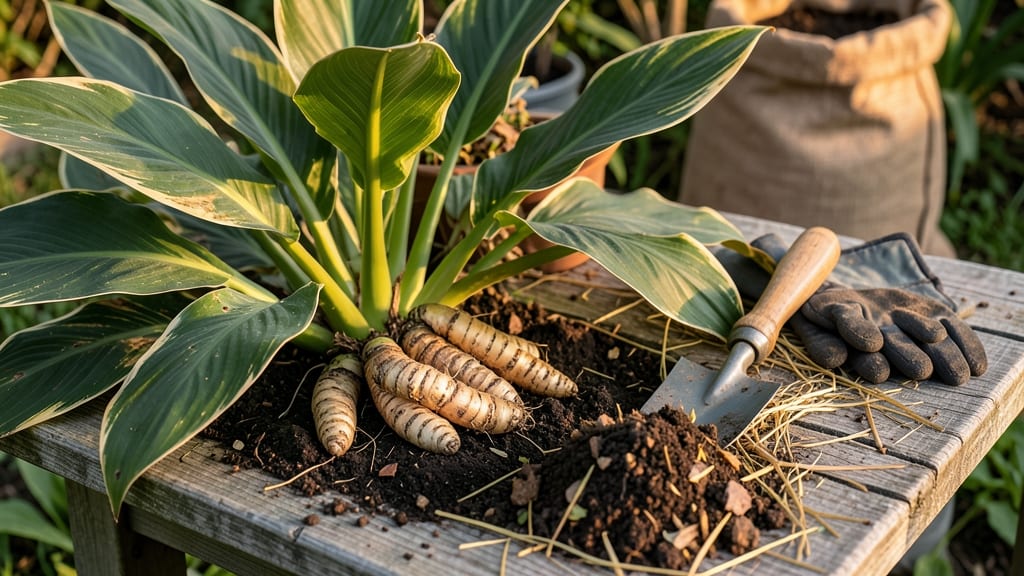
Timing when to plant canna bulbs in Michigan just right is the difference between a showstopping summer garden and a sad, stunted display. Plant too early, and frost will nip those tender shoots before they even get started.
Wait too long, and you might miss the ideal window to establish strong roots before summer heat arrives.
Most Michigan gardeners treat cannas as annuals, digging up the rhizomes before winter's first frost. But if you want fast, vibrant growth, understanding your zone's last frost date and soil temperature is key.
We're talking mid-to-late spring planting once temperatures consistently stay above 60°F—typically May in most of the state.
Here's what you need to know: Northern Michigan's cooler climate means you might need to wait until early June, while southern areas can start planting in late April.
The secret to fast sprouting? Well-draining soil that warms up quickly and a sunny spot that gets at least six hours of direct sunlight daily.
Whether you're a first-time gardener or a seasoned pro, I'll walk you through exactly when to plant, how deep to bury those rhizomes, and what to watch for to ensure your cannas thrive all summer long. Let's get those stunning blooms growing!
Michigan’s ideal soil temperature range for planting canna bulbs
Canna lilies (Canna × generalis) thrive when planted in warm soil, and Michigan’s climate demands precise timing to avoid frost damage or stunted growth.
The ideal soil temperature for planting these tropical beauties is between 60-65°F, a range that signals the ground is warm enough for rhizomes to sprout consistently. Without this warmth, your cannas may refuse to grow or rot underground—so checking soil temps is non-negotiable!
Michigan’s last spring frost typically arrives between mid-April and early May, but this varies dramatically across the state. Southern Michigan (like Detroit) often sees frost-free conditions by April 15, while northern regions (near Traverse City) may wait until May 15.
Planting too early—before the soil warms—is a common mistake that leads to poor germination and weak stems. Use a soil thermometer to confirm readiness before committing to your garden beds.
Here’s the science: Canna rhizomes need consistent warmth to break dormancy. Below 60°F, enzymes that trigger growth slow down, and the rhizomes may rot instead of sprouting.
In Michigan’s USDA Zones 5-6, waiting for soil temps to stabilize in this range ensures your cannas establish strong roots before summer’s heat arrives. Patience here pays off with vibrant blooms all season long.
🌱
| Factor | Michigan Specifics | Actionable Tip |
|---|---|---|
| Soil Temperature Trigger | 60-65°F (critical for sprouting) | Use a soil thermometer; wait for consistency. |
| Last Spring Frost | April 15 (south) to May 15 (north) | Plant 2-3 weeks after last frost date. |
| First Fall Frost | September 15 (south) to October 15 (north) | Dig up rhizomes before frost; store indoors. |
| Planting Window | Mid-May to early June (statewide) | Aim for May 15-30 for best results. |
| Soil Warmth Confirmation | 3-4 inches deep (rhizome depth) | Test depth where bulbs will be planted. |
Michigan’s northern vs. southern divide creates two distinct planting windows. In southern Michigan, where soil warms faster, you can start as early as late April if temps hit 60°F. Meanwhile, gardeners in northern Michigan should hold off until mid-to-late May to avoid frost risk.
Pro tip: If your soil is still chilly, consider starting cannas in biodegradable pots indoors under grow lights, then transplant outdoors once soil warms.
Another critical factor is day length. Cannas need 6+ hours of sunlight daily, but they also benefit from Michigan’s longer daylight hours in summer. Planting in May aligns with increasing daylight, giving your cannas the energy boost they need to grow tall and bloom profusely.
If you plant in late June, expect smaller plants with fewer flowers due to reduced growing time before frost.
For those in Zone 5 (northern Michigan), the window is tighter. Aim to plant by June 1 to ensure cannas reach 3 feet tall before frost.
In Zone 6 (southern Michigan), you have until mid-June, but don’t delay—late plantings may not mature enough to survive Michigan’s first fall frost, which can arrive as early as September 15 in some areas.
🌿
If you’re unsure about your local frost dates, check the Michigan State University Extension’s frost calendar or use a frost date map like the one from the National Gardening Association.
These resources provide hyper-local data to help you pinpoint the 10-day window between your last frost and when soil hits 60°F. This is your sweet spot for planting—any earlier risks frost damage, and any later may result in leggy, underdeveloped plants.
Remember, cannas are tender perennials in Michigan, meaning they won’t survive winter outdoors. Treat them as annuals or dig up rhizomes before frost to replant next spring.
The key to success lies in timing your planting so they have enough time to establish roots, grow, and bloom before Michigan’s first hard frost signals the end of the growing season.
☀️
Step-by-step guide: when and how to plant canna bulbs in Michigan’s zones
Planting canna bulbs in Michigan requires precision—your timing must align with soil temperature and frost-free dates to avoid stunted growth. Since Michigan spans USDA Zones 5-6, northern areas like Traverse City need a later start than southern regions like Detroit.
The key is waiting until the soil temperature consistently reaches 60-65°F, which typically happens in late May for northern Michigan and mid-May for southern areas.
Canna lilies thrive in full sun and well-draining soil, so choose a spot that gets at least 6-8 hours of sunlight daily. If your garden soil is heavy clay, amend it with compost or sand to improve drainage.
This prep work is crucial—cannas hate soggy roots, and Michigan’s humid summers can turn poor drainage into a recipe for rot.
- Step 1: Test Soil Temperature
Use a soil thermometer to confirm temperatures are 60°F+ at a depth of 4 inches. Northern Michigan may need to wait until early June.
- Step 2: Prep the Planting Site
Loosen soil to a depth of 12 inches and mix in 2-3 inches of compost. Ensure the area gets full sun exposure.
- Step 3: Plant Rhizomes Correctly
Place each canna rhizome 2-4 inches deep, with the eyes facing upward. Space them 12-18 inches apart for optimal airflow.
- Step 4: Water Thoroughly After Planting
Give the soil a deep soak to encourage root establishment. Avoid overhead watering to prevent fungal diseases.
- Step 5: Mulch for Retention
Apply 2-3 inches of mulch (straw or shredded leaves) to retain moisture and regulate soil temperature.
- Step 6: Monitor for Sprouts
Sprouts should appear in 2-4 weeks. If nighttime temps dip below 50°F, cover young plants with frost cloth.
Once planted, cannas are relatively low-maintenance, but they do appreciate regular watering—especially during Michigan’s dry spells. Aim for 1 inch of water per week, adjusting for rainfall. Fertilize lightly with a balanced 10-10-10 formula every 4-6 weeks to encourage lush foliage and vibrant blooms.
If you’re in Zone 5, consider starting cannas indoors in late April to give them a head start. Use small pots with well-draining soil and place them under grow lights until the last frost date. Transplant outdoors once the soil warms and all danger of frost has passed.
Remember, cannas are not winter-hardy in Michigan, so plan to dig up rhizomes before the first frost (typically mid-October). Store them in a cool, dry place until next spring.
With the right timing and care, your cannas will reward you with bold, tropical-looking blooms that brighten up Michigan’s summer gardens. 🌸