
Companion Plants
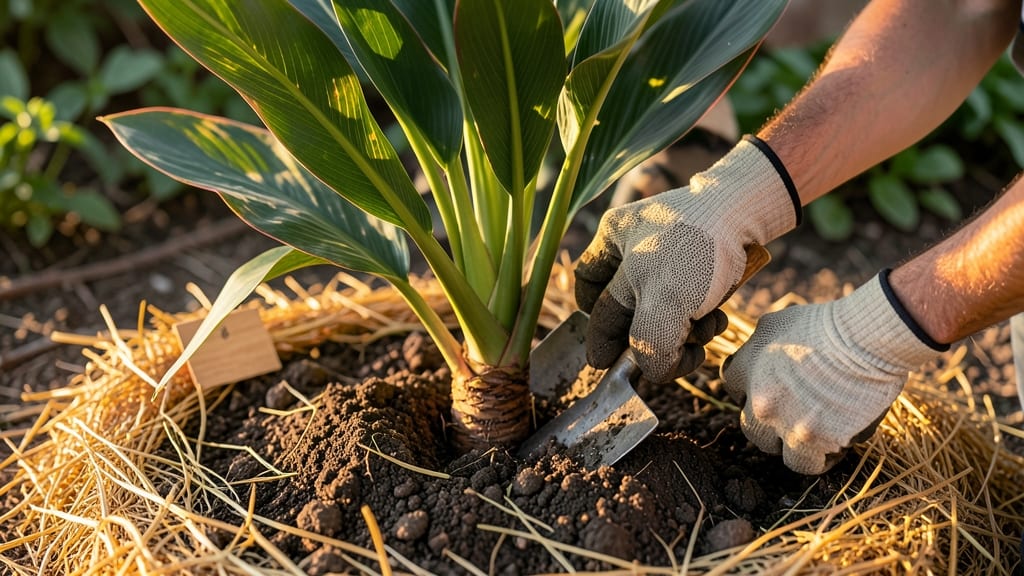
Planting your Canna Lily 🌺 bulbs at the wrong time in Wisconsin could mean the difference between a showstopping summer display and a sad, frost-nipped failure. Since these tropical-looking beauties demand warmth, timing your mid-to-late spring planting to match your county’s last frost date is the key to success.
Most Wisconsin gardeners in USDA Zones 5a-6b can start planting once soil temperatures hit a steady 60°F, typically between mid-May and early June.
But here’s the catch: in cooler northern regions like Duluth, you might need to wait until early June, while southern areas like Milwaukee can plant as early as late April if the ground isn’t frozen.
Why does this matter? Cannas thrive in heat and won’t tolerate cold soil—planting too soon risks stunted growth or even death. But get the timing right, and you’ll enjoy vibrant blooms from July until frost, turning your garden into a tropical paradise.
In this guide, I’ll walk you through exactly when to plant in your specific Wisconsin county, plus soil prep tips and tricks to extend your canna season—even if you’re in Zone 4. Let’s make sure your Canna Lily 🌺 gets the perfect start!
Wisconsin canna planting dates by USDA hardiness Zones (3-6)
Wisconsin’s diverse climate zones (USDA 3-6) create a 2-4 week difference in ideal canna planting times. In Zone 6 (southern Wisconsin), you can plant as early as late April, while Zone 4 gardeners in Duluth should wait until mid-May.
The key? Soil temperature must reach 60°F+—cold soil stunts growth. Use a soil thermometer to confirm readiness before planting.
Cannas are tropical plants that hate frost, so timing matters. A late spring frost in Zone 5 (Madison) can occur as late as May 15, while Zone 4 areas like Green Bay face frost risks until June 1.
Planting too early means frost damage to emerging shoots; too late, and you’ll miss summer blooms. Aim for 2-4 weeks after your last frost date for optimal results.
Southern Wisconsin (Zones 5-6) offers the most flexibility. Counties like Milwaukee (Zone 5b) and Racine (Zone 6a) can start planting late April to early May, while Madison (Zone 5a) should wait until mid-May. In these areas, cannas can reach full height (5-7 ft) by July 4th, giving you a 3-month bloom window.
| USDA Zone | Wisconsin Counties | Last Frost Date | Ideal Planting Window | Soil Temp Threshold | First Frost Risk |
|---|---|---|---|---|---|
| Zone 6a | Walworth, Kenosha, Racine | April 15 - April 30 | Late April - Early May | 60°F+ (April 20) | October 15 - October 30 |
| Zone 5b | Milwaukee, Ozaukee, Waukesha | April 25 - May 10 | Early to Mid-May | 60°F+ (May 5) | October 10 - October 25 |
| Zone 5a | Dane, Rock, Jefferson | May 1 - May 15 | Mid-May | 60°F+ (May 10) | October 5 - October 20 |
| Zone 4b | Outagamie, Brown, Door | May 10 - May 25 | Late May | 60°F+ (May 15) | September 25 - October 10 |
| Zone 4a | St. Croix, Polk, Burnett | May 15 - June 1 | Early June | 60°F+ (May 20) | September 20 - October 5 |
Northern Wisconsin (Zones 4a-4b) has the shortest growing season, so container gardening is a great option. In Duluth (Zone 4a), plant cannas in black pots with heat mats to warm soil faster.
Even with early planting, first frost arrives by October 5, so focus on late-summer blooms and overwintering rhizomes indoors.
For Madison gardeners (Zone 5a), the best planting window is May 10-20, when soil temps consistently stay above 60°F. Use mulch to retain heat and water deeply 2-3 times per week.
By July 4th, your cannas will be 3-4 feet tall and ready to attract hummingbirds with their vibrant blooms.
In Milwaukee (Zone 5b), you can push the envelope by planting early May if you use row covers for frost protection. Remove covers when daytime temps reach 70°F to prevent heat stress.
Southern Wisconsin’s longer frost-free season (160+ days) gives cannas time to reach mature height and produce rhizomes for next year.
If you’re in Zone 4 and miss the early June planting window, don’t despair! Cannas thrive in containers and can be planted as
5 Signs your Wisconsin soil is ready for canna bulbs (and how to prep it)
Before you rush to plant those Canna Lily 🌺 bulbs, your Wisconsin soil needs to pass five key tests. Cannas are tropical divas—they demand warmth, moisture, and fertile soil to thrive. If you plant too soon in chilly spring soil, your rhizomes will rot or refuse to sprout.
Let’s check your soil’s readiness with these simple signs and prep tips tailored for USDA Zones 4-6.
First, grab a soil thermometer—this is your #1 tool for success. Cannas won’t sprout until the ground reaches a steady 60°F. In northern Wisconsin, this often means waiting until early June, while southern areas can plant as early as late April.
Pro tip: Check temperatures in the morning for the most accurate reading.
Next, test your soil’s moisture by squeezing a handful. It should feel like a damp sponge, not soggy or dry. Cannas hate waterlogged roots but also need consistent moisture.
If your soil drains too quickly, amend it with compost or peat moss to retain humidity. In Wisconsin’s clay-heavy soils, this step is especially critical to prevent root rot.
- Soil temp: 60°F+ (use a thermometer to confirm)
- Moisture: Damp like a wrung sponge (not soggy)
- Organic matter: 2-3 inches of compost mixed into topsoil
- Drainage: Water drains in 30-60 mins (test with a hole)
- pH level: 6.0-7.0 (test with a kit or vinegar/baking soda)
For cooler Wisconsin zones, I recommend a DIY soil warming trick: Lay down black plastic mulch or even dark cardboard 1-2 weeks before your target planting date. This simple hack can raise soil temperatures by 5-10°F, giving your cannas a head start.
Just remove it before planting to avoid overheating. Pair this with a thick layer of compost (2-3 inches) to boost fertility and moisture retention.
Don’t forget to check your soil’s drainage. Dig a 6-inch hole, fill it with water, and time how long it takes to drain. If water pools after 60 minutes, amend with sand or perlite.
Wisconsin’s heavy clay soils often need this adjustment. Well-draining soil prevents the #1 killer of cannas: root rot. A quick fix is to plant in raised beds if your native soil is particularly dense.
Finally, test your soil’s pH level—cannas prefer slightly acidic to neutral soil (6.0-7.0). Grab a cheap test kit from your local garden center or use the vinegar/baking soda method. If your soil is too alkaline, mix in sulfur or peat moss to adjust.
Balanced pH ensures your plants can absorb all the nutrients they need for those showstopping blooms 🌸.