
Plants
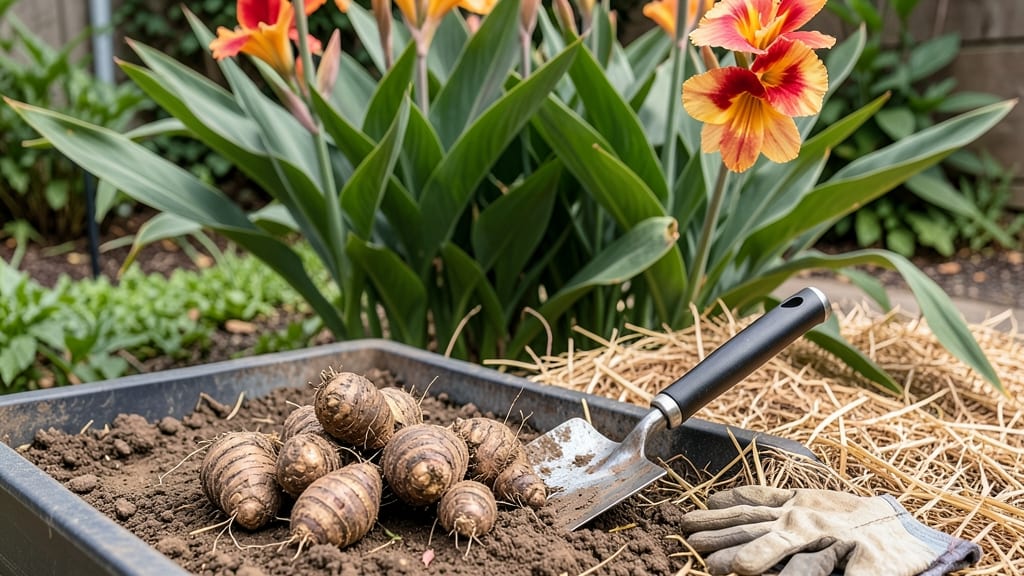
Timing when to plant canna bulbs in Illinois correctly can make or break your summer blooms—get it wrong, and you might end up with stunted growth or worse, lost tubers.
Since these tropical beauties crave warmth, planting too early in chilly 5b-6b soils risks frost damage, while waiting too long cuts your bloom season short.
Most Illinois gardeners swear by planting after the last frost, typically mid-to-late May, when soil temperatures hit a steady 60°F+. But here’s the catch: Chicago’s frost dates can lag behind southern Illinois by weeks, so knowing your microclimate is key to avoiding common mistakes.
In this guide, I’ll break down the exact windows for your zone, plus pro tips to extend those vibrant blooms from late summer through fall. Whether you’re a first-timer or a seasoned gardener, these strategies will help you grow healthier, taller cannas that steal the show.
Ready to transform your garden? Let’s dive into the perfect planting schedule—and how to protect your 🌺 from late surprises—so you can enjoy months of bold, tropical color without the guesswork.
Best planting timeline for canna bulbs in Illinois heat zones
Getting your canna bulbs in the ground at the right time is everything when you're dealing with Illinois' unpredictable spring weather. These tropical beauties need warm soil and consistent heat to thrive, so planting too early can leave them vulnerable to late frosts and stunted growth.
The key is waiting until after the last average frost date and when soil temperatures hit 60°F+—a threshold that varies dramatically across Illinois' heat zones 5-8.
Illinois spans USDA zones 5b-6b, meaning your planting window could be as early as mid-April in southern Illinois or as late as early June in northern Chicago suburbs. Microclimates—like urban heat islands in Chicago or river valleys in St. Louis—can shift these dates by 1-2 weeks.
Let's break down the best planting windows by region so you can time it perfectly for bold, tropical blooms all summer long.
🌱
For northern Illinois gardeners in zones 5b (like Chicago), the last frost date typically falls around May 10-15, but don't rush to plant. Wait until soil temperatures consistently stay above 60°F, which usually happens by late May.
If you're in urban Chicago, pavement and buildings can create microclimates 5-10°F warmer than rural areas, so you might plant 1-2 weeks earlier.
In central Illinois (zones 6a, cities like Springfield and Peoria), you'll have a 2-week earlier window than northern areas. The Mississippi River valley and Illinois River basin often warm up faster due to water's heat-retaining properties.
Test your soil with a thermometer—if it's 60°F+ by early May, you're good to go.
Southern Illinois (zones 6b-7) offers the earliest and longest growing season for cannas. In St. Louis, you can plant as early as mid-April in protected microclimates, while Carbondale and Cairo can start even earlier. The Mississippi River floodplain creates ideal conditions, with soil warming quickly in full sun locations.
One common mistake is planting canna bulbs too early in hopes of a longer bloom season. But cold soil (below 50°F) causes rot and poor root development. If you're eager to start, consider container gardening with black pots (they absorb heat) or use <
Signs your Illinois soil is ready for canna bulbs (and what to do if it’s not)
Your Illinois garden may look perfect, but canna bulbs need specific conditions to thrive. Look for sprouting grass and earthworm activity—these are clear signs your soil is warming up.
Earthworms thrive in 60°F+ soil, which is ideal for cannas. If you see these signs, your soil is likely ready for planting.
Another key indicator is soil temperature. Use a soil thermometer to check—cannas need consistent warmth above 60°F. In Illinois, this usually happens by mid-to-late May, but it can vary by region. Southern Illinois may reach this temperature earlier than Chicago or northern areas.
If your soil isn’t ready yet, don’t rush! Planting too early in cold soil can stunt growth or even kill your canna bulbs. Instead, consider container gardening or using row covers to protect young plants until the soil warms up naturally.
⚠️ Warning: Cold Soil Risks
Planting canna bulbs in soil below 60°F can lead to rot or stunted growth. Use row covers or wait until soil warms naturally. If unsure, test with a soil thermometer—it’s the most accurate way to check.
If you’re eager to start early, container gardening is a great solution. Fill pots with well-draining soil and place them in a sunny spot. Once the soil outside warms up, transplant your cannas to the ground. This method gives you control over soil temperature and extends your growing season.
Another trick is using black plastic mulch to warm the soil faster. Lay it down a few weeks before planting to raise the soil temperature. This works especially well in northern Illinois, where springs can be cooler. Just remove the mulch once your cannas are established to avoid overheating.
Finally, watch for late frost warnings from your local weather service. Even if your soil is ready, a sudden frost can damage young canna plants. If frost is predicted, cover your cannas with frost blankets or move potted plants to a sheltered location until the threat passes.