
Companion Plants
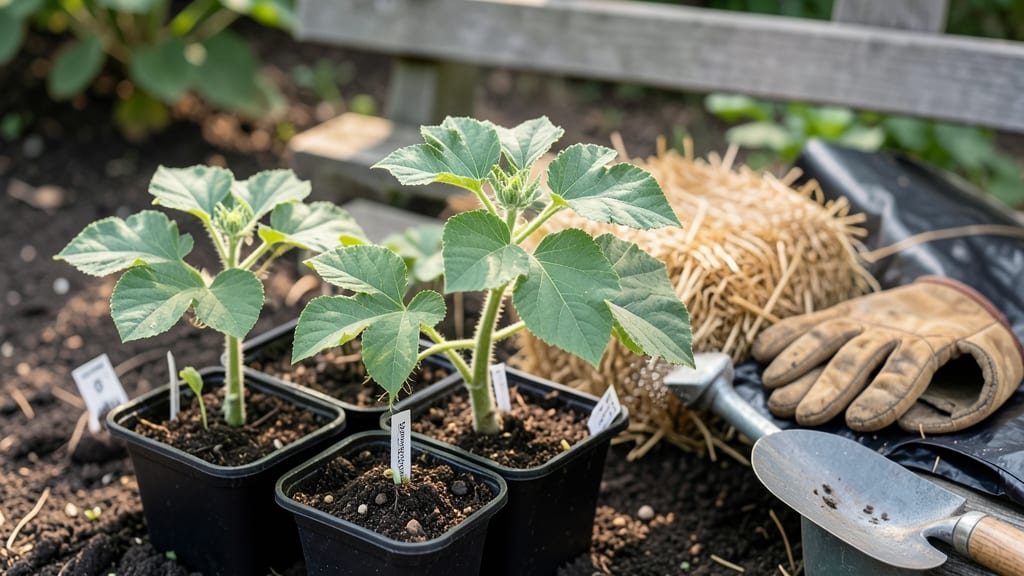
Planting cantaloupe in Arizona isn't just about throwing seeds into the dirt and hoping for the best—it's about mastering the perfect timing to beat the desert's extreme heat and unpredictable spring shifts.
With USDA Zone 9b growing conditions, you've got a narrow window between February and March to get those seeds in the ground before the mercury soars. Get it wrong, and you're staring at wilted vines or fruit that never ripens.
But nail it, and you'll be harvesting sweet, juicy 🍈 by late spring.
I've learned the hard way that cantaloupe thrives when soil temperatures hit at least 70°F—that's your green light to start planting. The key is understanding how Arizona's microclimates differ, from Phoenix's intense low desert heat to Tucson's slightly cooler high desert areas.
Let me show you exactly when to plant, how to protect your young plants from early heat stress, and which cantaloupe varieties actually perform well in our brutal summers. Your desert garden success starts with these timing secrets.
Arizona’s cantaloupe planting calendar: avoiding frost and extreme heat
Arizona’s desert climate creates a tricky balance for cantaloupe growers—scorching days and cool nights demand precise timing. Unlike frost-prone northern states, Arizona’s USDA Zone 9b offers extended growing seasons, but heat stress and soil temperature thresholds still dictate success.
Plant too early, and your vines wilt; too late, and you miss the 60-90 day harvest window before summer’s peak intensity.
The key to Arizona cantaloupe success lies in microclimate awareness. Phoenix’s low desert (Zone 10a) enjoys 300+ frost-free days, while Tucson’s mid-elevation (Zone 8a) faces cooler nights that delay planting.
Yuma’s Imperial Valley (Zone 11) pushes limits with year-round potential, but even here, soil temperatures must reach 70°F (21°C) before planting.
Here’s your region-specific planting roadmap, including last-frost dates, ideal soil temps, and heat tolerance thresholds to maximize sweet rewards:
| Region | Last Frost Date | Optimal Planting Window | Soil Temp Threshold (°F) | Heat Tolerance Note |
|---|---|---|---|---|
| Phoenix (Low Desert) | Dec 15 (rare) | Feb 15–Mar 15 | 70°F+ | Use shade cloth for early seedlings |
| Tucson (Mid-Elevation) | Jan 10 (rare) | Mar 1–Apr 1 | 75°F+ | Night temps below 50°F stall growth |
| Yuma (Imperial Valley) | None (Zone 11) | Jan 1–Feb 28 | 65°F+ | Year-round possible with irrigation |
| High Desert (Flagstaff) | May 1 (late) | Apr 15–May 15 | 60°F+ | Short season—choose fast varieties |
For spring planting, aim for late February to early April in most regions, but verify soil temperatures with a soil thermometer. Cantaloupes won’t germinate below 60°F (15°C), and seedlings wilt if nighttime temps drop below 50°F (10°C).
In Phoenix and Yuma, fall planting (August–September) is risky due to bolting from heat stress, but shade cloth can extend the window by 2–3 weeks.
Pro tip: Use black plastic mulch to raise soil temps 5–10°F faster, especially in cooler microclimates. This trick lets you plant 2–3 weeks earlier in Tucson’s foothills or Flagstaff’s high desert. Just remove the mulch once vines spread to prevent overheating.
Watch for heat stress signs like yellowing leaves or dropped blossoms—these mean your plants are struggling to set fruit. Drip irrigation in early morning keeps roots cool while avoiding fungal risks from evening moisture.
In Yuma’s extreme heat, shade cloth (30–50%) during peak afternoon sun (12–4 PM) can boost yields by 30%.
Remember: Arizona’s cantaloupe season is a short sprint, not a marathon. Plant too early, and heat stress ruins your crop; too late, and summer’s intensity makes growth impossible. Stick to the soil temp guidelines, monitor microclimate shifts, and you’ll enjoy homegrown melons from
How to extend Arizona’s cantaloupe growing season with smart techniques
Arizona’s intense desert heat can turn cantaloupe plants into crispy failures if you don’t protect them during critical growth stages. The key is creating a microclimate that shields young plants from early heat stress while preventing late-season bolting—when plants flower too soon.
I’ve learned through trial and error that combining shade cloth, mulching, and strategic watering can extend your harvest window by 3-4 weeks compared to traditional methods.
Your first line of defense is protecting seedlings from Arizona’s 100°F+ temperatures that arrive earlier than most gardeners expect. Even if you plant at the "perfect" time, a single heatwave can stunt growth or cause fruit to split.
The solution? Layered protection that starts at planting and evolves as your plants mature. Think of it like dressing in sun protection layers—lightweight at first, then adjusting as the sun intensifies.
- Start with shade cloth (30-50%)
Use 30% shade cloth over seedlings for the first 2-3 weeks, then switch to 50% cloth as temps rise above 95°F. Secure with stakes and clips to prevent wind damage.
- Mulch with straw or wood chips
Apply 3-4 inches of mulch to retain soil moisture and keep roots 5-10°F cooler. Avoid plastic mulch—it traps heat and can burn roots in Arizona’s climate.
- Drip irrigation on a timer
Run drip lines for 1-2 hours in the early morning (5-7 AM) to avoid fungal diseases from evening moisture. Keep soil consistently damp but not soggy—cantaloupes hate wet feet.
- Nighttime cooling hacks
On nights above 85°F, mist plants with water (using a sprayer bottle) or lay wet burlap sacks over them. This lowers air temperature by 5-8°F and prevents heat shock.
- Companion planting for shade
Plant corn or sunflowers nearby to provide natural shade as they grow. These companions also improve soil structure and attract pollinators like bees and hoverflies.
- Avoid over-fertilizing
Too much nitrogen causes leafy growth at the expense of fruit. Stick to a balanced 5-10-10 fertilizer and reduce feeding once flowers appear.
One of my biggest mistakes was skipping the shade cloth in early April, thinking the plants were "hardened off." Within 48 hours, the leaves turned yellow and crispy—a classic sign of heat stress.
Now, I treat shade cloth like sunscreen for plants: non-negotiable until the plants are established. Even in Phoenix’s low desert, where winters are mild, I’ve found that delaying full sun exposure until May gives cantaloupes a stronger start.
For drip irrigation, timing is everything. I used to water in the afternoon, but that led to powdery mildew on my vines. Switching to early morning eliminated the problem entirely.
Pro tip: Buried drip lines (1-2 inches deep) keep water right at the roots where it’s needed most, reducing waste and preventing soil crusting from overhead watering.
If you’re growing cantaloupes in Tucson’s high desert, where nights can drop below 50°F, consider row covers for an extra layer of protection. I’ve had success with floating row covers during unexpected cold snaps, which can delay planting by 2-3 weeks without risking frost damage.
Just remember to remove covers during the day to allow pollination—cantaloupes need those bees!
By combining these techniques, I’ve managed to harvest cantaloupes from late May through July—a full 6-week extension compared to unprotected plants. The secret? Monitor your plants daily and adjust protection as temperatures shift.
When you see the first signs of stress (like yellowing leaves or drooping vines), act fast. Your cantaloupes will thank you with sweeter, larger fruit and a longer harvest window. 🍈