
Plants
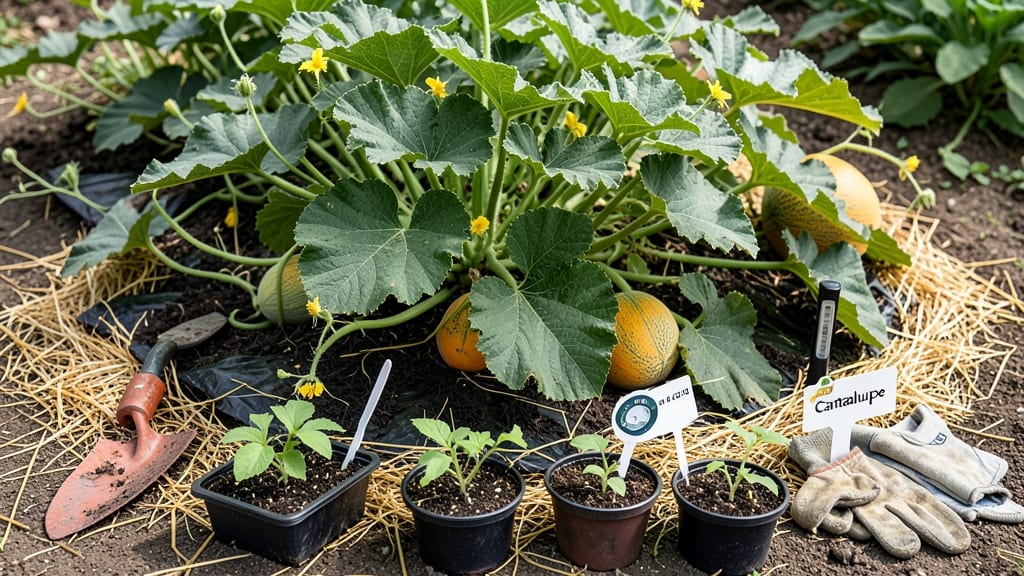
Planting cantaloupe in Missouri at the right time means the difference between sweet, juicy fruit and bitter disappointment. With the right timing, you can grow cantaloupes that burst with flavor in your 5b-6b zone—just don’t wait too long, or you’ll miss your window entirely.
Missouri’s climate gives you a narrow but perfect spring planting window—mid-April to early May—when soil temperatures finally hit that critical 70°F mark. This is when cantaloupe vines wake up from their winter nap and start racing toward those juicy harvests by July and August.
But here’s the catch: planting too early can leave your cantaloupes vulnerable to frost, while waiting too late might mean your vines struggle in the heat. I’ll break down the exact frost-free timeline for your zone and share pro tips to extend your season if needed.
Ready to grow cantaloupes that taste like summer? Let’s get your planting schedule locked in for a harvest you’ll actually enjoy.
Missouri frost-free dates by Zone: best planting windows for cantaloupe
Missouri’s 6 USDA zones (5a-6b) create distinct planting windows for cantaloupe, where soil temperature and last frost dates determine success. In Zone 5a, the shortest season means you’ll need to wait longer for warm soil, while Zone 6b gardeners can start earlier.
Understanding these nuances ensures your vines thrive and produce sweet, juicy fruit instead of bitter failures.
Cantaloupes are heat-loving annuals that won’t tolerate frost, making frost-free dates your best guide. For Missouri, these typically range from mid-April in southern zones to late April in northern areas.
But don’t rush—wait until soil reaches 70°F (21°C) at least 1 inch deep, a critical factor for germination and vine health.
Here’s how to align your planting with Missouri’s zones, whether you’re direct sowing seeds or transplanting seedlings. Each zone offers unique opportunities, and small adjustments can mean the difference between a bountiful harvest and a disappointing patch.
🌱 Key Takeaway: Cantaloupes need 90+ frost-free days to mature, so plan accordingly—especially in Zone 5a, where early starts are riskier.
In Zone 5a, where frost lingers until late April, direct sowing should wait until mid-May to avoid cold soil stunting seedlings. Transplanting hardened seedlings in early May gives vines a head start.
For Zone 5b, you can push direct sowing to late April, but always confirm soil warmth with a soil thermometer.
Gardeners in Zone 6a enjoy the longest growing season, allowing for earlier planting and even succession sowings in late May for a second harvest. Meanwhile, Zone 6b can start as early as late March for transplants, giving cantaloupes a full 100+ days to mature before frost risks return in October.
For direct sowing, scatter seeds 1 inch deep and 12 inches apart in hills, thinning to 2–3 plants per hill once vines emerge.
If transplanting, choose 3–4 week-old seedlings and harden them off for 5–7 days before setting them out. Black plastic mulch can warm soil faster, extending your planting window by 1–2 weeks in cooler zones.
Missouri’s humidity and heat can stress cantaloupe vines, so mulching and drip irrigation are essential. Aim for 1–2 inches of water weekly, focusing on the root zone to prevent fungal diseases like powdery mildew. In Zone 5a, consider row covers for early starts to protect young
How to extend your cantaloupe season in Missouri: tips for early and late planting
Missouri’s unpredictable spring and early autumn frosts can cut your cantaloupe season short—but with the right strategies, you can extend harvests by 4-6 weeks.
Whether you’re dealing with a late frost in May or an early chill in September, these season-extending techniques will help you grow sweeter, juicier fruit all summer long. The key is combining heat-loving varieties with protective tools like row covers and cold frames.
For gardeners in USDA zones 5b-6b, the standard planting window runs from mid-April to early May, but Missouri’s climate demands flexibility. If you’ve ever lost seedlings to a surprise frost or struggled with poor fruit set in hot, humid summers, you’re not alone.
The solution? Smart planting schedules and protective growing methods that shield young plants while maximizing sunlight exposure. Let’s dive into the best ways to push your cantaloupe season to its limits.
🌱 5 Proven Ways to Extend Your Cantaloupe Season
- 1. Use cold frames or mini tunnels to start seeds 4-6 weeks earlier than your last frost date. These create a microclimate 10-15°F warmer, accelerating seedling growth.
- 2. Deploy row covers (floating fabric) after transplanting to protect from late frosts while allowing sunlight and airflow. Remove when flowers appear to prevent heat stress.
- 3. Plant heat-tolerant varieties like 'Athena' or 'Hale’s Best', which thrive in 90°F+ temperatures and produce fruit even when other varieties struggle.
- 4. Try succession planting: Sow new seeds every 2 weeks from late May through early July for a continuous harvest until frost.
- 5. Use black plastic mulch to warm soil 2-3°F faster and retain moisture, giving seedlings a head start in cooler springs.
One of my favorite tricks is combining row covers with black plastic mulch. The mulch warms the soil quickly, while the row cover shields seedlings from unpredictable late frosts that Missouri is famous for.
I’ve seen cantaloupe seedlings survive 32°F nights this way—something I never thought possible! For late-season extensions, focus on shade cloth (30-50%) to protect fruit from late summer heat stress while still allowing pollination.
Missouri’s humidity can also be a challenge. To combat this, I recommend raising vines on trellises to improve airflow and reduce fungal diseases like powdery mildew. Choose disease-resistant varieties and avoid overhead watering—drip irrigation keeps leaves dry and prevents blossom-end rot.
If you’re planting in heavy clay soil, amend with compost or build raised beds to ensure well-draining conditions that cantaloupes crave.
For those in northern Missouri (zones 5a-5b), prioritize early-maturing varieties like 'Minnesota Midget' (ready in 60-65 days) to beat the first frost. In southern Missouri (zones 6a-6b), you can push the season later by using low tunnels with removable sides to trap heat while allowing pollinators access.
Just remember: cantaloupes need full sun and warm soil—never rush planting by starting too early in cold soil.
Finally, keep an eye on pest pressure during extended seasons. Squash vine borers and cucumber beetles love cantaloupes, so use row covers early in the season and switch to handpicking pests once flowers appear.
With these strategies, you’ll enjoy homegrown cantaloupes from June through September—or even longer with a little creativity! 🌱