
Plants
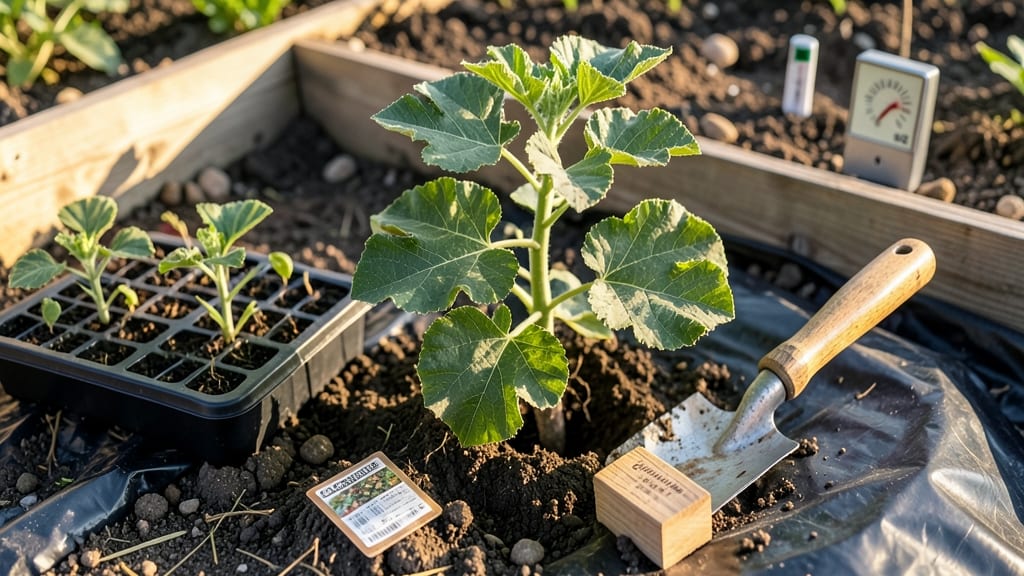
Planting cantaloupe in Florida isn’t just about avoiding frost—it’s about outsmarting the heat and pests before they ruin your harvest. With 300+ frost-free days and soil that can hit 90°F by May, timing your 🍈 cantaloupe just right means the difference between a thriving vine and a wilted disappointment.
Most gardeners in USDA zones 9a-11 swear by March-April for spring plantings, but North Florida’s cooler pockets near Gainesville might need to wait until early May. The key? Soil temperature—wait until it’s a steady 70°F or warmer, or your seeds will languish.
Skip the summer rush (June-August), when bolting and beetle attacks turn vines into a lost cause.
Here’s the game-changer: Florida’s fall window (September-October) often yields sweeter fruit with fewer pests, but hurry—hurricanes can delay planting. I’ll break down the exact heat-zone deadlines, soil tricks to beat bolting, and which cantaloupe varieties play nice with Florida’s climate.
Ready to turn your backyard into a 🍈 cantaloupe powerhouse? Let’s dive into the planting calendar that keeps Florida’s heat and pests in check.
Florida heat zones: the exact planting windows for cantaloupe success
Florida’s USDA heat zones 8-11 create unique challenges for cantaloupe growers. Unlike northern states, we don’t have to worry about frost—but we do face relentless summer heat that can bolt plants prematurely or attract pests like cucumber beetles.
The key? Planting when soil temperatures hit 70°F+ and aligning with Florida’s two main growing seasons.
North Florida (USDA zones 8a-9a) has slightly cooler winters, while South Florida (zones 10a-11) enjoys year-round warmth. This means planting windows shift by region—what’s perfect in Miami might be disastrous in Gainesville.
Let’s break down the exact months and soil triggers for each zone to maximize your cantaloupe yield.
🌱 PRO TIP: Use a soil thermometer ($10 at garden centers) to confirm 70°F+ soil temps before planting. Cantaloupe seeds won’t germinate below this threshold!
| USDA Heat Zone | Best Planting Window | Soil Temp Trigger | Key Risks to Avoid | Harvest Window |
|---|---|---|---|---|
| 8a-8b (North FL: Gainesville, Ocala) | Late March–April (spring) or September (fall) | 70°F+ (use black plastic mulch to warm soil faster) | Early frost (rare but possible) or heat stress if planted too late | June–July (spring) or November (fall) |
| 9a-9b (Central FL: Orlando, Tampa) | February–March (spring) or August–September (fall) | 70°F+ (soil warms faster in Central FL) | Cucumber beetles surge in summer; use row covers early | May–June (spring) or October–November (fall) |
| 10a-10b (South FL: Fort Myers, Naples) | January–February (spring) or July–August (fall) | 68°F+ (warmer year-round; can plant earlier) | Hurricane season (June–October); protect plants with stakes | April–May (spring) or September–October (fall) |
| 11 (South FL: Miami, Key West) | December–January (spring) or June–July (fall) | 65°F+ (tropical climate allows year-round growth) | Squash vine borers thrive in heat; rotate crops yearly | March–April (spring) or August–September (fall) |
🌡️ Note: Use a soil thermometer to confirm temps before planting—especially in transition zones like Orlando or Tampa.
Timing isn’t just about months—it’s about soil conditions. In North Florida (zones 8a-9a), wait until mid-April to avoid late frost risks, even though the air feels warm. I’ve seen cantaloupe seeds rot in 50°F soil, no matter how hot the sun is above!
For Central and South Florida, the real challenge is heat stress. Planting in late summer (August–September) gives vines time to establish before 100°F+ temperatures arrive. I recommend shade cloth (30%) for seedlings until they’re 4 inches tall—this buys you 2-3 critical weeks of slower heat buildup.
🌿 VARIETY MATTERS: Choose heat-tolerant varieties like ‘Athena’ or ‘Hale’s Best’ for Florida’s climate. These handle 90°F+ days better than standard cantaloupes and resist bolting (premature flowering).
One mistake I see often? Planting too late in spring and ending up with small, bitter fruit by summer. The ideal window is March–April for North Florida and February–March for Central/South. This gives vines 80–90 days to mature before peak heat sets in.
In fall plantings, aim for September in North Florida and August in South Florida. This lets cantaloupes avoid hurricane season (June–October) while still benefiting from longer daylight hours in autumn. I’ve harvested sweeter, larger fruit from fall plantings because pests are less active and humidity drops.
Florida’s cantaloupe plants are tough, but they’re not invincible. I’ve seen 🍈 cantaloupe vines collapse from heat stress or bolt into flower too fast because of poor timing. The biggest mistake? Planting when the soil is still cool or ignoring Florida’s hurricane season risks. Even experienced gardeners in Orlando and Tampa fall into these traps every year. First, planting too early (before March 15) risks seed rot in cooler pockets like North Florida. Second, planting too late (after May 1) means battling 90°F+ soil that causes bolting—where plants flower and fruit too fast, producing bitter melons. Third, skipping soil prep leads to poor drainage, inviting fungal diseases like powdery mildew. Here’s the kicker: Florida’s hurricane season (June-November) adds another layer of risk. A late-September planting might get delayed by storm debris or flooding, throwing off your harvest timeline. I’ve lost entire plantings because I didn’t account for this—don’t make the same mistake. If you’re planting cantaloupe in September-October, have a backup plan. Hurricanes can delay planting by 2-4 weeks, pushing your harvest into December when nights get chilly. Use row covers or cold frames to extend the season if storms strike. Pro tip: Plant compact varieties like 'Athena' or 'Hale’s Best'—they recover faster from storm damage than sprawling vines. Another critical mistake is overcrowding seedlings. Cantaloupe vines need 3-4 feet of space to sprawl, but I’ve seen gardeners squeeze them into tight rows, leading to stunted growth and fruit rot. Use trellises or raised beds to save space while improving airflow—this cuts down on pest pressure from cucumber beetles and squash bugs. Finally, ignoring soil pH is a silent killer. Cantaloupe thrives in 6.0-6.8 pH, but Florida’s sandy soils often test acidic (below 6.0). Amend with lime or wood ash before planting. I test my soil every year—it’s the difference between 50 lbs of fruit and 5 lbs of disappointment. Fix these mistakes, and you’ll go from frustrated gardener to cantaloupe champion. Start with the right timing, prep your soil, and give those vines room to stretch. Your taste buds will thank you when you bite into a sweet, ripe Florida cantaloupe—no bitterness in sight! 🌱Avoid these 3 critical mistakes that ruin cantaloupe harvests in Florida
⚠️ Hurricane Season Planting Warning