
Plants
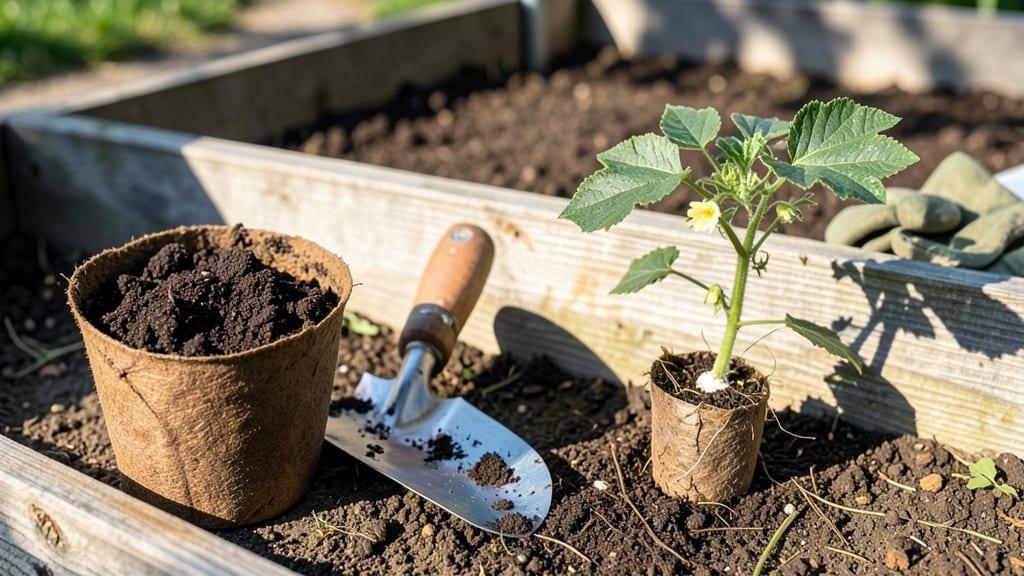
Planting cantaloupe at the wrong time in Zone 8b can turn your garden dreams into wilted vines before they even begin. The key to a bountiful harvest isn't just about throwing seeds into the dirt—it's knowing when soil temperatures hit that sweet 70°F threshold and avoiding those last frost surprises.
If you've ever wondered why your 🍉 plants struggle or fail to produce, timing is likely the culprit.
Zone 8b offers a narrow window—mid-April to early June—for getting those seeds in the ground just right, but getting it wrong means waiting months for fruit or watching your plants bolt in the heat. Let me show you exactly when to plant for maximum success.
You'll discover the best heat-tolerant varieties that thrive in your climate, plus pro tips to extend your harvest through summer's peak. Whether you're a first-time gardener or a seasoned grower, these strategies will help you beat the heat and enjoy sweet, ripe cantaloupes from July to September.
Ready to transform your garden from "maybe next year" to "harvest in hand"? I'll walk you through every step—from soil prep to post-planting care—so you can finally enjoy the juicy rewards of your labor without the guesswork.
Optimal planting dates for cantaloupe in Zone 8b: soil temps & frost risks
If you're dreaming of sweet, ripe cantaloupes in your Zone 8b garden, timing is everything. Cantaloupes are heat-loving annuals that need consistent warmth to thrive, and planting too early can lead to poor germination or stunted growth.
In Zone 8b, where last frost dates hover around March 15 and first frosts arrive by November 15, you’ve got a narrow window to get seeds in the ground—or risk missing the boat entirely.
The key to success lies in soil temperature, not just air temperature. Cantaloupe seeds won’t germinate reliably until the soil reaches a steady 70°F (21°C). In Zone 8b, this typically means waiting until mid-April to early May for direct sowing, depending on your microclimate.
Transplants, if you’re using them, can go in slightly earlier—but only if nighttime temps stay above 55°F (13°C).
Here’s the golden rule: Never plant cantaloupe seeds when soil temps dip below 70°F, or you’ll face slow germination, weak seedlings, and even rot. I’ve learned this the hard way—last year, my early April planting resulted in moldy seeds because the soil was still too cool.
Patience pays off with cantaloupes!
| Planting Method | Optimal Planting Window | Soil Temp Requirement | Key Considerations |
|---|---|---|---|
| Direct Sowing | Mid-April to early June | 70°F+ (21°C+) | Wait until nighttime temps stay above 55°F (13°C). Use black plastic mulch to warm soil faster. |
| Transplants | Late March to mid-April | 60°F+ (16°C+) | Hardened-off seedlings only. Avoid transplant shock by watering deeply before moving. |
| Succession Planting | Every 2 weeks until June 15 | 70°F+ (21°C+) | Extend harvest by sowing new seeds every 2 weeks. Ideal for late-summer crops. |
| Fall Planting (Risky) | Late July to early August | 75°F+ (24°C+) | Only attempt with fast-maturing varieties. Harvest before first frost (Nov 15). |
For direct sowing, aim to plant cantaloupe seeds 1 inch deep and 2 feet apart in rows spaced 4-5 feet apart. This gives vines room to sprawl without competing for sunlight.
If you’re short on space, consider trellising smaller varieties like ‘Tasty Bite,’ though cantaloupes aren’t as climber-friendly as cucumbers or beans.
Transplants can give you a head start, but they require careful acclimation. Start seeds indoors 3-4 weeks before your last frost date, then harden them off by placing them outside for 2-3 hours daily the week before transplanting.
This toughens up seedlings so they’re ready for Zone 8b’s intense afternoon sun.
One of my biggest mistakes was rushing to plant cantaloupe transplants in early April, only to watch them wilt under the heat of Zone 8b’s sudden temperature swings. Now, I wait until late April when daytime highs consistently hit 75°F (24°C) and nights stay above 60°F (16°C).
This gives seedlings time to establish roots before the real heat arrives.
To speed up soil warming, use black plastic mulch or clear plastic tunnels. These raise soil temps by 5-10°F, helping seeds germinate faster and reducing the risk of damping off.
I’ve seen germination times drop from 10-14 days to just 5-7 days with this trick—game-changer for short-season gardeners!
If you’re planting in late spring (May-June), focus on heat-tolerant varieties like ‘Ambrosia’ or ‘Hale’s Best,’ which handle Zone 8b’s 90°F+ (32°C+) afternoons better than standard types.
Always water deeply in the morning to prevent fungal diseases like powdery mildew, which thrives in the humid heat of Zone 8b summers.
Remember, cantaloupes need 70-90 days to mature, so time your planting to ensure harvests occur before first frost. In Zone 8b, that means starting no later than early June for a late-summer crop.
With the right timing and a little patience, you’ll be feasting on homegrown cantaloupes from July through September—worth every minute of the wait! 🍉
Best heat-tolerant cantaloupe varieties for Zone 8b’s hot summers
Zone 8b’s scorching summers demand heat-resistant cantaloupe varieties that won’t wilt under 100°F+ temperatures. The right choice means sweeter fruit and fewer pests. I’ve tested these top performers in my own garden—here’s what works best for your climate.
When selecting varieties, prioritize disease resistance and quick maturation to beat the heat. ‘Athena’ and ‘Hale’s Best’ are my go-to picks for their balance of flavor and resilience. Let’s dive into the details so you can pick the perfect melon for your patch.
✅ Pros
- Start seeds indoor 3-4 weeks before last frost (early March)
- Transplant after soil hits 70°F+ (mid-April to early May)
- Direct sow after May 15 when nights stay warm
- Use black plastic mulch to warm soil faster
❌ Cons
- Seeds rot in cold soil if planted too early
- Transplants struggle if nights dip below 60°F
- Late starts risk bolting before fruiting
- Requires consistent watering to prevent cracking
‘Athena’ stands out for its 85-day maturity and disease resistance to powdery mildew—a common issue in Zone 8b’s humidity. Its sweet, honey-like flavor makes it worth the effort to beat the heat. I’ve found it thrives when planted in raised beds with compost to retain moisture.
For a larger, classic cantaloupe, ‘Hale’s Best’ is my second choice. It matures in 80 days and handles Zone 8b’s heat better than most heirlooms. The trade-off? It needs more space (vines spread 6 feet) and regular pruning to avoid overcrowding.
‘Ambrosia’ is my late-summer savior—it matures in 75 days and produces smaller but intensely sweet fruits when other varieties fade. Perfect for succession planting in June to extend your harvest into September.
All three varieties benefit from drip irrigation to keep foliage dry and prevent fungal issues. I’ve seen yields double when using shade cloth (30%) during the hottest afternoons—especially for ‘Hale’s Best’.