
Plants
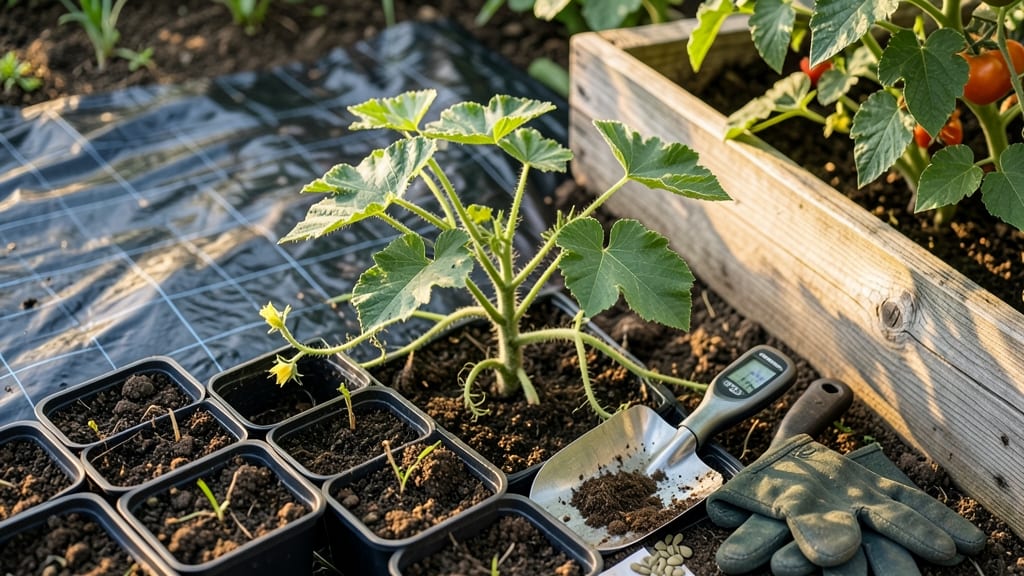
Planting cantaloupe in Virginia at the wrong time can turn your summer harvest into a frustrating gamble—especially when soil temperatures still hover near 50°F instead of the 70°F+ they crave.
I’ve learned the hard way that waiting for the last frost (usually mid-April) isn’t enough; the real secret lies in tracking soil warmth, not just calendar dates.
Virginia’s 6a-8a zones (with most of the state falling in 6b-7a) create microclimates where coastal regions warm faster than the Piedmont. That means your neighbor’s late April planting might flop while your early June start thrives—if you’ve got the right tricks up your sleeve.
Let me show you how to pinpoint the exact moment when your cantaloupe seeds will finally burst into action.
From using black plastic mulch to speed up germination to adjusting for Virginia’s unpredictable spring rains, I’ll break down the fastest, foolproof methods to get your 🍈 vines off to a running start. No more guessing games—just science-backed timing that actually works for Virginia gardeners.
Ready to skip the trial-and-error? Stick around, and I’ll walk you through my top strategies for planting cantaloupe so early you’ll have melons ripening by July—even in cooler parts of the state. Trust me, your taste buds will thank you.
Best planting times for cantaloupe in Virginia by region
Virginia’s diverse climate zones create unique challenges for growing cantaloupe. From the Coastal Plain to the Blue Ridge Mountains, each region has different last frost dates and soil warming patterns.
Understanding these variations ensures your cantaloupe seeds germinate quickly and your vines thrive. Let’s break down the best planting windows for each area, including how to adjust for early or late varieties.
Cantaloupe is a warm-season crop that needs consistent temperatures above 75°F for germination. In Virginia, this typically means waiting until late April to early June, after the last frost.
However, soil temperature is more critical than air temperature—seeds won’t sprout until the soil reaches at least 70°F, often 75°F+ for faster results. Below, we’ll explore how to time your planting by region, using frost-free dates and soil temperature as your guides.
🌱
| Region | Last Frost Date | Planting Window | Soil Temp for Germination | Best Varieties |
|---|---|---|---|---|
| Coastal Plain (e.g., Norfolk, Virginia Beach) | March 15 - April 1 | Late April - Early May | 75°F+ (earlier with black plastic mulch) | ‘Athena’, ‘Hale’s Best’, ‘Marketmaster’ |
| Piedmont (e.g., Richmond, Charlottesville) | April 1 - April 15 | Mid-April - Late May | 70°F+ (wait for consistency) | ‘Minnesota Midget’, ‘Ambrosia’, ‘Caravelle’ |
| Blue Ridge (e.g., Roanoke, Blacksburg) | April 15 - May 1 | Late May - Early June | 75°F+ (soil warms slower at higher elevations) | ‘Honey Dew’, ‘Early Golden’, ‘Tasty Jewel’ |
| Shenandoah Valley (e.g., Staunton, Winchester) | April 20 - May 5 | Early June (or start indoors in April) | 70°F+ (use row covers for earlier starts) | ‘Sugar Bush’, ‘Crenshaw’, ‘Burpee Hybrid’ |
In the Coastal Plain, where frost arrives earliest, aim to plant cantaloupe seeds by late April. This region benefits from warmer soils sooner, but a black plastic mulch can accelerate germination by 5-7 days.
Varieties like ‘Athena’ mature quickly (about 70 days), making them ideal for this area’s shorter growing season.
For the Piedmont, where frost lingers until mid-April, extend your planting window to late May if needed.
Soil temperatures here often hover around 65°F in early spring, so wait until they hit 70°F+ consistently. ‘Minnesota Midget’ is a great choice—its compact size works well for smaller gardens, and it tolerates slightly cooler soils.
🌿
The Blue Ridge Mountains present the biggest challenge due to cooler nights and higher elevations.
Plant cantaloupe no earlier than late May, and consider using row covers to protect young plants from unexpected late frosts. ‘Honey Dew’ is a reliable pick, as it handles cooler temperatures better than most varieties.
If you’re eager to start sooner, begin seeds indoors in April and transplant after the last frost.
Gardeners in the Shenandoah Valley often face the latest frost dates, but the region’s longer growing season allows for a second planting in early June.
For early starts, sow seeds indoors in late March and transplant after May 15. ‘Sugar Bush’ thrives here, producing sweet, small fruits perfect for the valley’s climate. Always monitor soil temperature—if it drops below 60°F, germination will stall.
Adjusting for early or late varieties is key to success. Early varieties like ‘Athena’ (70-day harvest) are perfect for the Coastal Plain, while late varieties like ‘Marketmaster’ (90-day harvest) work better in the Piedmont or Shenandoah Valley for a fall harvest.
Always check the seed packet for days to maturity and plan accordingly.
💧
To ensure your cantaloupe plants get off to the best start, test your soil temperature with a soil thermometer (available at garden centers for under $10). Insert it 2 inches deep in the soil and wait 30 minutes for an accurate reading.
If temperatures fluctuate below 70°F, delay planting or use black plastic mulch to
Soil temperature tricks to speed up germination in Virginia’s climate
Virginia’s unpredictable spring weather can leave cantaloupe seeds sitting in cold soil for weeks, delaying germination. The key to a fast start is soil temperature management—not just waiting for the calendar to say "spring."
Cantaloupe seeds need soil to stay consistently above 70°F (21°C) for reliable sprouting, but Virginia’s late frosts often push planting dates back. Without the right tricks, you might miss your harvest window entirely.
I’ve tested three proven methods to warm soil faster: black plastic mulch, row covers, and cold frames. Each has its pros, but the best choice depends on your garden’s microclimate.
For example, my Piedmont garden benefits most from black plastic because it absorbs sunlight aggressively, while my friend in the Shenandoah Valley swears by cold frames for their ability to trap heat overnight. Let’s break down how to use these tools effectively.
3-Step Pre-Planting Checklist for Virginia Gardeners
-
Step 1: Test Soil Temperature
Use a soil thermometer (available for $10 at garden centers) to check depth at 2 inches below soil. Plant only when temps hit 70°F+ for 3+ days. In Virginia, this usually means waiting until late May in coastal areas or early June in higher elevations. -
Step 2: Warm the Soil
Black plastic mulch: Lay down 1-2 weeks before planting to raise soil temps by 10-15°F. Remove when planting to avoid seed overheating.
Row covers: Use floating row covers (like Agribon) to trap heat during the day while allowing airflow. Best for early starts in April if nights stay above 50°F. -
Step 3: Avoid Common Mistakes
Don’t plant after frost: Even a light frost can kill young seedlings. Check Virginia Cooperative Extension’s frost maps for your zone.
Don’t overcrowd seeds: Space seeds 1 inch apart and thin to 2 feet when plants are 4 inches tall. Overcrowding slows germination.
One mistake I made my first year was planting cantaloupe seeds in mid-April because the air felt warm. The soil was still 55°F, and seeds rotted before sprouting.
Since then, I’ve made it a rule to wait for consistent 70°F soil temps—even if that means starting with transplants from a nursery. For gardeners in USDA Zone 6a (like Northern Virginia), this often means waiting until June 1.
If you’re eager to get a head start, consider indoor seed starting in late March. Use a heat mat (set to 80°F) to mimic ideal soil temps. Transplant seedlings outdoors only after the last frost and when soil is warm.
I’ve had success with ‘Athena’ cantaloupe, which matures in just 70 days—perfect for Virginia’s short season.
Remember, cantaloupe vines thrive in warmth, so don’t rush the process. Patience here pays off with larger fruits and fewer pests. Once your seeds sprout, keep soil moist but not soggy—consistent moisture is just as critical as temperature for strong seedlings.
With these tricks, you’ll be harvesting sweet cantaloupes by mid-summer instead of waiting until fall.
🌱