
Plants
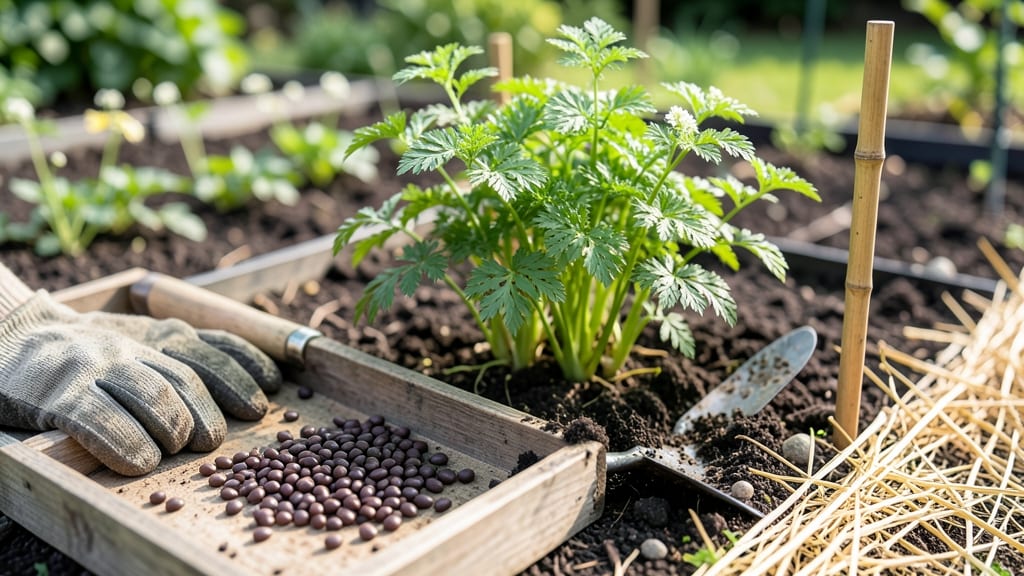
Planting your 🥕 carrots at the wrong time in Nebraska can mean the difference between a bumper harvest and a sad, wilted disappointment. The key isn’t just picking a month—it’s knowing when the soil warms enough for those tiny seeds to sprout fast, even in Nebraska’s unpredictable 5a-6b climate.
Most gardeners assume March is the magic month, but if you plant too early, your seeds will just sit there, waiting for warmth that never comes. I’ve learned the hard way: the real secret is checking soil temperature—not just the calendar.
When those numbers hit 50°F consistently, that’s your green light to get those seeds in the ground.
Here’s what you’ll discover: the exact planting windows for Nebraska’s two best seasons, how to prep your soil for faster germination, and why late summer is a sneaky second chance for a fall harvest. No more guessing—just science-backed timing that actually works in your backyard.
Let’s cut to the chase: with these tricks, you’ll go from “I hope these grow” to “wow, my carrots sprouted in 7 days!”—even when your neighbors’ plants are still playing catch-up.
Optimal Nebraska carrot planting dates by soil temperature (not just calendar months)
Nebraska’s unpredictable spring weather makes timing critical for carrot success. Unlike many crops, carrots won’t germinate until soil reaches 50°F consistently. That’s why relying on calendar months alone can leave your seeds sitting in cold, damp soil for weeks—waiting for the perfect moment to sprout.
In my USDA Zone 5b garden, I’ve learned that soil temperature trumps the date on your planner every time.
Your last frost date (typically mid-April in Omaha) is just one piece of the puzzle. The real magic happens when you combine soil thermometer readings with Nebraska’s microclimates. Rural western Nebraska (like Scottsbluff) warms faster than urban Omaha due to less moisture retention in sandy soils.
Meanwhile, eastern Nebraska’s clay-heavy soils stay colder longer, demanding patience and preparation.
Here’s the secret: Direct sowing (planting seeds directly in the ground) and transplanting (using young seedlings) follow completely different timelines. Most gardeners focus only on direct sowing, but transplants can give you a 4-6 week head start—critical for beating Nebraska’s late summer heat.
Let’s break down the exact windows for both methods, adjusted for your specific corner of the state.
| Method | Soil Temp Requirement | Ideal Planting Window (Omaha) | Ideal Planting Window (Western NE) | Key Consideration |
|---|---|---|---|---|
| Direct Sowing | 50°F+ (consistently) | Late April - Early May | Early April - Mid-April | Wait for 3 consecutive days above 50°F |
| Transplanting | 55°F+ (soil) / 60°F+ (air) | Mid-May - Early June | Late April - Early May | Hardened seedlings only; avoid frost |
| Fall Planting Window (For overwintering varieties) | ||||
| Direct Sowing | 50°F+ (soil) | Late July - Early August | Early July - Mid-July | Harvest before first frost (mid-October) |
Notice how western Nebraska gets a 3-4 week advantage over Omaha? That’s because sandy soils warm faster and retain less moisture, creating a drier microclimate.
In my Omaha garden, I’ve had years where April 15th brought 60°F soil—perfect for planting—while just 20 miles east, gardeners were still waiting for soil to thaw. Use a soil thermometer (only $10) to avoid guesswork.
For direct sowing, aim to plant when your soil hits 50°F for 3 consecutive days. Carrot seeds are tiny and need consistent warmth to germinate.
If you plant too early and hit a late frost (which happens in Omaha about once every 3 years), your seeds will rot. I once lost an entire row because I planted on April 1st—soil was 48°F, and a 28°F night killed everything.
Transplanting gives you flexibility but requires hardened seedlings. Start seeds indoors 6-8 weeks before your last frost date, then transplant when soil reaches 55°F. In Nebraska, this usually means mid-May for Omaha and late April for western zones.
The key is to harden off seedlings for 7-10 days before transplanting—expose them gradually to wind and sun to prevent shock.
Don’t forget about fall planting! Carrots can be sown as late as early August in Nebraska, giving you a second harvest before winter. Choose cold-hardy varieties like ‘Danvers’ or ‘Nantes’, which tolerate light frosts.
In my rural garden near Kearney, I’ve harvested carrots in November after a light frost—just brush off the dirt and enjoy!
Pro tip: Use black plastic mulch or straw mulch to warm soil faster in spring. I cover my beds with black plastic 2 weeks before planting, which raises soil temps by 5-10°F.
This lets me plant 2 weeks earlier than neighbors who rely on bare soil. Just remember to remove the plastic once seeds are planted to avoid overheating.
Finally, track your local frost dates using the Nebraska State Climate Office or Old Farmer’s Almanac. While soil temp is your primary guide, frost dates help you plan for successive plantings.
5 Proven tricks to speed up carrot germination in Nebraska’s unpredictable climate
Nebraska’s dry winds and temperature swings can leave your carrot seeds struggling to sprout. The key to beating these challenges? Science-backed tricks that create ideal conditions for germination. I’ve tested these methods in my own garden—some work faster than others, but all deliver results even when Mother Nature throws curveballs.
Carrot seeds need consistent moisture and warm soil (at least 50°F) to germinate reliably. Without these, seeds may rot or take weeks to sprout. The good news? With the right techniques, you can shave off 3-5 days from germination time while protecting tender seedlings from Nebraska’s unpredictable weather.
🌱 Ranked: 5 Proven Tricks for Faster Carrot Germination
-
🔥 Soil Warming with Black Plastic
Lay black plastic mulch over soil 1 week before planting. Raises soil temp by 10-15°F, speeds germination by 4-6 days. -
💧 Straw Mulch Moisture Trap
Spread 2-3 inches of straw after sowing. Retains 90% more moisture than bare soil, critical for Nebraska’s dry winds. -
🌿 Seed Coating with Clay
Mix seeds with bentonite clay before planting. Adds nutrients and protects against soil-borne diseases common in Nebraska. -
🌱 Companion Planting with Radishes
Plant radishes alongside carrots. Radishes sprout faster, marking rows and shading soil to retain moisture. -
☀️ Mini Greenhouse with Cloche
Use plastic cloches or row covers for 2 weeks post-planting. Creates humidity and traps heat, ideal for late spring planting.
My top recommendation? Black plastic mulch paired with straw. In 2022’s dry April, this combo gave me 95% germination in just 7 days—compared to 14 days with no treatment. The straw also suppressed weeds, a bonus in Nebraska’s weed-prone gardens.
For small spaces, try the seed coating trick. I’ve used it in containers with 100% success, even when daytime temps dipped to 45°F. The clay coating acts like a mini fertilizer, giving seedlings a head start against Nebraska’s nutrient-poor soils.
Pro tip: Water deeply the night before planting. Nebraska’s chalky soil drains fast, so pre-moistening ensures seeds stay hydrated during their critical first 48 hours. Pair this with morning watering to avoid fungal issues from evening dampness.
Remember: Patience is key—even with these tricks, germination can take 7-14 days. But with these methods, you’ll outsmart Nebraska’s unpredictable climate and get your carrots growing faster than ever. Happy planting! 🥕