
Plants
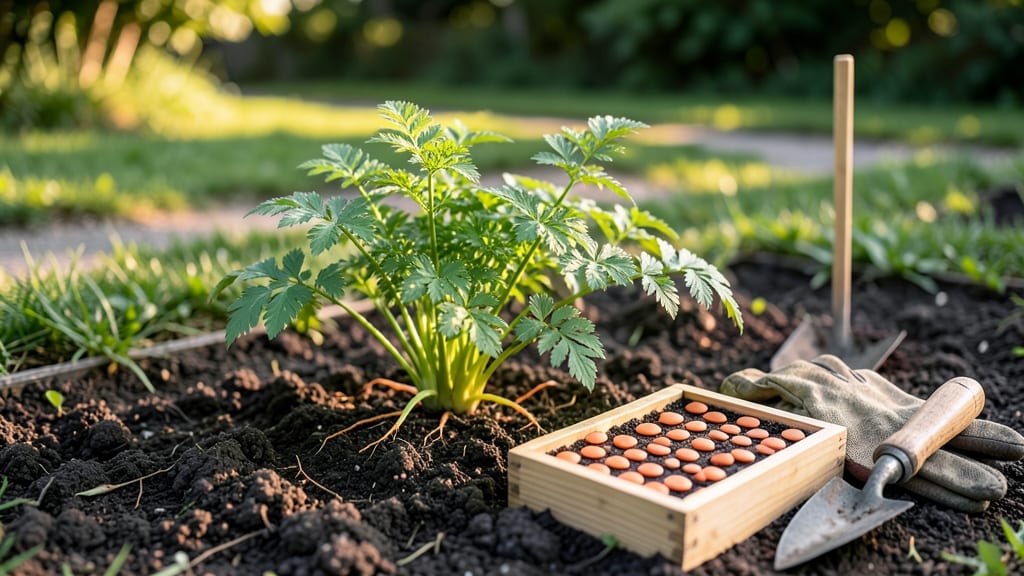
Planting carrots 🥕 at the wrong time in North Carolina can turn your garden dreams into a battle with tough soil, pests, or bolted greens before you even harvest.
The key to sweet, crisp roots lies in understanding your region’s frost dates and soil warmth—because those March-April windows aren’t just suggestions, they’re your golden ticket to success.
Whether you’re in the humid Coastal Plain or cooler Mountain regions, timing matters more than you think. Too early, and your seeds rot in cold soil; too late, and summer heat sends your carrots shooting up like weeds instead of growing down.
I’ve learned the hard way that 2–4 weeks before your last frost is your best bet for spring planting, but fall crops need a different strategy entirely.
In this guide, I’ll break down the exact months to plant for your North Carolina zone, plus soil prep tricks to avoid forking and pests that love to crash your harvest. No more guessing—just a foolproof plan to get those 6-inch roots popping up when (and where) they’re supposed to.
Ready to stop second-guessing and start sowing? Let’s dive into the perfect planting schedule for your garden’s location—because in NC, timing isn’t just important, it’s everything.
Best planting windows for carrots in North Carolina by season
North Carolina’s diverse climate—from the humid Coastal Plain to the cooler Mountains—means carrot planting windows vary by region. Soil temperatures below 50°F delay germination, while summer heat can cause bolting. Timing is everything for sweet, straight roots!
Spring is the ideal time to plant carrots in NC, but your exact window depends on whether you’re in the Piedmont, Coastal, or Mountain regions. Fall plantings also work well, provided you avoid late-season heat. Let’s break it down by microclimate.
Key rule: Carrots need consistent soil temps of at least 50°F to germinate. Use a soil thermometer to check—60°F+ speeds up sprouting. Frost dates also dictate your last chance for fall crops.
Here’s your region-specific planting guide, including frost-free windows and soil prep tips tailored to NC’s USDA Zones 7a-8b. Use this to plan your spring and fall crops for maximum success.
🌱
For spring plantings, aim to sow seeds 4-6 weeks before your region’s last frost date. In the Coastal Plain, that’s mid-February, while Mountain gardeners should wait until late March. Succession planting every 2 weeks ensures a continuous harvest.
Fall carrots thrive when planted 8-10 weeks before the first frost. In the Piedmont, that’s early August, but Coastal gardeners can extend to mid-September thanks to milder winters. Avoid planting after August 15 in hot inland areas—bolting risk skyrockets!
Pro tip: Use black plastic mulch in summer to keep soil cool and prevent bolting. In clay-heavy soils (common in Piedmont), mix in compost to improve drainage—forked carrots are a soil texture nightmare!
💧
If you’re in Zone 8b (Coastal Plain), you can even try a winter crop! Plant purple or yellow varieties in October for a holiday harvest. Just protect seedlings with row covers if temps dip below 40°F. Mountain gardeners, focus on early spring for best results.
Remember: Carrots hate competition. Thin seedlings to 2-3 inches apart when they’re 2 inches tall to prevent crowding and ensure straight roots. Shallow soil? Choose short varieties like ’Paris Market’—they’ll still grow well in 6-inch-deep beds.
🌿
How to adjust planting for North Carolina’s unique growing challenges
North Carolina’s clay-heavy soils and hot summer temperatures can turn carrot gardening into a challenge if you don’t adjust your approach. I’ve learned the hard way that planting too late in summer often leads to bolting or stunted roots—especially in the Piedmont region where heat lingers.
The key is adapting your timing and soil prep to match NC’s microclimates and seasonal extremes.
For spring plantings, focus on March-April when soil temps hit 50°F+. This gives carrots enough time to mature before summer’s intense heat triggers bolting. In the Coastal Plain, where humidity is higher, I recommend succession planting every 2-3 weeks to stretch your harvest.
Meanwhile, fall plantings should start by late July to avoid the August heatwave that can stress seedlings.
⚠️ Late-Summer Planting Mistake: Don’t Plant After August 15!
Planting carrots in late August or September risks bolting from long daylight hours and warm nights. I once tried this in Raleigh and ended up with bitter, woody roots instead of sweet harvests. Solution: Stick to July plantings for fall crops, or choose short-season varieties like ‘Early Nantes’ (55 days to maturity).
To combat clay soil, I always amend beds with compost and sand (50/50 mix) before planting. This prevents forked roots and improves drainage. For succession planting, I use shade cloth during peak summer to protect young seedlings from intense sun.
This trick has helped me extend harvests into late October even in the Mountain region.
Another pro tip: Mulch heavily with straw or wood chips to retain moisture and regulate soil temperature. In my Piedmont garden, this reduces watering needs by 40% during dry spells.
I also avoid over-fertilizing with nitrogen—too much leads to leafy tops but small roots. Instead, I use a balanced 5-10-10 fertilizer sparingly.
For pest control, I’ve found that interplanting carrots with leeks or rosemary deters carrot flies. This works especially well in Coastal NC, where pests are more aggressive.
Always rotate planting locations yearly to prevent soil-borne diseases from building up. In my experience, this simple step has doubled my carrot yield over the past 3 years.
Finally, pay attention to moisture levels. Carrots need consistent watering, but waterlogging causes rot. I water deeply in the morning and use drip irrigation to keep foliage dry. This method has given me straight, sweet roots even during NC’s humid summers.
With these adjustments, you’ll avoid the most common pitfalls and enjoy a longer, more reliable harvest.